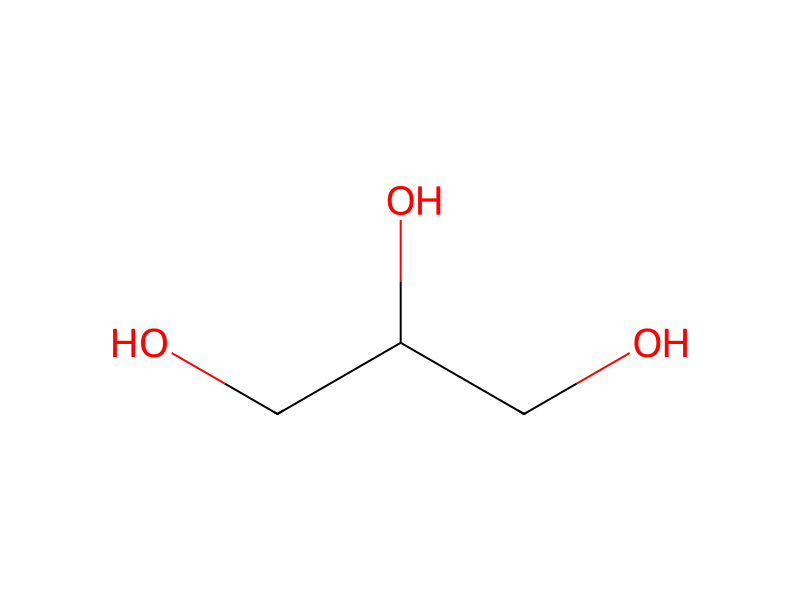
Cl.[Br:2][C:3]1[CH:4]=[C:5]([CH:7]=[C:8]([F:10])[CH:9]=1)[NH2:6].O[CH2:12][CH:13]([CH2:15]O)O.[N+]([C:20]1[CH:25]=CC=C[CH:21]=1)([O-])=O.S(=O)(=O)(O)O>O.O.O.O.O.O.O.S([O-])([O-])(=O)=O.[Fe+2]>[Br:2][C:3]1[CH:9]=[C:8]([F:10])[CH:7]=[C:5]2[C:4]=1[CH:12]=[CH:13][CH:15]=[N:6]2.[Br:2][C:3]1[CH:4]=[C:5]2[C:7]([CH:21]=[CH:20][CH:25]=[N:6]2)=[C:8]([F:10])[CH:9]=1To 3-bromo-5-fluoroaniline hydrochloride (2.9 g, 12.89 mmol) was added glycerol (1.9 mL, 25.99 mmol), nitrobenzene (1.3 mL), sulfuric acid (3.5 mL) and iron (II) sulfate heptahydrate (0.23 g, 0.82 mmol). The reaction mixture was placed in an oil bath set at 80° C. and stirred overnight followed by basification with 12N NaOH and extraction with dichloromethane. The organic phase was collected, dried (sodium sulfate), filtered and concentrated under reduced pressure. Purification by flash chromatography (silica, 50:50 ethyl acetate/hexane) gave 5-bromo-7-fluoroquinoline and 7-bromo-5-fluoroquinoline (1.03 g, 30%) Retention time (min)=1.877 and 1.967, method [4], MS(ESI) 227.9 (M+H).
Loading…