HomeMCPSkillsWorkbenchOpenChem
HomeWorkbenchNotificationsMe
llms.txt · skill.md · MCP GuidePrivacy Policy · Terms of Service · Supportv1.8.6
  1. Home
  2. /Reaction

Ethyl 1-propenyl ether → 7-Bromo-3-methylquinoline

HRID 1525859
Print

Reaction equation

[NH2:1][C:2]1[CH:9]=[C:8]([Br:10])[CH:7]=[CH:6][C:3]=1[CH:4]=O.S([O-])([O-])(=O)=O.[Na+].[Na+].O.[C:19]1(C)[CH:24]=CC(S(O)(=O)=O)=C[CH:20]=1.C(OC=CC)C>C(Cl)(Cl)Cl.O>[Br:10][C:8]1[CH:9]=[C:2]2[C:3]([CH:4]=[C:19]([CH3:24])[CH:20]=[N:1]2)=[CH:6][CH:7]=1
ParticipantsProcedureWorkupSources & evidenceReaction notes

Participants

7

Reactant 4

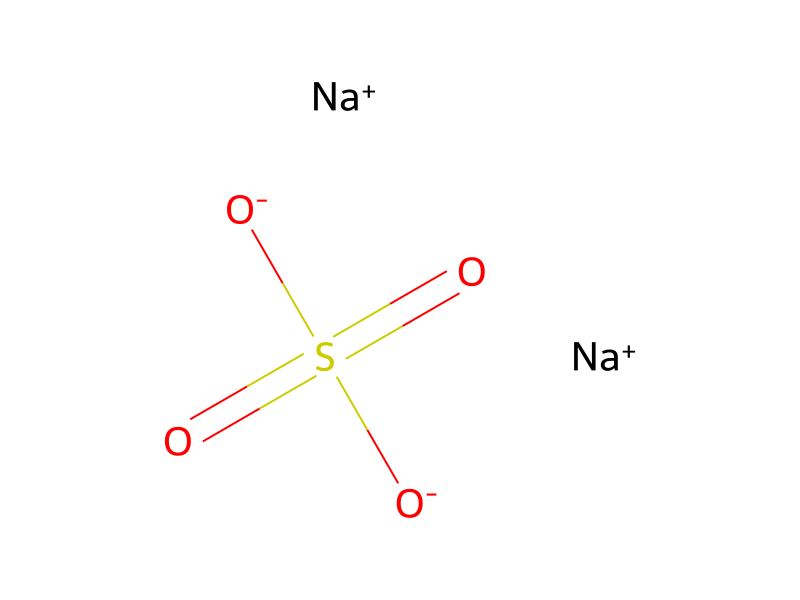
HCID 13570Ethyl 1-propenyl etherHCID 24436Sodium SulfateHCID 521998p-Toluenesulfonic acid monohydrateHCID 179145982-Amino-4-bromobenzaldehyde

Product 1

HCID 189422807-Bromo-3-methylquinolineYield 100.8%

Reagents, catalysts & solvents 2

HCID 962
Water
Solvent
HCID 6212ChloroformSolvent

Procedure

A 1 L round bottom flask fitted with a stirbar, a Dean-Stark trap for solvents heavier than water, and a condenser was charged with 2-amino-4-bromobenzaldehyde (20 g, 100 mmol), sodium sulfate (71.0 g, 500 mmol), and p-toluenesulfonic acid monohydrate (4.75 g, 25.00 mmol). The solids were taken up in anhydrous chloroform (498 mL) and the suspension treated with 1-ethoxyprop-1-ene (14.39 mL, 130 mmol). The mixture was then heated to reflux with stirring overnight. The reaction mixture was cooled to room temperature and transferred to a 2 L separatory funnel. The solution was extracted twice with 200 mL saturated aq sodium bicarbonate and once with 200 mL water. The organic layer was isolated and the aqueous layers were combined and re-extracted twice with an additional 100 mL dichloromethane. The organics were then pooled, dried over sodium sulfate, filtered, and concentrated to a residue. The residue was purified by flash chromatography (0.2-1.9% methanol:dichloromethane). Fractions containing the desired material were pooled and concentrated to afford the title compound as a bright orange solid (5.603 g, 25.2 mmol, 25% yield). MS(ES)+ m/e 221.8 [M+H]+.

Workup

  1. customA 1 L round bottom flask fitted with a stirbar
  2. temperatureThe mixture was then heated
  3. temperatureto reflux
  4. customtransferred to a 2 L separatory funnel
  5. extractionThe solution was extracted twice with 200 mL saturated aq sodium bicarbonate and once with 200 mL water
  6. customThe organic layer was isolated
  7. extractionre-extracted twice with an additional 100 mL dichloromethane
  8. dry with materialdried over sodium sulfate
  9. filtrationfiltered
  10. concentrationconcentrated to a residue
  11. customThe residue was purified by flash chromatography (0.2-1.9% methanol:dichloromethane)
  12. additionFractions containing the desired material
  13. concentrationconcentrated

Sources & evidence

ORD record
ord-aebd83dc79804ee2ad95a5c5e7219d99
Source dataset
uspto-grants-2015_07
DOI
10.6084/m9.figshare.5104873.v1
Patent number
US09084794B2

Reaction notes

On this pageParticipantsProcedureWorkupSources & evidenceReaction notes