Reaction equation

C(=O)([O-])[O-].[Na+].[Na+].OC1C=C(O)C=C(O)C=1.[C:16]([O:19][CH:20]=[CH2:21])(=O)[CH3:17].OC1C=C(OC=C)C=C(O)C=1.OC1[CH:39]=[C:38]([O:40][CH:41]=[CH2:42])[CH:37]=[C:36]([O:43][CH:44]=[CH2:45])C=1>C1(C)C=CC=CC=1>[CH:20]([O:19][C:16]1[CH:17]=[C:36]([O:43][CH:44]=[CH2:45])[CH:37]=[C:38]([O:40][CH:41]=[CH2:42])[CH:39]=1)=[CH2:21]Participants
7
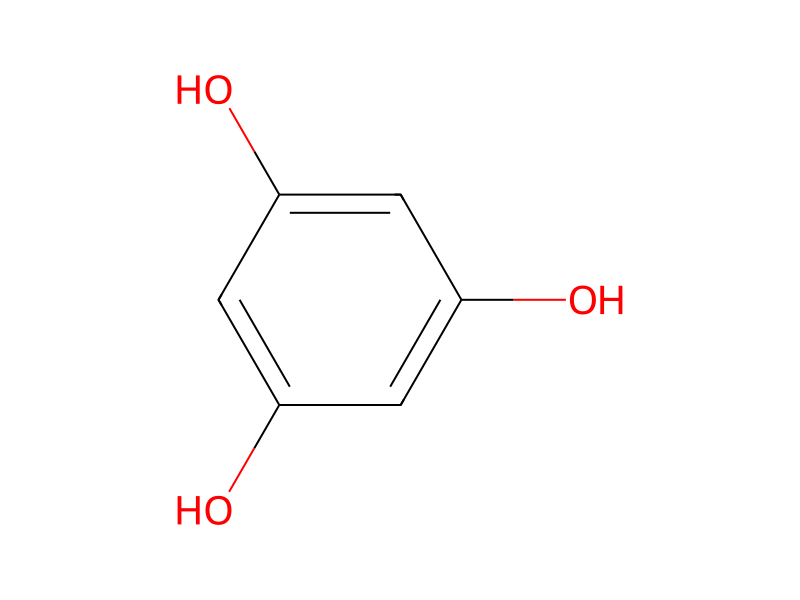





Conditions
- Temperature
- 100 °C
Procedure
To a mixture of di-μ-chlorobis(1,5-cyclooctadiene)diiridium(I) [Ir(cod)Cl]2 (67 mg, 0.1 mmol) and sodium carbonate (640 mg, 6 mmol) in toluene (5 ml) were added 1,3,5-trihydroxybenzene (5 mmol) and vinyl acetate (2.15 g, 25 mmol), followed by stirring at 100° C. in an atmosphere of argon gas for 6 hours. The reaction mixture was analyzed by gas chromatography to find that 1,3-dihydroxy-5-vinyloxybenzene, 1-hydroxy-3,5-bis(vinyloxy)benzene, and 1,3,5-tris(vinyloxy)benzene were formed in yields of 5%, 4%, and 18%, respectively, with a conversion from 1,3,5-trihydroxybenzene of 29%.
Sources & evidence
- ORD record
- ord-8ef2f81780604f299e5c56be6d35d965
- Source dataset
- uspto-grants-2010_06
- Patent number
- US07732645B2
Linked notes
Loading…