Methyl Acrylate → Heptanedioic acid, 4-(4-chlorophenyl)-4-cyano-, dimethyl ester
Reaction equation

[Cl:1][C:2]1[CH:7]=[CH:6][C:5]([CH2:8][C:9]#[N:10])=[CH:4][CH:3]=1.[C:11]([O:15][CH3:16])(=[O:14])[CH:12]=[CH2:13]>C(O)(C)(C)C>[CH3:16][O:15][C:11](=[O:14])[CH2:12][CH2:13][C:8]([C:9]#[N:10])([C:5]1[CH:6]=[CH:7][C:2]([Cl:1])=[CH:3][CH:4]=1)[CH2:13][CH2:12][C:11]([O:15][CH3:16])=[O:14]Participants
4
Reactant 2
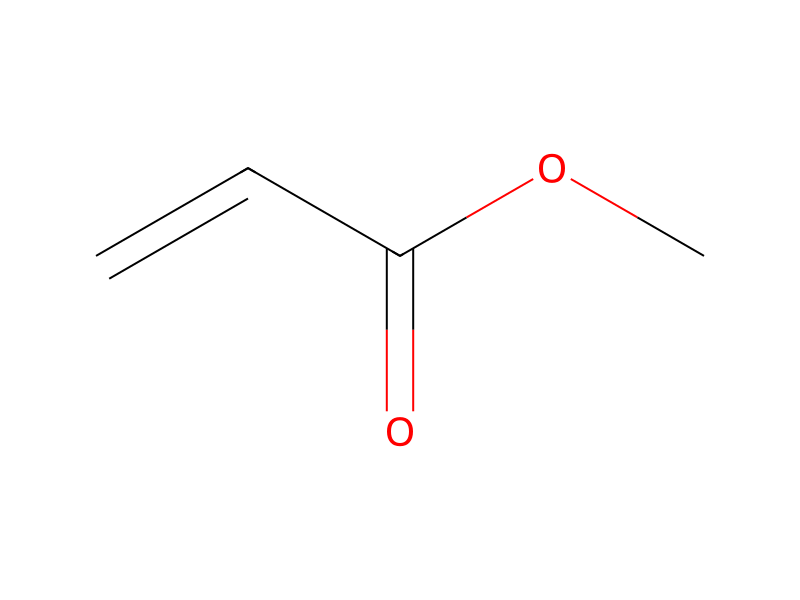

Product 1

Reagents, catalysts & solvents 1

Procedure
A mixture of 25 g. (0.165 mole) of the known compound (p-chlorophenyl)acetonitrile and 77 ml. of methyl acrylate in 80 ml. of t-butyl alcohol is heated to reflux. The heat is removed and 25 ml. of 40% methanolic Triton B in 37 ml. of t-butyl alcohol quickly added. After about 4 hours of heating at reflux the mixture is allowed to cool and taken up in water and benzene. The organic layer is washed successively with 2.5 N hydrochloric acid, water and brine and then evaporated to dryness. The residue is distilled under vacuum, first at 40 mm. of mercury to remove excess methyl acrylate and then at 0.35 mm. to give 38.06 g. (71.4% yield) of dimethyl-4-cyano-4-(4-chlorophenyl)pimelate, having a boiling point of 186° to 191°C. The nuclear magnetic resonance (NMR) spectrum of the compound confirms its expected structure.