HomeMCPWorkbenchSkills
HomeWorkbenchNotificationsMe
llms.txt · MCP GuidePrivacy Policy · Terms of Service · Supportv1.8.3
  1. Home
  2. /Reaction

Tetrabutylammonium → Methacrylic Acid

HRID 1588121
Print

Reaction equation

HRID 1588121 reaction equation
C[O:2][C:3]([O:7][Si](C)(C)C)=[C:4]([CH3:6])[CH3:5].C([N+](CCCC)(CCCC)CCCC)CCC.[C:29]([O:34][Si](C)(C)C)(=[O:33])[C:30]([CH3:32])=[CH2:31].[C:39]([O:44][CH2:45][CH2:46][C:47]1[CH:52]=[CH:51][CH:50]=[CH:49][CH:48]=1)(=[O:43])[C:40]([CH3:42])=[CH2:41].C(O)(=O)C(C)=C.[CH2:59]([O:61][CH:62]([OH:71])[CH2:63][O:64][CH2:65][CH2:66][O:67][CH2:68][CH2:69][OH:70])[CH3:60].[F-].C([N+](CCCC)(CCCC)CCCC)CCC>C1COCC1>[C:3]([OH:7])(=[O:2])[C:4]([CH3:6])=[CH2:5].[C:39]([O:44][CH2:45][CH2:46][C:47]1[CH:48]=[CH:49][CH:50]=[CH:51][CH:52]=1)(=[O:43])[C:40]([CH3:42])=[CH2:41].[C:29]([OH:34])(=[O:33])[C:30]([CH3:32])=[CH2:31].[CH3:60][CH2:59][O:61][CH:62]([OH:71])[CH2:63][O:64][CH2:65][CH2:66][O:67][CH2:68][CH2:69][OH:70]
ParticipantsProcedureWorkupSources & evidenceReaction notes

Participants

10

Reactant 6

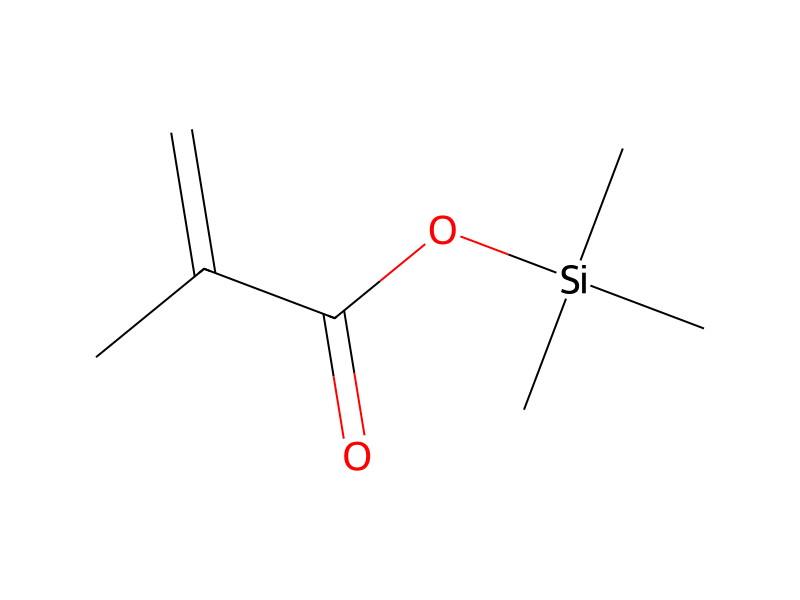
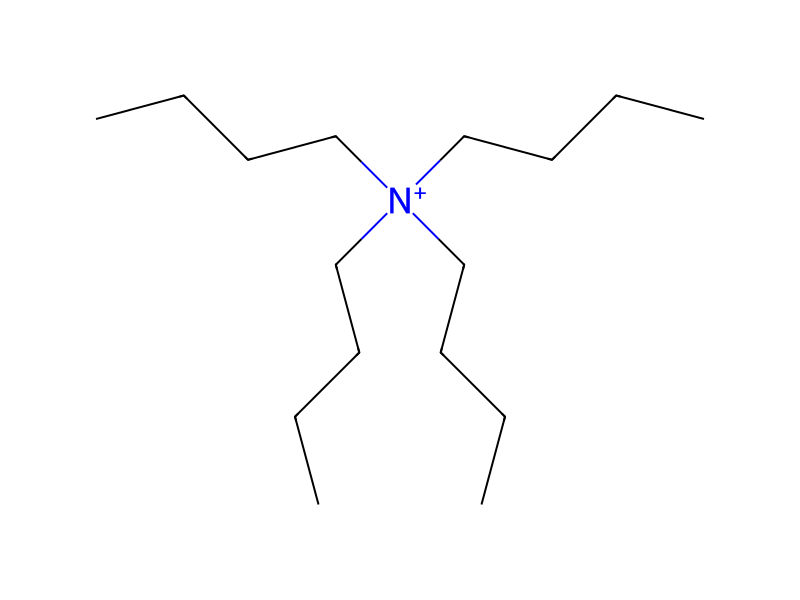
HCID 16028Tetrabutylammonium2×HCID 772602-Phenylethyl methacrylateHCID 552336Silane, ((1-methoxy-2-methyl-1-propenyl)oxy)trimethyl-HCID 2724141Tetrabutylammonium FluorideHCID 27338392-Propenoic acid, 2-methyl-, trimethylsilyl ester2×HCID 86746980
b-Ethoxytriethylene glycol methacrylate
2×

Product 3

HCID 4093Methacrylic AcidHCID 772602-Phenylethyl methacrylateHCID 86746980b-Ethoxytriethylene glycol methacrylate

Reagents, catalysts & solvents 1

HCID 8028TetrahydrofuranSolvent2×

Procedure

To a solution of 3.48 g (4.04 mL, 20 mmol) of 1-methoxy-1-trimethylsiloxy-2-methyl-1-propene and 0.2 mL of tetrabutylammonium biacetate hexahydrate (0.04 M in THF) in 30 mL of THF was added dropwise 15.9 g (18 mL, 100 mmol) of trimethylsilyl methacrylate. During the course of the addition the temperature of the reaction mixture rose slowly while four 0.2 mL portions of tetrabutylammonium biacetate hexahydrate (0.04 M in THF) were added. The temperature continued to rise to 44° C. after all of the monomer had been added. When the temperature began to fall, 50 mL of THF was added, and the addition of 38.1 g (37.7 mL, 200 mmol) of 2-phenylethyl methacrylate (purified by passage over a column of basic alumina under argon) was begun. When the addition was complete and the temperature began to fall, 24.6 g (24.6 mL, 100 mmol) of ethoxytriethylene glycol methacrylate (purified by passage over a column of basic alumina under argon) was added dropwise from an addition funnel. Analysis of an aliquot of the solution by 1H nmr showed that there was no residual monomer present. The solution of poly(trimethylsilyl methacrylate [25 mol %]-b-2-phenylethyl methacrylate [50 mol %]-b-ethoxytriethylene glycol methacrylate [25 mol%]) was refluxed for 12 hr with methanolic tetrabutylammonium fluoride. After evaporation in a rotary evaporator under reduced pressure, the residual polymer was dried for 48 hr in a vacuum oven at 80° C. to give 58 g of poly(methacrylic acid [25 mol %]-b 2-phenylethyl methacrylate [50 mol %]-b-ethoxytriethylene glycol methacrylate [25 mol %]). 1H NMR analysis of the product showed that no trimethylsilyl ester groups remained.

Workup

  1. additionDuring the course of the addition the temperature of the reaction mixture
  2. additionwere added
  3. customto rise to 44° C.
  4. additionhad been added
  5. custompurified by passage over a column of basic alumina under argon)
  6. additionWhen the addition
  7. additionwas added dropwise from an addition funnel
  8. customAfter evaporation
  9. customin a rotary evaporator under reduced pressure
  10. customthe residual polymer was dried for 48 hr in a vacuum oven at 80° C.

Sources & evidence

ORD record
ord-f835b0f8611a43628ffc02c9811a74fb
Source dataset
uspto-grants-1993_06
DOI
10.6084/m9.figshare.5104873.v1
Patent number
US05219945

Reaction notes

On this pageParticipantsProcedureWorkupSources & evidenceReaction notes