1-(beta-D-ribofuranosyl)-5-(thiocarbamoyl)amino-1H-imidazole-4-carboxamide → Guanosine
Reaction equation

[C@@H:1]1([N:10]2[C:14]([NH:15][C:16](=S)[NH2:17])=[C:13]([C:19]([NH2:21])=[O:20])[N:12]=[CH:11]2)[O:7][C@H:6]([CH2:8][OH:9])[C@@H:4]([OH:5])[C@H:2]1[OH:3]>[OH-].[Na+].S([O-])([O-])(=O)=O.[Cu+2]>[C@@H:1]1([N:10]2[CH:11]=[N:12][C:13]3[C:19](=[O:20])[NH:21][C:16]([NH2:17])=[N:15][C:14]2=3)[O:7][C@H:6]([CH2:8][OH:9])[C@@H:4]([OH:5])[C@H:2]1[OH:3]Participants
4
Reactant 1

Product 1

Reagents, catalysts & solvents 2

Procedure
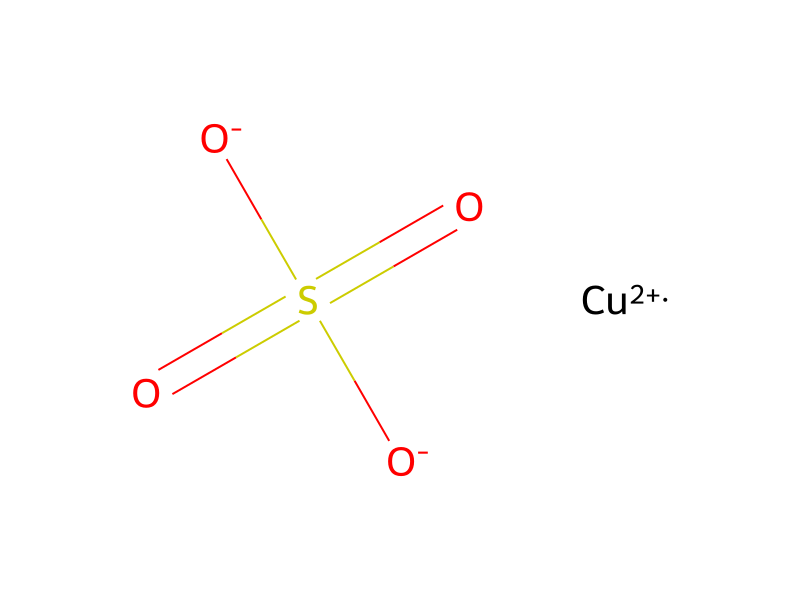
The crude product of 1-(β-D-ribofuranosyl)-5-(thiocarbamoyl)amino-1H-imidazole-4-carboxamide (5.0 g) was added to a suspension of copper sulphate (2.9 g, 18 mM) in 3N sodium hydroxide (60 ml) and refluxed for 1 hour. After filtration 33% aqueous acetic acid (30 ml) was added to the filtrate and it was refluxed again while being treated with activated coal. The coal was filtered off, and the solution was cooled to room temperature overnight. Filtration, washing with water and drying gave 2.0 g (65%) of 9-β-D-ribofuranosyl guanine, H2O (guanosine, H2O) as a white powder, mp. 250° C. (dec.). The product had the same physical data as an authentic sample of guanosine, H2O.