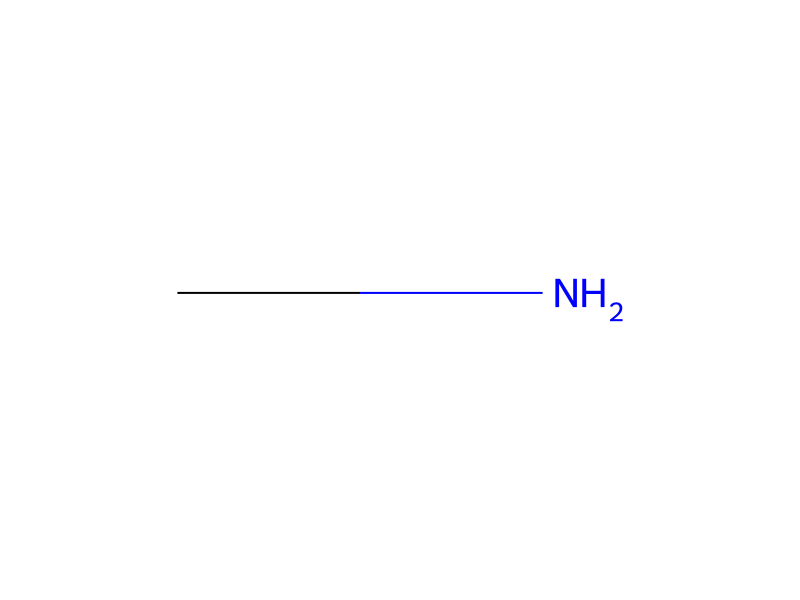
To a stirred solution of N-(Benzyloxycarbonyl)-O-methyl-L-tyrosine (155 g, 0.471M) in dry CH2Cl2 was added 1-hydroxybenzotriazole (63.6 g, 0.471M) followed by a solution of DCC (97.2 g, 0.471M) in CH2Cl2 (100 ml) added slowly at 0° C. After warming to room temperature over 1 hr, a solution of methylamine (30 g) in CH2Cl2 (250 ml) was added dropwise to the reaction mixture which was then stirred overnight at room temperature. The reaction was then filtered, washed with saturated aqueous sodium bicarbonate (×2), dried (MgSO4) and concentrated in vacuo to give a solid. Recrystallisation from ethyl acetate/hexane gave the desired amide (142 g); m.p. 167°-170°; (Found: C, 66.72; H, 6.58; N, 8.29. C19H22N2O4 requires C, 66.65; H, 6.48; N, 8.18%) νmax (CHCl3) 3440, 1710 and 1672 cm-1 ; δ(CDCl3) 2.70 (3H, d, J=5 Hz, NCH3); 2.98 (2H, m, CH2C6H4); 3.77 (3H, s, OCH3); 4.30 (1H, dd, J=7.6 and 3 Hz, α-CH); 5.06 (2H, m, OCH2C6H5); 5.43 (1H, m, OCONH); 5.84 (1H, m, CONH); 6.80 (2H, d, J=8.6 Hz, Tyr H-3 and H-5); 7.15 (2H, d, J=8.6 Hz, Tyr H-2 and H-6); 7.32 (5H, m, C6H5); m/e 343 (100%, [m+1]+).