HomeMCPWorkbenchSkills
HomeWorkbenchNotificationsMe
llms.txt · MCP GuidePrivacy Policy · Terms of Service · Supportv1.8.3
  1. Home
  2. /Reaction

Acetic Acid → 3-[Ethyl(2-methylpropyl)amino]phenol

HRID 1590433
Print

Reaction equation

HRID 1590433 reaction equation
[NH2:1][C:2]1[CH:3]=[C:4]([OH:8])[CH:5]=[CH:6][CH:7]=1.[CH:9](=O)[CH:10]([CH3:12])[CH3:11].[CH:14](=O)[CH3:15].C(O)(=O)C>[Pt].CO>[CH2:14]([N:1]([C:2]1[CH:3]=[C:4]([OH:8])[CH:5]=[CH:6][CH:7]=1)[CH2:9][CH:10]([CH3:12])[CH3:11])[CH3:15]
ParticipantsProcedureWorkupSources & evidenceReaction notes

Participants

7

Reactant 4

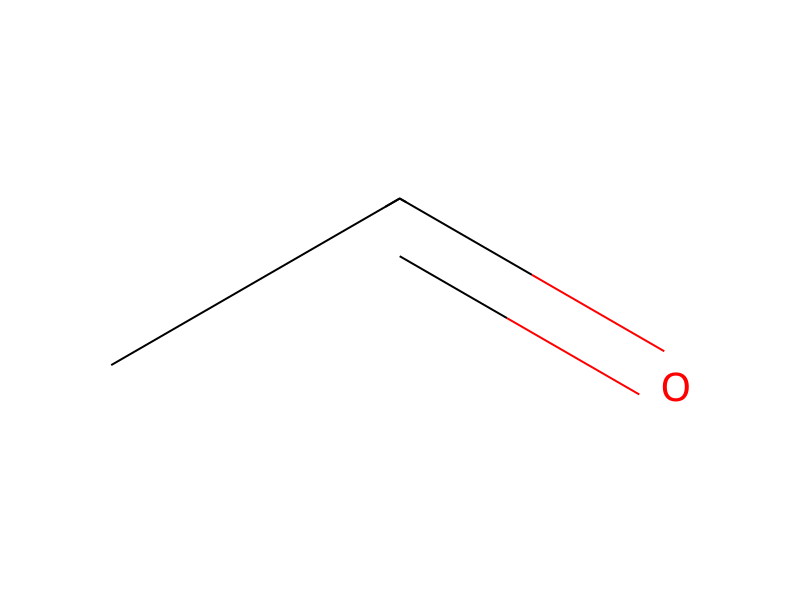
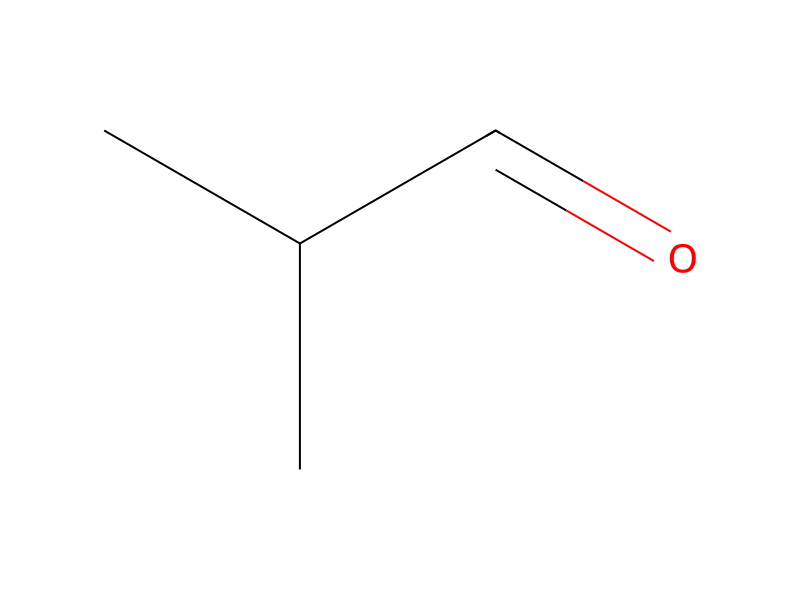
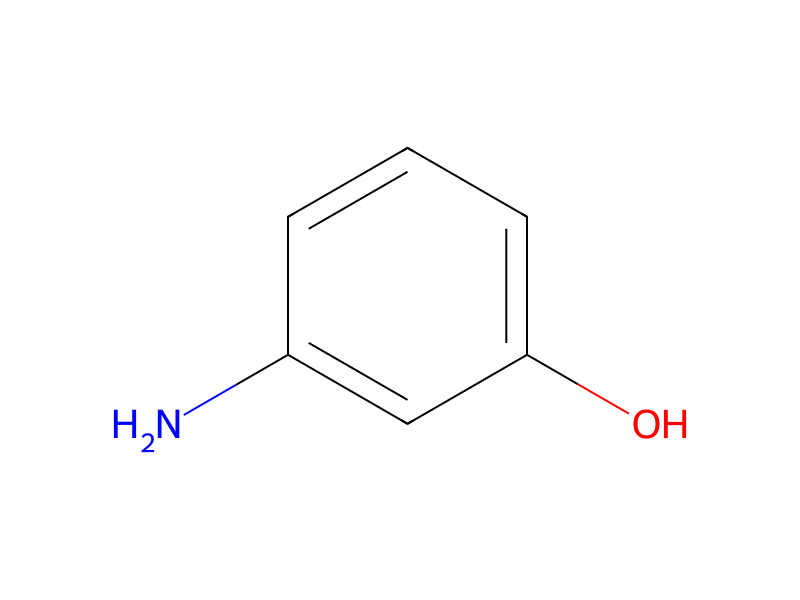
HCID 176Acetic AcidHCID 177Acetaldehyde2×HCID 6561Isobutyraldehyde2×HCID 115683-Aminophenol

Product 1

HCID 140940003-[Ethyl(2-methylpropyl)amino]phenol

Reagents, catalysts & solvents 2

HCID 23939Platinum
Catalyst
2×
HCID 887MethanolSolvent3×

Procedure

3-(N-Ethyl-N-isobutylamino)phenol was synthesized by following the procedure of Examples 1 to 4. In a 500 cc-volume SUS-made autoclave equipped with a stirrer were charged 32.7 g (0.30 mole) of m-aminophenol, 185.5 g of methanol, and 1.6 g of a commercially available catalyst comprising 5% by weight of platinum supported on activated carbon containing 0.1 part by weight of lead per part by weight of platinum, and 47.6 g of a methanol solution containing 50% by weight of isobutyraldehyde (isobutyraldehyde content: 0.33 mole) was introduced over a period of 30 minutes at constant conditions of 40° C. and 10 kg/cm2G. After completion of the introduction of isobutyraldehyde, the mixture was maintained at the same temperature for an additional 60 minutes, after which 41.1 g of a methanol solution containing 45% by weight of acetaldehyde (acetaldehyde content: 0.42 mole) and 0.20 g (0.0033 mole) of acetic acid were continuously introduced over a period of 30 minutes. After completion of the introduction of acetaldehyde, the mixture was maintained at the same temperature for an additional 70 minutes and allowed to cool. The catalyst was removed by filtration, and the resulting filtrate was analyzed by gas chromatography, liquid chromatography, and GPC. The catalyst recovered was reused in the next reaction. The results are as shown in Table 7.


Workup

  1. customIn a 500 cc-volume SUS-made autoclave equipped with a stirrer
  2. additionwas introduced over a period of 30 minutes at constant conditions of 40° C. and 10 kg/cm2G
  3. additionwere continuously introduced over a period of 30 minutes
  4. temperatureto cool
  5. customThe catalyst was removed by filtration
  6. customThe catalyst recovered
  7. customwas reused in the next reaction

Sources & evidence

ORD record
ord-bb63334eafcd403480fc7c97c424f8fa
Source dataset
uspto-grants-1993_04
DOI
10.6084/m9.figshare.5104873.v1
Patent number
US05202485

Reaction notes

On this pageParticipantsProcedureWorkupSources & evidenceReaction notes