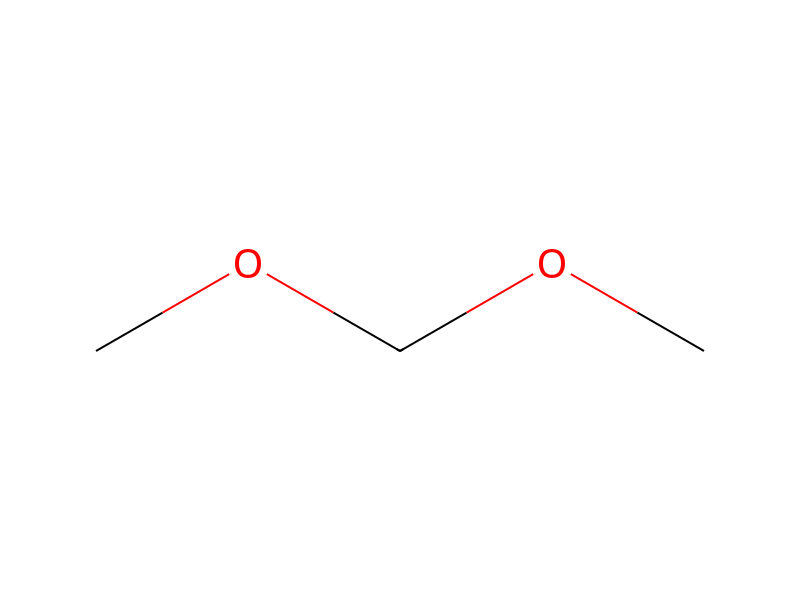
Cl[C:2]1[N:7]=[CH:6][C:5]([CH2:8][C:9]([NH:11][CH2:12][C:13]2[CH:18]=[CH:17][CH:16]=[C:15]([F:19])[CH:14]=2)=[O:10])=[CH:4][CH:3]=1.[CH2:20]([C:22]1[CH:27]=[CH:26][C:25](B(O)O)=[CH:24][CH:23]=1)[CH3:21].C([O-])([O-])=O.[Na+].[Na+]>COCOC.O>[CH2:20]([C:22]1[CH:27]=[CH:26][C:25]([C:2]2[N:7]=[CH:6][C:5]([CH2:8][C:9]([NH:11][CH2:12][C:13]3[CH:18]=[CH:17][CH:16]=[C:15]([F:19])[CH:14]=3)=[O:10])=[CH:4][CH:3]=2)=[CH:24][CH:23]=1)[CH3:21]2-(6-Chloro-pyridin-3-yl)-N-(3-fluoro-benzyl)-acetamide and (0.125 gm, 0.5 mmole), 4-ethylbenzeneboronic acid (0.083 gm, 0.55 mmole) was dissolved in dimethoxymethane (DME), Na2CO3 (0.11 gm, 1 mmole) in 5 ml of water was added to the DME solution, the solution was then degassed for 30 min (Ar through the solution and vacuum applied for the first 5 min), Palladiumtetrakistriphenylphosphine (0.029 gm, 0.025 mmole) was added, degassed for additional 15 min, refluxed for 24 hr. The reaction was allowed to cool to room temperature, filtered, solid washed with ethyl acetate; the organic layer was dried, evaporated. The residue was chromatographed using ethyl acetate/hexane 3:2. The product is white solid (0.08 gm, 47%). H1NMR INOVA-500 (DMSO d6) δ 1.228 (t, J=7.5 Hz, 3H), 2.669 (q, J=7.5 Hz, 2H), 3.590 (s, 2H), 4.321 (d, J=6 Hz, 2H), 7.053-7.113 (m, 3H), 7.324-7.375 (m, 3H), 7.766 (dd, J=9.0, 2.0 Hz, 1H), 7.887 (d, J=8.5 Hz, 1H), 7.994 (d, J=8.0 Hz, 2H), 8.548 (s, 1H), 8.696 (t, J=5.5 Hz, 1H). MS (m/z) 349.3 (M+H)+.