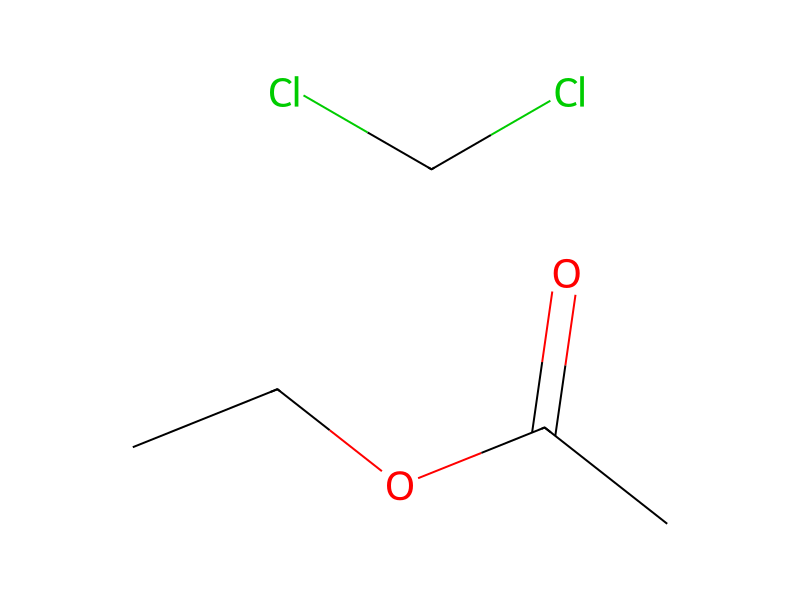
[N+:1]([C:4]1[CH:5]=[C:6]([CH:26]=[CH:27][CH:28]=1)[C:7]([NH:9][CH:10]([C:16]1[CH:21]=[CH:20][C:19]([O:22][CH3:23])=[C:18]([O:24][CH3:25])[CH:17]=1)[CH2:11][C:12]([O:14][CH3:15])=[O:13])=[O:8])([O-])=O.C(OCC)(=O)C.C(Cl)Cl>C(OCC)(=O)C.CO.[Pd]>[NH2:1][C:4]1[CH:5]=[C:6]([CH:26]=[CH:27][CH:28]=1)[C:7]([NH:9][CH:10]([C:16]1[CH:21]=[CH:20][C:19]([O:22][CH3:23])=[C:18]([O:24][CH3:25])[CH:17]=1)[CH2:11][C:12]([O:14][CH3:15])=[O:13])=[O:8]To a solution of methyl N-(3-nitrobenzoyl)-3-amino-3-(3,4-dimethoxyphenyl)propionate (1.25 grams, 3.22 mmol) in a mixture of 150 milliliters of ethyl acetate and 75 milliliters of methanol (mixture gently warmed to dissolve all solid and then allowed to cool to room temperature) was added 0.25 grams of 10% Pd/C. The mixture was then treated with 60 psi of H2 for 2.5 hours on a Parr Type Shaker. Reaction progress was monitored by TLC (1/9 ethyl acetate/methylene chloride, UV) and was complete after 2.5 hours. The reaction mixture was filtered through celite to remove catalyst. The filtrate was concentrated in vacuo to afford a white solid which was dried in vacuo (60 ° C., <1 mm) to afford 1.07 grams (93%) of the desired product: 1H NMR (dmso-d6, 250 MHz) δ 8.60 (d, J=8.5 Hz, 1 H, NH), 7.15-6.8 (m, 6 H, Ar), 6.67 (m, 1 H, Ar), 5.40 (m, 1 H, CHCO), 5.24 (m 2 H, ArNH2), 3.75 (s, 3 H, OCH3), 3.72 (s, 3 H, OCH3), 3.56 (s, 3 H, CO2CH3), 2.95 (dd, J=8.9, 15.4 Hz, 1 H), 2.81 (dd, J=6.3, 15.4 Hz, 1 H); 13C NMR (dmso-d6) δ 170.9, 166.4, 148.6, 148.6, 147.8, 135.6, 135.1, 128.6, 118.5, 116.4, 114.4, 112.8, 111.6, 110.6, 55.5, 55.5, 51.4, 49.6, 40.7.