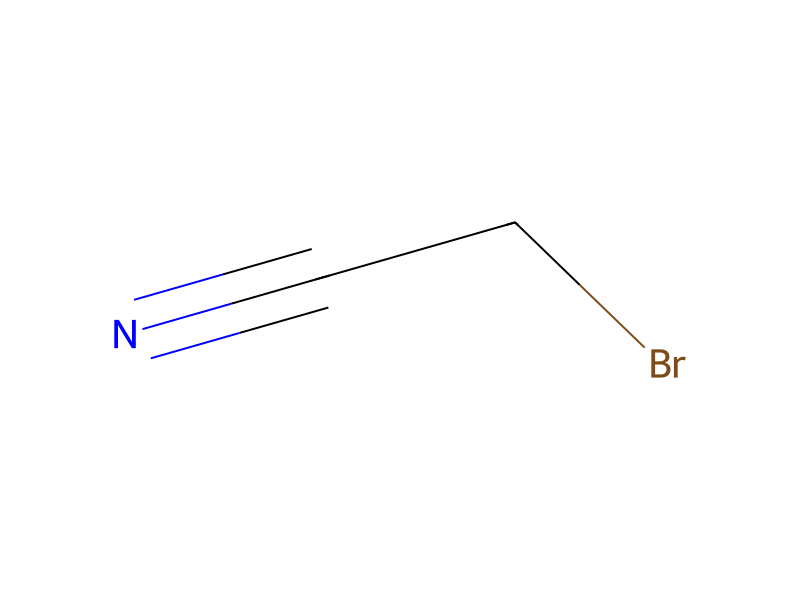
N([O:3][C:4]([CH3:7])(C)C)=O.[O:8]1[CH2:13][CH2:12][CH2:11][CH2:10][CH:9]1[O:14][C:15]1[CH:20]=[CH:19][CH:18]=[CH:17][C:16]=1[C:21](=[CH2:26])[C:22]([O:24][CH3:25])=[O:23].CC(C)([O-])C.[K+].BrCC#[N:36]>C(O)(C)(C)C>[O:8]1[CH2:13][CH2:12][CH2:11][CH2:10][CH:9]1[O:14][C:15]1[CH:20]=[CH:19][CH:18]=[CH:17][C:16]=1[C:21](=[CH:26][O:3][CH2:4][C:7]#[N:36])[C:22]([O:24][CH3:25])=[O:23]A solution of 34.3 g (300 mmol) of t-butyl nitrite and 25 g (100 mmol) of methyl 2-[2-(tetrahydropyran-2-yloxy)-phenyl]-acrylate in 30 ml of t-butanol is added dropwise to a solution of 12.3 g (110 mmol) of potassium t-butoxide in 120 ml of t-butanol, and the reaction solution warms to 45° C. After 2 hours, 13.2 g (110 mmol) of bromoacetonitrile are added to this mixture and stirring is continued at 20° C. for a further 18 hours. The reaction mixture is concentrated under reduced pressure, taken up in methyl t-butyl ether, washed with water, dried over sodium sulphate and concentrated under reduced pressure. The residue is chromatographed over silica gel using hexane/acetone (8:2). 14.9 g (46.9% of theory) of methyl 2-[2-(tetrahydropyran-2-yloxy)-phenyl]-3-cyanomethoxy-acrylate are obtained.