HomeMCPWorkbenchSkills
HomeWorkbenchNotificationsMe
llms.txt · MCP GuidePrivacy Policy · Terms of Service · Supportv1.8.3
  1. Home
  2. /Reaction

Water → 1,3-Propanediol

HRID 1610783
Print

Reaction equation

HRID 1610783 reaction equation
[CH:1]1[C:14]2[C:13](=[O:15])[C:12]3[C:7](=[CH:8][CH:9]=[CH:10][CH:11]=3)[C:6](=[O:16])[C:5]=2[CH:4]=[CH:3][C:2]=1C=O.[CH2:19]([OH:23])[CH2:20][CH2:21][OH:22].C1(C)C=CC(S(O)(=O)=O)=CC=1.O>C1(C)C=CC=CC=1>[C:8]1([CH:21]=[O:22])[C:7]2[C:6](=[O:16])[C:5]3[C:14](=[CH:1][CH:2]=[CH:3][CH:4]=3)[C:13](=[O:15])[C:12]=2[CH:11]=[CH:10][CH:9]=1.[CH2:19]([OH:23])[CH2:20][CH2:21][OH:22]
ParticipantsProcedureWorkupSources & evidenceReaction notes

Participants

7

Reactant 4

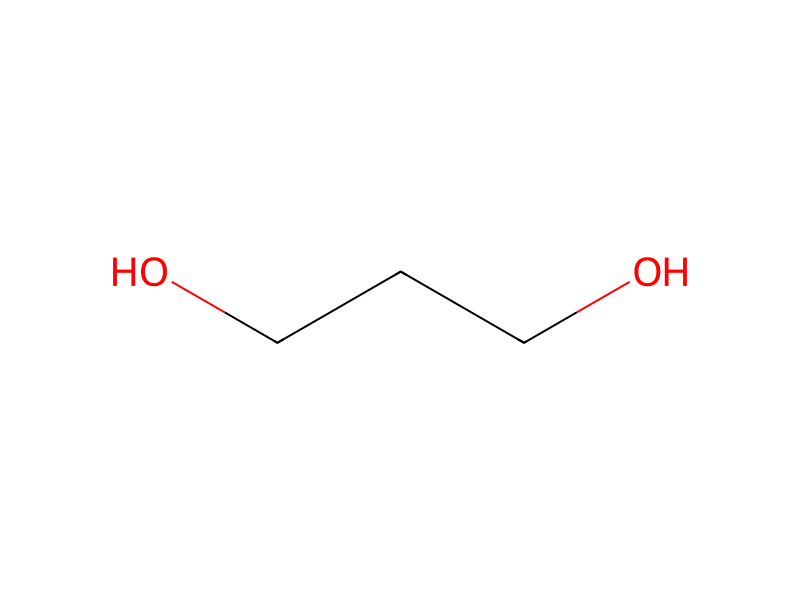
HCID 962WaterHCID 6101p-Toluenesulfonic acidHCID 104421,3-PropanediolHCID 3443109,10-Dioxo-9,10-dihydroanthracene-2-carbaldehyde

Product 2

HCID 104421,3-PropanediolHCID 6168021-Formylanthraquinone

Reagents, catalysts & solvents 1

HCID 1140TolueneSolvent

Procedure

A mixture of anthraquinone-2-aldehyde (12.0 g), 1,3-propanediol (10 ml), and p-toluenesulfonic acid (20 mg) in toluene (300 ml) was heated under reflux with a removal of water formed from the condensation of anthraquinone aldehyde and 1,3-propane diol for 4 hours. The mixture was then cooled to room temperature, filtered off with suction, washed with water and diethyl ether, and dried under vacuum to afford anthraquinone-2-propaneacetal (12.5 g, 84%).

Workup

  1. temperaturewas heated

Sources & evidence

ORD record
ord-0dafadd891e74f21b085005436fb3146
Source dataset
uspto-grants-2006_01
DOI
10.6084/m9.figshare.5104873.v1
Patent number
US06984462B2

Reaction notes

On this pageParticipantsProcedureWorkupSources & evidenceReaction notes