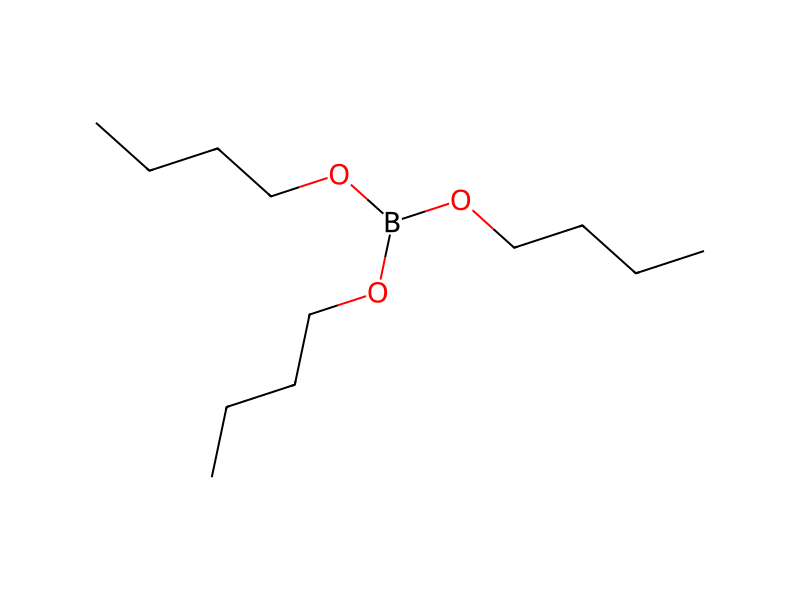
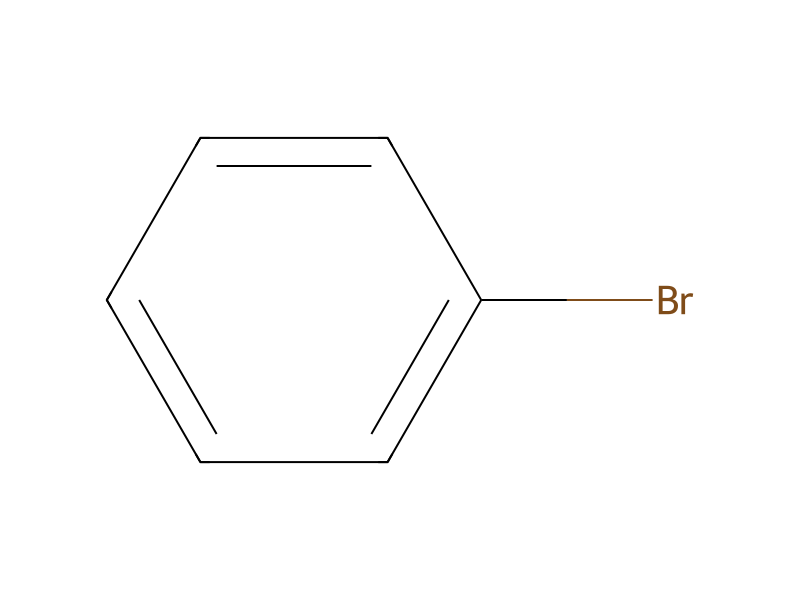
The compounds II are known or can be obtained by known methods. In the case of the compounds wherein Y is sulphur, for example, the compounds of formula II can be obtained in accordance with the following scheme: 3-bromothiophen-2-aldehyde (2) was obtained from commercially available 2,3-dibromothiophen (1) via 3-bromothienyllithium and reaction with N,N-dimethylformamide. The aldehyde 2 was protected by reaction with ethylene glycol to give 2-(3-bromo-2-thienyl)-1,3-dioxolane (3). The latter derivative was converted into 2-formyl-3-thiopheneboronic acid (4) using halogen-metal interconversion between the substrate (3) and butyllithium at −70° C., followed by treatment with tributyl borate and subsequent hydrolysis. The thienylboronic derivative 4 is a very useful intermediate, in fact it can be condensed with various bromo-aromatic compounds. Thus, palladium-catalysed condensation reaction of the derivative 4 with bromobenzene in aqueous sodium carbonate-ethanol mixture as solvent gave 3-phenyl-thiophen-2-carboxaldehyde (5). Oxidation of 5 with Jones' reagent yielded 3-phenyl-thiophen-2-carboxylic acid (6). Chlorination of 6 with thionyl chloride followed by reaction with sodium azide yielded the acyl azide intermediate which on thermolysis in boiling o-dichlorobenzene gave the derivative thieno[2,3-c]isoquinolin-5(4H)-one (7).