Triethylamine → (R)-quinuclidin-3-yl 2-phenyl-2-(vinyloxycarbonylamino)acetate
Reaction equation

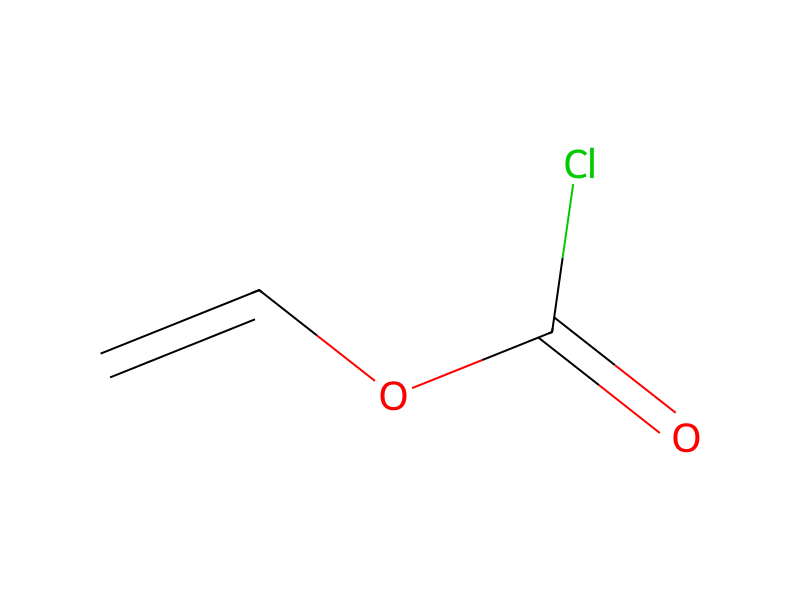
Cl.Cl.[NH2:3][CH:4]([C:16]1[CH:21]=[CH:20][CH:19]=[CH:18][CH:17]=1)[C:5]([O:7][C@@H:8]1[CH:13]2[CH2:14][CH2:15][N:10]([CH2:11][CH2:12]2)[CH2:9]1)=[O:6].C(N(CC)CC)C.[C:29](Cl)(=[O:33])[O:30][CH:31]=[CH2:32]>C(Cl)Cl>[C:16]1([CH:4]([NH:3][C:29]([O:30][CH:31]=[CH2:32])=[O:33])[C:5]([O:7][C@@H:8]2[CH:13]3[CH2:12][CH2:11][N:10]([CH2:15][CH2:14]3)[CH2:9]2)=[O:6])[CH:21]=[CH:20][CH:19]=[CH:18][CH:17]=1Participants
5




Procedure
To a suspension of (R)-quinuclidin-3-yl 2-amino-2-phenylacetate dihydrochloride (I25) (110 mg, 0.33 mmol) in DCM (5 ml), were added triethylamine (138 μl, 0.99 mmol) and vinyl carbonochloridate (36.2 μl, 0.40 mmol). The reaction was stirred at RT for 4 hours, and then the solvent was evaporated. The residue was taken up with EtOAc and washed with water and brine, dried over Na2SO4 and evaporated to dryness to obtain (R)-quinuclidin-3-yl 2-phenyl-2-(vinyloxycarbonylamino)acetate (70 mg; 64% yield). The product was used in the next step without any further purification.
Workup
- customthe solvent was evaporated
- washwashed with water and brine
- dry with materialdried over Na2SO4
- customevaporated to dryness
Sources & evidence
- ORD record
- ord-e2096a44270f4a7c92a05cfd6d276258
- Source dataset
- uspto-grants-2014_07
- Patent number
- US08772314B2
Reaction notes
Loading…