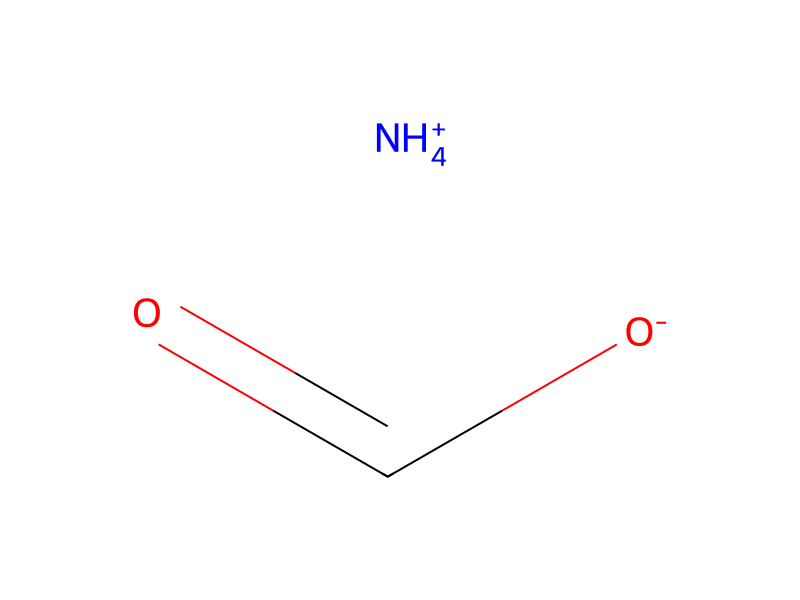
[C:1]([NH:5][C:6]([N:8]1[CH2:13][CH2:12][N:11]2[C:14](Cl)=[C:15]([C:20]3[CH:25]=[CH:24][CH:23]=[CH:22][CH:21]=3)[C:16]([C:17]([NH2:19])=[O:18])=[C:10]2[CH2:9]1)=[O:7])([CH3:4])([CH3:3])[CH3:2].C([O-])=O.[NH4+]>CO.[Pd]>[C:1]([NH:5][C:6]([N:8]1[CH2:13][CH2:12][N:11]2[CH:14]=[C:15]([C:20]3[CH:25]=[CH:24][CH:23]=[CH:22][CH:21]=3)[C:16]([C:17]([NH2:19])=[O:18])=[C:10]2[CH2:9]1)=[O:7])([CH3:4])([CH3:2])[CH3:3]A mixture of 0.866 g (2.31 mmol) of N2-tert-butyl-6-chloro-7-phenyl-3,4-dihydropyrrolo[1,2-a]pyrazine-2,8(1H)-dicarboxamide, 6.0 g (95 mmol) of ammonium formate and 0.20 g (0.09 mmol) of 10% palladium-on-charcoal containing 50% water in 50 ml of methanol is refluxed for 6 hours. After cooling, the mixture is filtered through Celite and the Celite is rinsed with dichloromethane. The filtrate is then concentrated under reduced pressure and the residue is taken up in dichloromethane. The solution is washed with water, dried over sodium sulfate and then concentrated under reduced pressure. The product is then purified by chromatography on a column of 40 g of silica gel, eluting with a mixture of 95 to 50% ethyl acetate in dichloromethane, to give 0.31 g of N2-tert-butyl-7-phenyl-3,4-dihydropyrrolo[1,2-a]pyrazine-2,8(1H)-dicarboxamide in the form of a white solid after crystallizing from diethyl ether and drying.