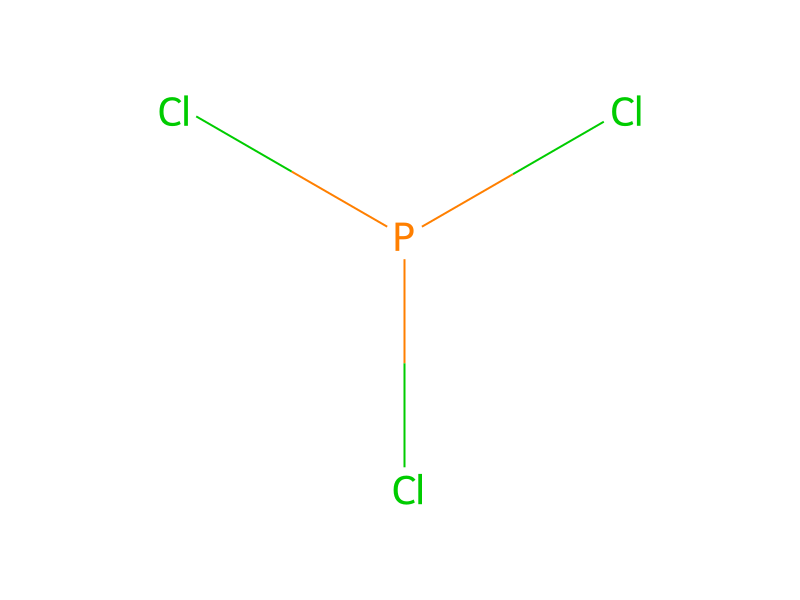
[NH2:1][C:2]1[C:6]([C:7]2[CH:12]=[CH:11][N:10]=[CH:9][CH:8]=2)=[C:5]([C:13]2[CH:18]=[CH:17][C:16]([F:19])=[CH:15][CH:14]=2)[NH:4][N:3]=1.P(Cl)(Cl)[Cl:21].Cl[C:25]1[CH:30]=[CH:29][CH:28]=[CH:27][C:26]=1[CH2:31][C:32]([OH:34])=O>N1C=CC=CC=1>[Cl:21][CH:31]([C:26]1[CH:27]=[CH:28][CH:29]=[CH:30][CH:25]=1)[C:32]([NH:1][C:2]1[C:6]([C:7]2[CH:12]=[CH:11][N:10]=[CH:9][CH:8]=2)=[C:5]([C:13]2[CH:18]=[CH:17][C:16]([F:19])=[CH:15][CH:14]=2)[NH:4][N:3]=1)=[O:34]150 mg of 3-amino-5-(4-fluorophenyl)-4-(4-pyridyl)pyrazole was dispersed in 6 ml of pyridine. While this dispersion was being cooled on a salt-ice bath, 122 mg of phosphorus trichloride was added thereto with stirring. After the resulting mixture was stirred at the same temperature for 25 minutes, 335 mg of 2-chlorophenylacetic acid was added thereto, followed by stirring at room temperature for 20 hours. After the pyridine was distilled off under reduced pressure, the residue was extracted with methanol and chloroform. After the organic layer was washed with water and dried over anhydrous magnesium sulfate, the solvent was distilled off under reduced pressure. The resulting residue was purified by column chromatography using 80 g of silica gel [with an elution solvent comprising chloroform-methanol (30:1)]. Thus, 101 mg (42% yield) of the title compound was obtained.
Loading…