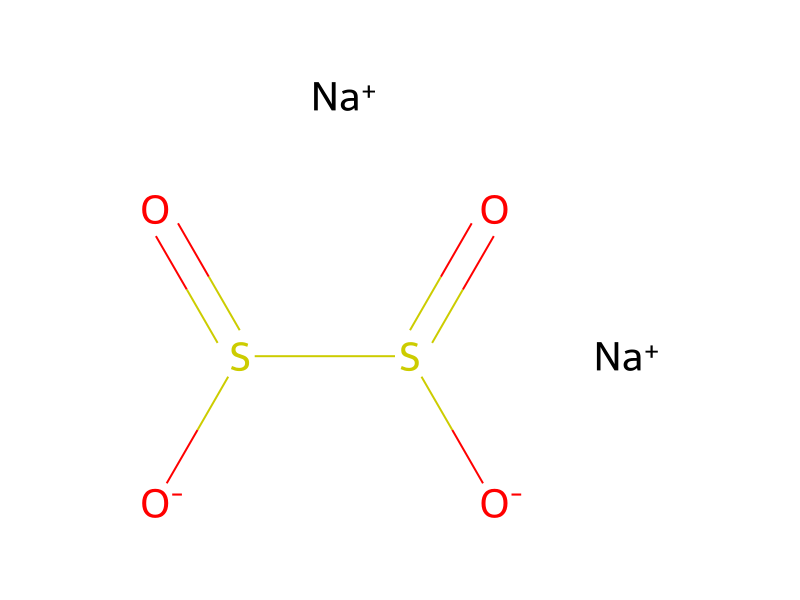
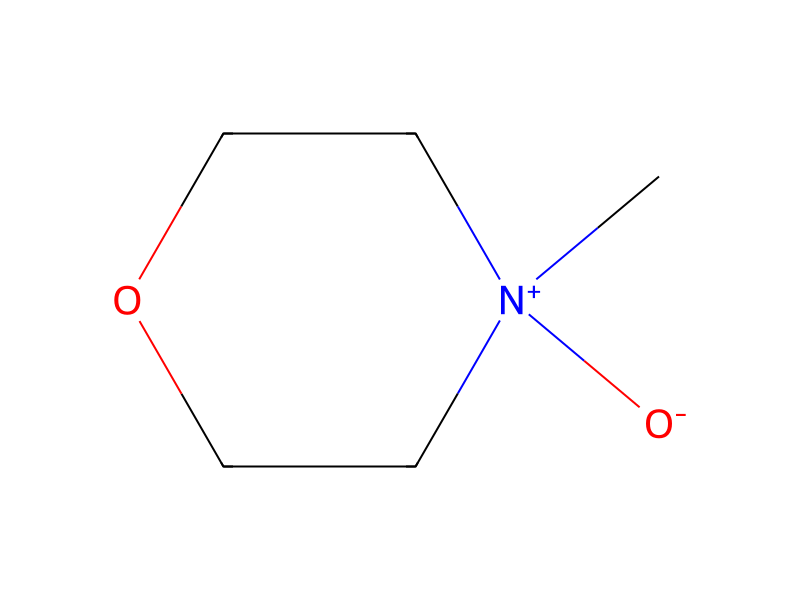
[CH2:1]([N:10]1[C:15](=[O:16])[C:14]([CH3:17])=[CH:13][N:12]([CH3:18])[C:11]1=[O:19])[CH2:2][CH2:3][CH2:4][CH2:5][CH2:6]CC=C.C[N+]1([O-])CC[O:24]CC1.S(S([O-])=O)([O-])=O.[Na+].[Na+].[CH3:36][C:37]([CH3:39])=[O:38]>O>[OH:38][CH:37]([CH2:39][OH:24])[CH2:36][CH2:6][CH2:5][CH2:4][CH2:3][CH2:2][CH2:1][N:10]1[C:15](=[O:16])[C:14]([CH3:17])=[CH:13][N:12]([CH3:18])[C:11]1=[O:19]A solution of 3-(8-nonenyl)-1-methylthymine (2.63 g, 9.9 mmol), prepared above, 4-methylmorpholine-N oxide (1.39 g, 12 mmol), and potassium osmate (IV) dihydrate (7 mg, 2×10⁻⁵ mol) in acetone (20 ml) and water (10 ml) was stirred for 18 hours. After addition of a saturated aqueous solution of sodium hydrosulfite (10 ml) and 15 minutes of stirring, the reaction mixture was extracted with dichloromethane (50 ml) and with two 50 ml aliquots of dichloromethane/20% methanol. The combined organic layers were washed with water (15 ml) and saturated aqueous salt solution (15 ml), and then dried over sodium sulfate. The solvent was evaporated under vacuum, leaving a white solid residue. Recrystallization of the solid in ethanol yielded 2.68 g of 3-(8,9-dihydroxynonyl)-1-methylthymine (91% yield).