Ethyl Acrylate → HCID 66737270, compound
HRID 1640502
Reaction equation

Br[C:2]1[CH:11]=[CH:10][CH:9]=[C:8]2[C:3]=1[CH:4]=[C:5]([O:12][CH3:13])[CH:6]=[N:7]2.[C:14]([O:18]CC)(=[O:17])[CH:15]=[CH2:16]>C1COCC1.CO.[Pd]>[CH3:13][O:12][C:5]1[CH:6]=[N:7][C:8]2[C:3]([CH:4]=1)=[C:2]([CH2:16][CH2:15][C:14]([OH:18])=[O:17])[CH:11]=[CH:10][CH:9]=2Participants
5
Reactant 2
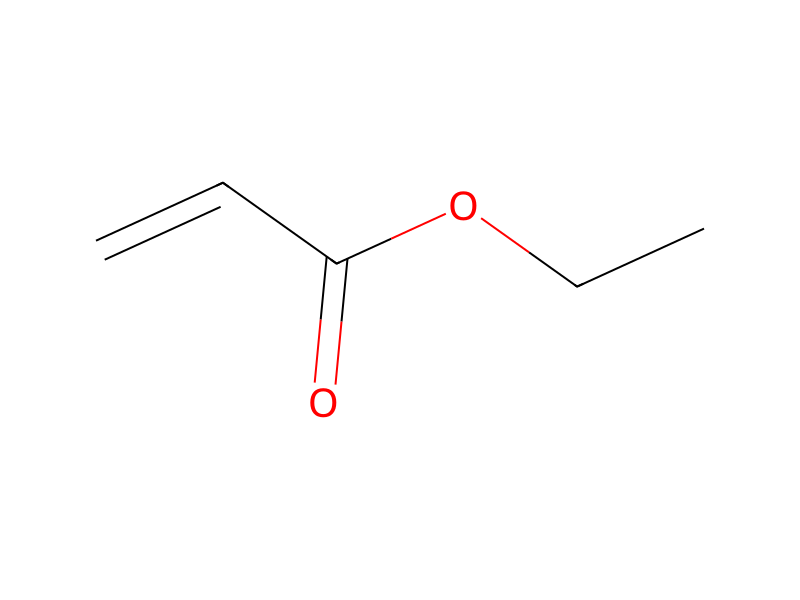

Product 1

Reagents, catalysts & solvents 2


Procedure
This compound was synthesised from 5-bromo-3-methoxy-quinoline (5.0 g, 21 mmol; prepared as in DE 10316081) and ethyl acrylate (5 eq.) according to method G followed by hydrogenation over Pd/C in THF/MeOH 4:1. The hydrolysis was carried out according to method F. The product was isolated as a colourless solid (0.1 g).
Sources & evidence
- ORD record
- ord-8a80e0386776407b86001d0b5e5d6437
- Source dataset
- uspto-grants-2012_02
- Patent number
- US08114867B2