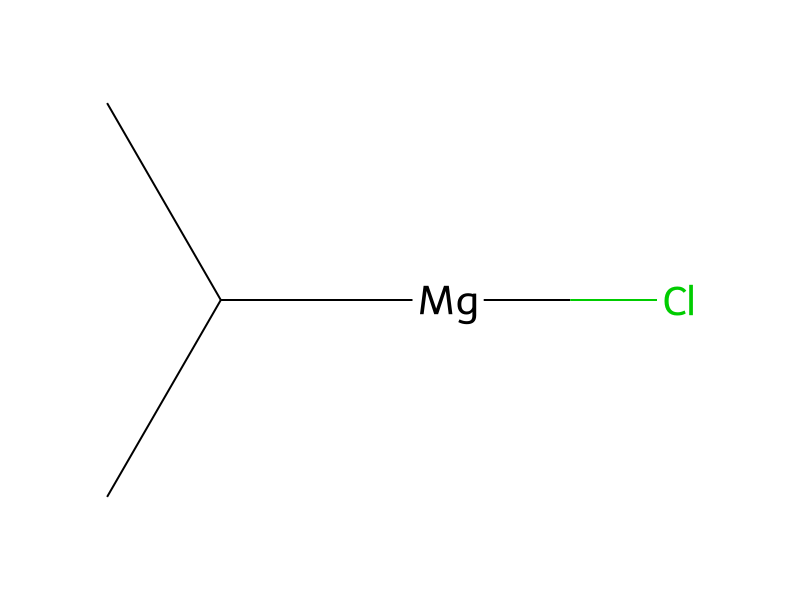
[Cl:1][C:2]1[N:3]=[C:4]2[C:10](I)=[CH:9][N:8]([Si:12]([CH:19]([CH3:21])[CH3:20])([CH:16]([CH3:18])[CH3:17])[CH:13]([CH3:15])[CH3:14])[C:5]2=[N:6][CH:7]=1.C([Mg]Cl)(C)C.[Cl-].[Li+].[CH3:29][C:30]([CH:33]=[O:34])([CH3:32])[CH3:31]>O1CCCC1>[Cl:1][C:2]1[N:3]=[C:4]2[C:10]([CH:33]([OH:34])[C:30]([CH3:32])([CH3:31])[CH3:29])=[CH:9][N:8]([Si:12]([CH:19]([CH3:21])[CH3:20])([CH:16]([CH3:18])[CH3:17])[CH:13]([CH3:15])[CH3:14])[C:5]2=[N:6][CH:7]=12-Chloro-7-iodo-5-triisopropylsilanyl-5H-pyrrolo[2,3-b]pyrazine (0.56 g, 1.28 mmol) was dissolved in 10 mL of dry tetrahydrofuran and stirred under argon with cooling to −78° C. A solution of isopropylmagnesium chloride with lithium chloride (3 mL, 1M, 3 mmol) was added via syringe. After 10 m, neat pivaldehyde (0.325 mL, 3 mmol, distilled) was added all at once. After 1 h at −78° C., the reaction was quenched by the addition of saturated aqueous ammonium chloride, then diluted with ethyl acetate and allowed to warm to ambient temperature. The organic layer was then washed successively with saturated aqueous sodium bicarbonate and brine. After drying over magnesium sulfate, the solution was filtered and solvent removed, and carried directly into the next step.