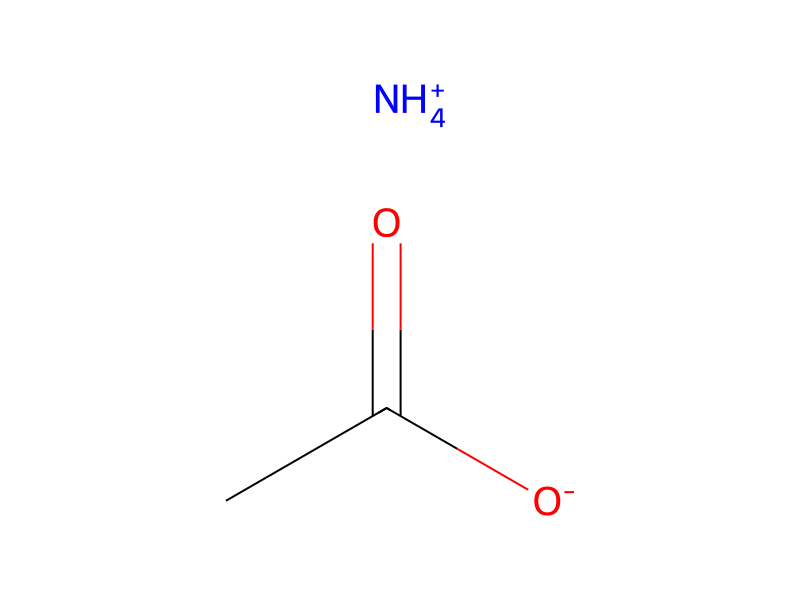
A solution of 4-(acetyloxy)-2,2,6,6-tetramethyl 3,5-heptanedione (22 g, 0.09 mol) in acetic acid (100 mL) is treated with ammonium acetate (44 g). The reaction mixture is heated at reflux overnight. The reaction mixture is diluted with water and neutralized (to pH 5) by the addition of aqueous sodium hydroxide. The product is extracted into ethyl acetate (3×150 mL) and the combined organic layers are washed with 0.1 N NaOH, water, and then brine. The organic layer is dried and evaporated. The residue is taken up in hexane (50 mL) and applied to a pad of silica gel (500 g). The silica pad is eluted with hexane (100 mL). Then the product is eluted from the silica with hexane/ethyl acetate (4:1) to give 18.6 g (91%) of 1-[4-(1,1-dimethylethyl)-2-methyl-5-oxazolyl]-2,2-dimethyl-1-propanone as an oil. 1H-NMR (CDCl3) δ 2.60 (s, 3H, 2-Me), 1.35 (s, 9H, tbu), 1.31 (s, 9H, tbu). 13C--NMR (CDCl3) δ 195.8, 159.3, 157.6, 143.6, 44.2, 32.7, 28.4, 26.6.