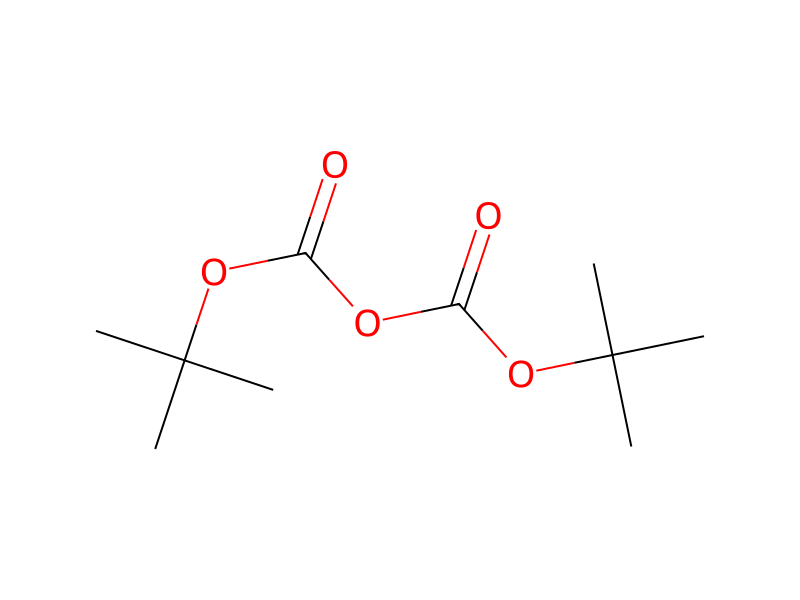
C(OC(OC(C)(C)C)=O)([O:3][C:4](C)(C)[CH3:5])=O.Cl.[OH:17][C@H:18]([C:34]1[CH:39]=[CH:38][CH:37]=[CH:36][CH:35]=1)[CH2:19][NH:20][CH2:21][CH2:22][O:23][C:24]1[CH:29]=[CH:28][C:27]([CH2:30][C:31]([OH:33])=[O:32])=[CH:26][CH:25]=1>C(O)(C)(C)C.[OH-].[Na+]>[C:4]([O:17][C@H:18]([C:34]1[CH:39]=[CH:38][CH:37]=[CH:36][CH:35]=1)[CH2:19][NH:20][CH2:21][CH2:22][O:23][C:24]1[CH:29]=[CH:28][C:27]([CH2:30][C:31]([OH:33])=[O:32])=[CH:26][CH:25]=1)(=[O:3])[CH3:5]Di-t-butyl dicarbonate (1.25 g) in t-butanol (15 ml) was added to a stirred solution of (R)-4-[2-(2-hydroxy-2-phenylethylamino)ethoxy]phenylacetic acid hydrochloride (2.0 g) in 1N aqueous sodium hydroxide (30 ml). The reaction mixture was stirred for 90 minutes at 20° C. The solvent was removed under reduced pressure. Water (20 ml) was added to the residue and the solution was acidified with 2N aqueous citric acid. The product was extracted into 5% methanol in dichloromethane (5×20 ml). The extracts were dried and the solvent removed under reduced pressure to yield N-t-butoxycarbonyl-(R)-[4-[2-(2-hydroxy-2-phenylethylamino)ethoxy]phenylacetic acid as a glass (13 g); [α]25D =-6.2° (c=1.0 in methanol).
Loading…