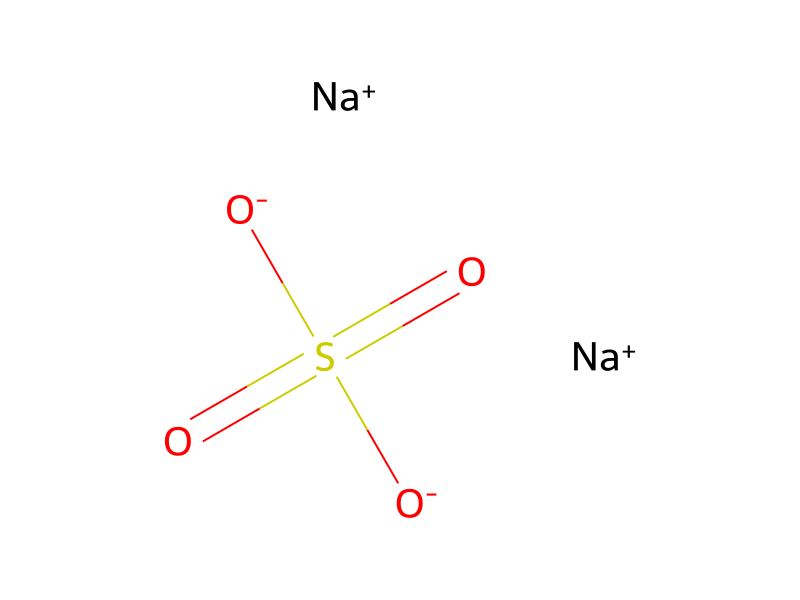
S([O-])([O-])(=O)=O.[Na+].[Na+].[C:8]([C:10]1[C:11]([F:24])=[N:12][C:13]2[C:18]([C:19]=1[F:20])=[CH:17][C:16]([N+:21]([O-])=O)=[CH:15][CH:14]=2)#[N:9].[H][H]>[Pd].O1CCCC1>[NH2:21][C:16]1[CH:17]=[C:18]2[C:13](=[CH:14][CH:15]=1)[N:12]=[C:11]([F:24])[C:10]([C:8]#[N:9])=[C:19]2[F:20]130 parts of anhydrous sodium sulfate were suspended in a solution of 305 parts of 3-cyano-2,4-difluoro-6-nitro-quinoline in 3,400 parts of tetrahydrofuran. 30 parts of a hydrogenation catalyst (10% palladium on carbon) were added, which was followed by hydrogenation at 40° C. and 3 bar. After the uptake of hydrogen had ended, the suspension was filtered, and the clear solution was added to 6,000 parts of ice-water. The resulting precipitate was filtered off with suction, washed and dried. This gave 198 parts of 6-amino-3-cyano-2,4-difluoroquinoline, corresponding to a yield of 74%.