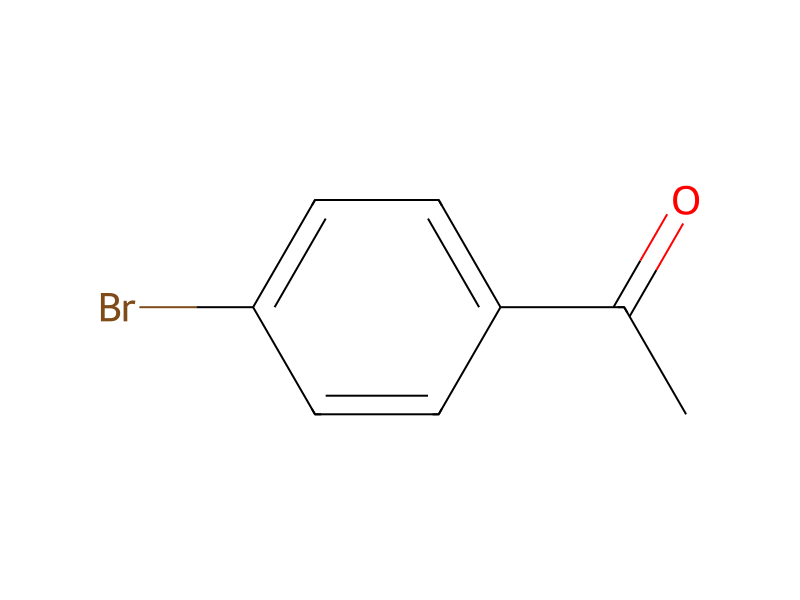
[Br:1][C:2]1[CH:7]=[CH:6][C:5]([C:8](=[O:10])[CH3:9])=[CH:4][CH:3]=1.[N:11]1[CH:16]=[CH:15][CH:14]=[CH:13][C:12]=1[CH3:17].C(O)(=O)C>C1C=CC=CC=1>[Br:1][C:2]1[CH:7]=[CH:6][C:5]([C:8]([OH:10])([CH3:9])[CH2:17][C:12]2[CH:13]=[CH:14][CH:15]=[CH:16][N:11]=2)=[CH:4][CH:3]=1.[Br:1][C:2]1[CH:7]=[CH:6][C:5]([C:8]([CH3:9])=[CH:17][C:12]2[CH:13]=[CH:14][CH:15]=[CH:16][N:11]=2)=[CH:4][CH:3]=12-(p-Bromophenyl)-1-(2-pyridyl)-2-propanol is prepared from p-bromoacetophenone and 2-picoline according to the method of Villani, et al., J. Med. Chem., 13, 359 (1970) in 63% yield. This alcohol (129.1 g.) is dehydrated by heating in 1150 ml. of acetic acid-12 N hydrochloric acid (3:1) at reflux temperature for 4 hr. The mixture is evaporated in vacuo, made basic with concentrated ammonium hydroxide, and extracted with ethyl acetate. The ethyl acetate extract is washed with water and brine, dried over sodium sulfate, and evaporated to give a dark brown oil. A solution of the oil in benzene is passed through a column of silica gel. Evaporation of the eluate gave 46.4 g (26% yield) of crystalline 2-(p-bromophenyl)-1-(2-pyridyl)propene, m.p. 71.5°-73.5° C. (corr.).