HomeMCPWorkbenchSkills
HomeWorkbenchNotificationsMe
llms.txt · MCP GuidePrivacy Policy · Terms of Service · Supportv1.8.3
  1. Home
  2. /Reaction

2-Phenylethylamine hydrochloride → (2-Phenylethyl)thiourea

HRID 1660152
Print

Reaction equation

HRID 1660152 reaction equation
Cl.[CH2:2]([NH2:10])[CH2:3][C:4]1[CH:9]=[CH:8][CH:7]=[CH:6][CH:5]=1.[S-:11][C:12]#[N:13].[NH4+]>BrC1C=CC=CC=1.O>[CH2:2]([NH:10][C:12]([NH2:13])=[S:11])[CH2:3][C:4]1[CH:9]=[CH:8][CH:7]=[CH:6][CH:5]=1
ParticipantsProcedureWorkupSources & evidenceReaction notes

Participants

5

Reactant 2

HCID 90752-Phenylethylamine hydrochloride2×HCID 15666Ammonium thiocyanate

Product 1

HCID 735845(2-Phenylethyl)thioureaYield 89%

Reagents, catalysts & solvents 2

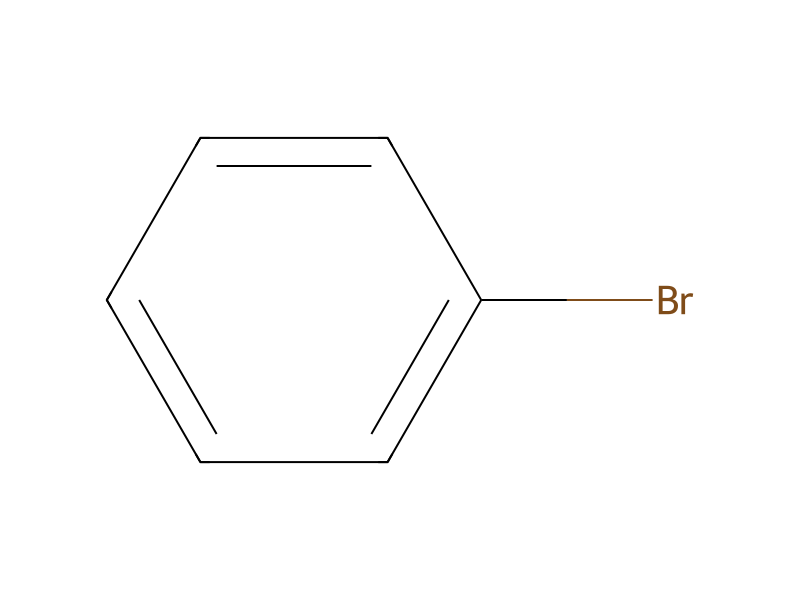
HCID 962WaterSolventHCID 7961BromobenzeneSolvent

Procedure

Phenethylamine hydrochloride (257 grams, 1.63 moles) and ammonium thiocyanate (123.6 grams, 1.63 moles) were heated to 160° C. in 340 ml bromobenzene under nitrogen. After heating for 90 minutes, the mixture was cooled to room temperature and then to 5° C. This procedure was repeated with a further batch of 257 grams of phenethylamine hydrochloride. The combined solids obtained in the above reaction were stirred in 1.5 l water and filtered. Recrystallization from isopropyl alcohol yielded 261.5 grams (45%) N-phenethylthiourea, m.p. 132°-134°.

Workup

  1. temperatureAfter heating for 90 minutes
  2. customto 5° C
  3. customThe combined solids obtained in the above reaction
  4. filtrationfiltered
  5. customRecrystallization from isopropyl alcohol

Sources & evidence

ORD record
ord-50e3c263a2354a12816ea2e64b2d008f
Source dataset
uspto-grants-1981_12
DOI
10.6084/m9.figshare.5104873.v1
Patent number
US04307106

Reaction notes

On this pageParticipantsProcedureWorkupSources & evidenceReaction notes