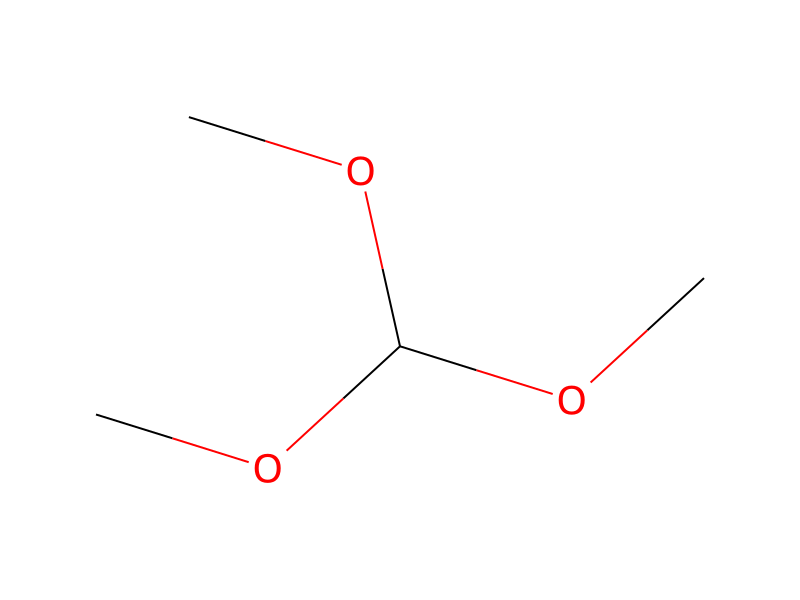
[Cl:1][C:2]1[CH:3]=[C:4]([C:8]2[N:9]=[C:10]([NH:16][C:17]3[CH:22]=[C:21]([CH:23]=[O:24])[C:20]([O:25][CH3:26])=[CH:19][C:18]=3[N+:27]([O-])=O)[S:11][C:12]=2[C:13]([NH2:15])=[O:14])[CH:5]=[CH:6][CH:7]=1.[Cl-].[NH4+].O1CCC[CH2:33]1.COC(OC)OC>[Zn].C(O)(=O)C>[Cl:1][C:2]1[CH:3]=[C:4]([C:8]2[N:9]=[C:10]([N:16]3[C:17]4[CH:22]=[C:21]([CH:23]=[O:24])[C:20]([O:25][CH3:26])=[CH:19][C:18]=4[N:27]=[CH:33]3)[S:11][C:12]=2[C:13]([NH2:15])=[O:14])[CH:5]=[CH:6][CH:7]=1To a suspension of 0.100 g (0.23 mmole) of 4-(3-chloro-phenyl)-2-(5-formyl-4-methoxy-2-nitro-phenylamino)-thiazole-5-carboxylic acid amide (VI.46b), 3 mL of saturated ammonium chloride solution and 3 mL of tetrahydrofuran was added 0.100 g of zinc powder. The mixture was stirred room temperature until the organic layer became straw yellow in color (1 hour). The mixture was filtered, and the filtrate was partitioned between 30 mL of saturated ammonium chloride solution and 30 mL of tetrahydrofuran. The organic layer was dried over anhydrous magnesium sulfate, filtered and concentrated under reduced pressure to give a red solid. The solid was stirred at room temperature with 5 mL of glacial acetic acid and 0.05 mL of trimethylorthoformate for 1 hour and then concentrated under reduced pressure. The residue was partitioned between 50 mL of ethyl acetate and 50 ml, of potassium carbonate solution. The organic layer was dried over anhydrous magnesium sulfate, filtered and concentrated under reduced pressure to give 0.053 g of 4-(3-chloro-phenyl)-2-(6-formyl-5-methoxy-benzoimidazol-1-yl)-thiazole-5-carboxylic acid amide (I.46a) as a yellow solid.
Loading…