HomeMCPWorkbenchSkills
HomeWorkbenchNotificationsMe
llms.txt · MCP GuidePrivacy Policy · Terms of Service · Supportv1.8.3
  1. Home
  2. /Reaction

Dichloromethane → Methyl 2-(benzamido)-4-bromobenzoate

HRID 1673333
Print

Reaction equation

HRID 1673333 reaction equation
[C:1](Cl)(=[O:8])[C:2]1[CH:7]=[CH:6][CH:5]=[CH:4][CH:3]=1.C(Cl)Cl.[NH2:13][C:14]1[CH:23]=[C:22]([Br:24])[CH:21]=[CH:20][C:15]=1[C:16]([O:18][CH3:19])=[O:17]>C(N(CC)CC)C>[C:1]([NH:13][C:14]1[CH:23]=[C:22]([Br:24])[CH:21]=[CH:20][C:15]=1[C:16]([O:18][CH3:19])=[O:17])(=[O:8])[C:2]1[CH:7]=[CH:6][CH:5]=[CH:4][CH:3]=1
ParticipantsProcedureWorkupSources & evidenceReaction notes

Participants

5

Reactant 3

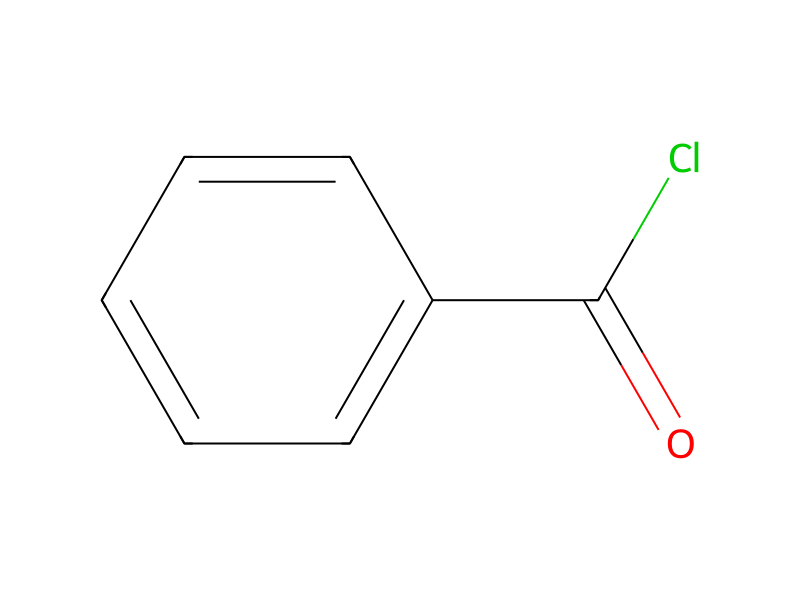
HCID 6344DichloromethaneHCID 7412Benzoyl chlorideHCID 17871390Methyl 2-Amino-4-bromobenzoate

Product 1

HCID 57879335Methyl 2-(benzamido)-4-bromobenzoate

Reagents, catalysts & solvents 1

HCID 8471TriethylamineSolvent

Procedure

0.55 mL of benzoyl chloride was added to 10 mL of a methylene chloride solution containing 1.0 g of methyl 2-amino-4-bromobenzoate and 0.73 mL of triethylamine while ice-cooled and stirred at room temperature for 1 hour. The solvent was evaporated under reduced pressure and a saturated sodium hydrogen carbonate aqueous solution and ethyl acetate were added to the residue. The organic layer was separated and dried over anhydrous magnesium sulfate after washed with 1.0 mol/L hydrochloric acid and a saturated sodium chloride aqueous solution sequentially, and the solvent was evaporated under reduced pressure. Diisopropyl ether was added to the obtained residue and a solid substance was separated by filtration to obtain 0.9 g of methyl 2-(benzamido)-4-bromobenzoate as while solid.

Workup

  1. temperaturecooled
  2. customThe solvent was evaporated under reduced pressure
  3. additiona saturated sodium hydrogen carbonate aqueous solution and ethyl acetate were added to the residue
  4. customThe organic layer was separated
  5. dry with materialdried over anhydrous magnesium sulfate
  6. washafter washed with 1.0 mol/L hydrochloric acid
  7. customa saturated sodium chloride aqueous solution sequentially, and the solvent was evaporated under reduced pressure
  8. additionDiisopropyl ether was added to the obtained residue
  9. customa solid substance was separated by filtration

Sources & evidence

ORD record
ord-fc73191ca8d94b36a200685105b8b6e2
Source dataset
uspto-grants-2011_08
DOI
10.6084/m9.figshare.5104873.v1
Patent number
US07999132B2

Reaction notes

On this pageParticipantsProcedureWorkupSources & evidenceReaction notes