Dichloromethane → HCID 57879560, compound
HRID 1673365
Reaction equation

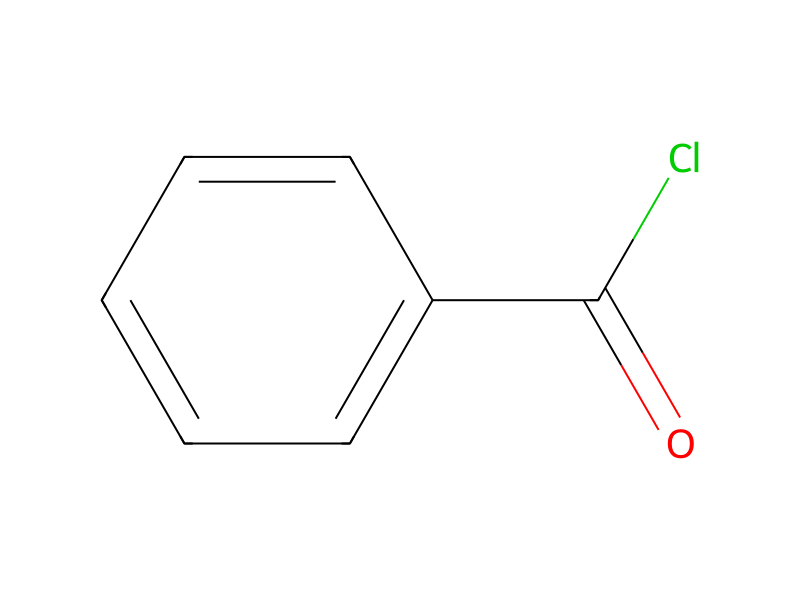
[C:1](Cl)(=[O:8])[C:2]1[CH:7]=[CH:6][CH:5]=[CH:4][CH:3]=1.C(Cl)Cl.[NH2:13][C:14]1[CH:23]=[C:22]([C:24]2[CH:29]=[CH:28][CH:27]=[CH:26][CH:25]=2)[CH:21]=[CH:20][C:15]=1[C:16]([O:18][CH3:19])=[O:17]>C(N(CC)CC)C>[C:1]([NH:13][C:14]1[CH:23]=[C:22]([C:24]2[CH:29]=[CH:28][CH:27]=[CH:26][CH:25]=2)[CH:21]=[CH:20][C:15]=1[C:16]([O:18][CH3:19])=[O:17])(=[O:8])[C:2]1[CH:7]=[CH:6][CH:5]=[CH:4][CH:3]=1Participants
5
Reactant 3


Product 1

Reagents, catalysts & solvents 1

Procedure
0.28 mL of benzoyl chloride was added to 10 mL of methylene chloride solution containing 0.50 g of methyl 2-amino-4-phenylbenzoate and 0.36 mL of triethylamine and stirred at room temperature overnight. The solvent was evaporated under reduced pressure and water and ethyl acetate were added. The organic layer was separated and dried over anhydrous magnesium sulfate after washed with 1.0 mol/L hydrochloric acid and a saturated sodium chloride aqueous solution sequentially, and the solvent was evaporated under reduced pressure. Hexane and diisopropyl ether were added to the obtained residue and a solid substance was separated by filtration to obtain 0.52 g of methyl 2-(benzamido)-4-phenylbenzoate as white solid.