HomeMCPWorkbenchSkills
HomeWorkbenchNotificationsMe
llms.txt · MCP GuidePrivacy Policy · Terms of Service · Supportv1.8.3
  1. Home
  2. /Reaction

Hydrogen Sulfide → Sodium Chloride

HRID 1678537
Print

Reaction equation

HRID 1678537 reaction equation
[C:1]([O-:10])(=[S:9])[CH2:2][CH2:3][CH2:4][CH2:5][CH2:6][CH2:7][CH3:8].[Na+:11].[S-2].[Na+].[Na+].[SH-].[Na+].C([Cl:26])(=O)CCCCCCC.S>O.[Cl-].C[N+](CCCCCCCC)(CCCCCCCC)CCCCCCCC>[S-2:9].[Na+:11].[Na+:11].[C:1]([O-:10])(=[S:9])[CH2:2][CH2:3][CH2:4][CH2:5][CH2:6][CH2:7][CH3:8].[Na+:11].[Cl-:26].[Na+:11]
ParticipantsProcedureWorkupSources & evidenceReaction notes

Participants

10

Reactant 5

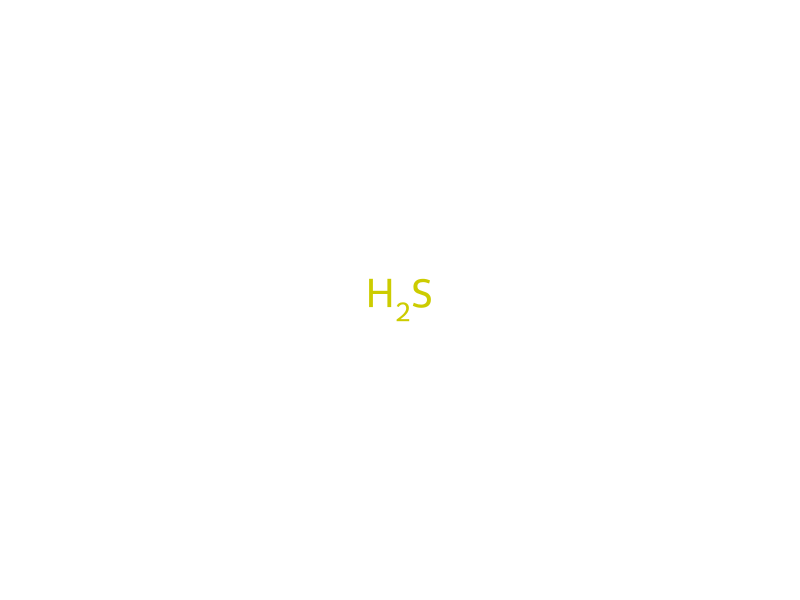
HCID 402Hydrogen SulfideHCID 8124Octanoyl chloride4×HCID 14804Sodium SulfideHCID 28015Sodium hydrosulfide2×HCID 24940094Sodium thiooctanoate

Product 3

HCID 5234Sodium Chloride
HCID 14804
Sodium Sulfide
HCID 24940094Sodium thiooctanoate

Reagents, catalysts & solvents 2

HCID 21218Trioctylmethylammonium chlorideCatalystHCID 962WaterSolvent

Procedure

Preparation of Aqueous Sodium Thiooctanoate. A 16 weight percent aqueous solution of sodium sulfide was prepared by dissolving sodium sulfide (101 grams, 1.29 moles) in the form of hydrated flakes (168 grams, 60%) into 463 grams of water in a 5-liter round-bottomed flask. This solution was then converted to an aqueous solution of sodium hydrosulfide (NaSH) by saturating it with an excess of hydrogen sulfide by adding hydrogen sulfide with stirring until no more was absorbed. A dropping funnel was charged with octanoyl chloride (210.5 grams, 1.294 moles). The temperature of the sodium hydrosulfide solution in the 5-liter flask measured 23° C. The addition of the octanoyl chloride to the 5-liter flask was begun with stirring of the contents of the 5-liter flask with a mechanical stirrer, immediately after the addition of 0.21 grams of a concentrated aqueous solution of methyltrioctylammonium chloride to the 5-liter flask. Hydrogen sulfide was liberated during the addition of the octanoyl chloride. The addition of the octanoyl chloride was completed in 3 minutes with external cooling of the 5-liter flask using an ice-water bath. The contents of the 5-liter flask reached a maximum temperature of 59° C. The contents of the 5-liter flask were then cooled to ambient temperature and stirring was stopped, yielding a clear, slightly viscous, one-phase aqueous solution of sodium thiooctanoate and sodium chloride.

Workup

  1. concentrationby saturating it with an excess of hydrogen sulfide
  2. additionby adding hydrogen sulfide
  3. customno more was absorbed
  4. custommeasured 23° C
  5. stirringwith stirring of the contents of the 5-liter flask with a mechanical stirrer
  6. temperaturewith external cooling of the 5-liter flask
  7. customa maximum temperature of 59° C
  8. stirringstirring

Sources & evidence

ORD record
ord-9ec9f5b611f340bb9446f651ae441cd4
Source dataset
uspto-grants-2011_08
DOI
10.6084/m9.figshare.5104873.v1
Patent number
US08008520B2

Reaction notes

On this pageParticipantsProcedureWorkupSources & evidenceReaction notes

