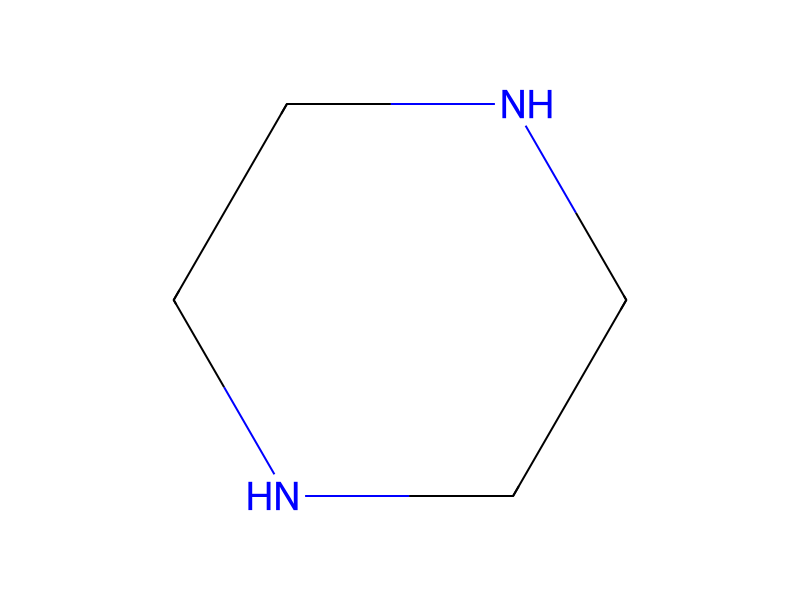
Cl[CH2:2][CH2:3][O:4][CH:5]([C:14]1[CH:19]=[CH:18][CH:17]=[CH:16][CH:15]=1)[C:6](=[O:13])[C:7]1[CH:12]=[CH:11][CH:10]=[CH:9][CH:8]=1.[NH:20]1[CH2:25][CH2:24][NH:23][CH2:22][CH2:21]1.C1(C)C=CC=CC=1>CCOCC>[N:20]1([CH2:2][CH2:3][O:4][CH:5]([C:14]2[CH:19]=[CH:18][CH:17]=[CH:16][CH:15]=2)[C:6]([C:7]2[CH:12]=[CH:11][CH:10]=[CH:9][CH:8]=2)=[O:13])[CH2:25][CH2:24][NH:23][CH2:22][CH2:21]127 g (0.1 mole) of benzoin 2-chloroethyl ether and 34 g (0.4 mole) of piperazine are heated to 70° C. After 11/2 hours, 5 ml of toluene are added in order to prevent the piperazine from subliming and the mixture is heated to 140° C. and kept for 2 hours at reflux temperature. After cooling, the reaction mixture is diluted with ether and extracted with dilute hydrochlorid acid. The hydrochloric acid solution is freed from ether and neutralised with K2CO3. The alkaline solution is extracted with ether and then with toluene. The toluene solution is dried over Na2SO4 and concentrated. The residual oil is dried in a high vacuum at 60° C.