Reaction equation

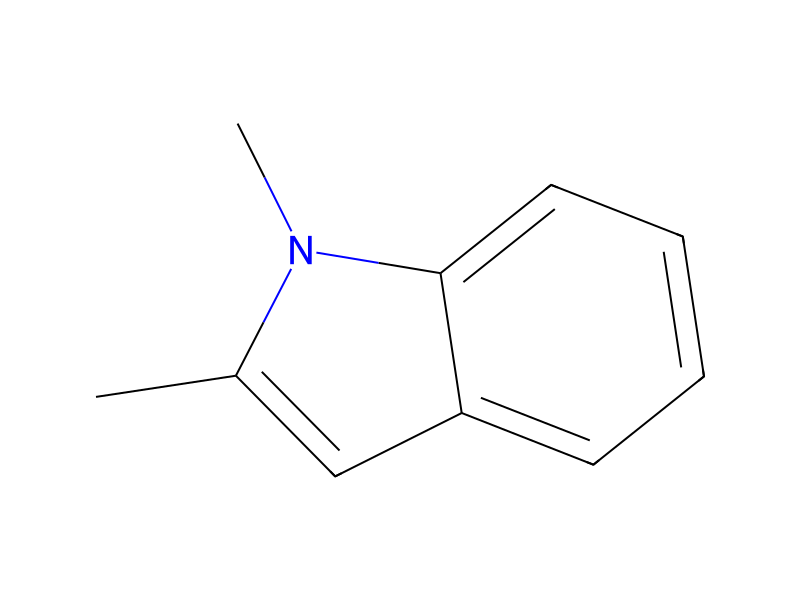
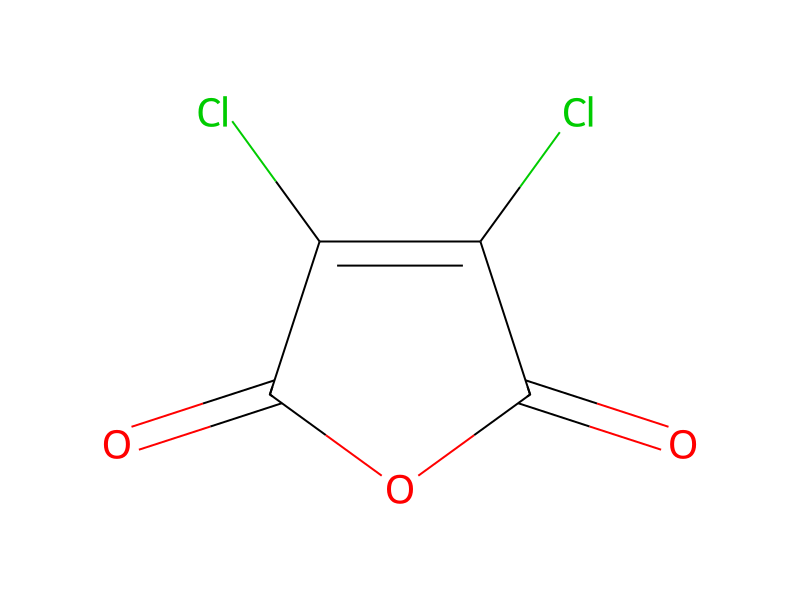
[CH3:1][N:2]1[C:10]2[C:5](=[CH:6][CH:7]=[CH:8][CH:9]=2)[CH:4]=[C:3]1[CH3:11].[Cl:12][C:13]1=[C:14]([Cl:20])[C:15]([O:17][C:18]1=[O:19])=[O:16]>C(Cl)CCl>[CH3:1][N:2]1[C:10]2[C:5](=[CH:6][CH:7]=[CH:8][CH:9]=2)[C:4]([C:15](=[O:16])[C:14]([Cl:20])=[C:13]([Cl:12])[C:18]([OH:19])=[O:17])=[C:3]1[CH3:11]Participants
4
Reactant 2
Product 1

Reagents, catalysts & solvents 1

Procedure
A mixture of 10.0 g (0.07 mole) of 1,2-dimethylindole, 12.0 g (0.07 mole) of dichloromaleic anhydride and 200 ml of ethylene dichloride was stirred at ambient temperature for approximately eighteen hours. The solid present in the reaction mixture was collected by filtration. After drying at 60° C. in vacuo there was obtained 20.0 g of 4-(1,2-dimethyl-3-indolyl)-2,3-dichloro-4-oxo-2-butenoic acid (Formula VIII: R=R1 =CH3 ; Y=H) as a pale blue solid which melted over the range 150° to 153° C. Infrared spectral analysis showed a maximum at 1712 (C=O; s) cm-1.
Workup
- filtrationThe solid present in the reaction mixture was collected by filtration
- customAfter drying at 60° C. in vacuo
Sources & evidence
- ORD record
- ord-4f92d0000669421986704d57bccd51cf
- Source dataset
- uspto-grants-1981_06
- Patent number
- US04275121
Linked notes
Loading…