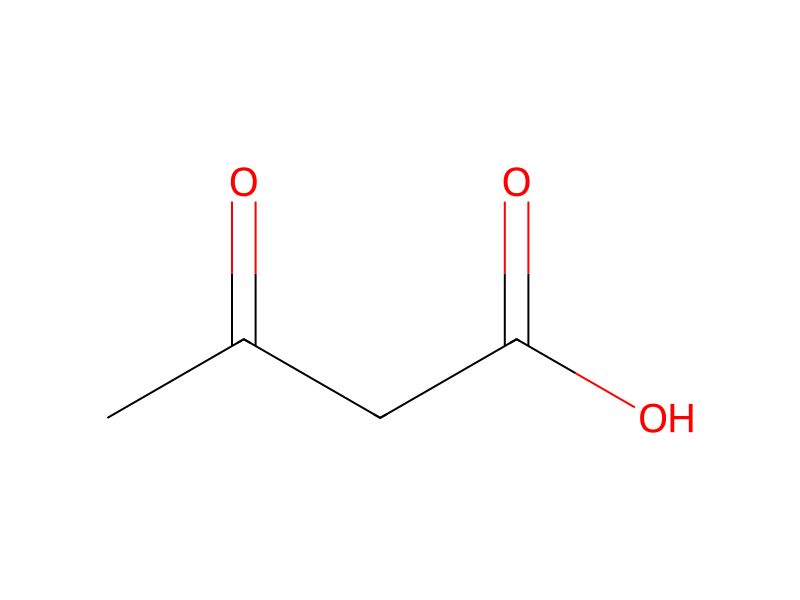
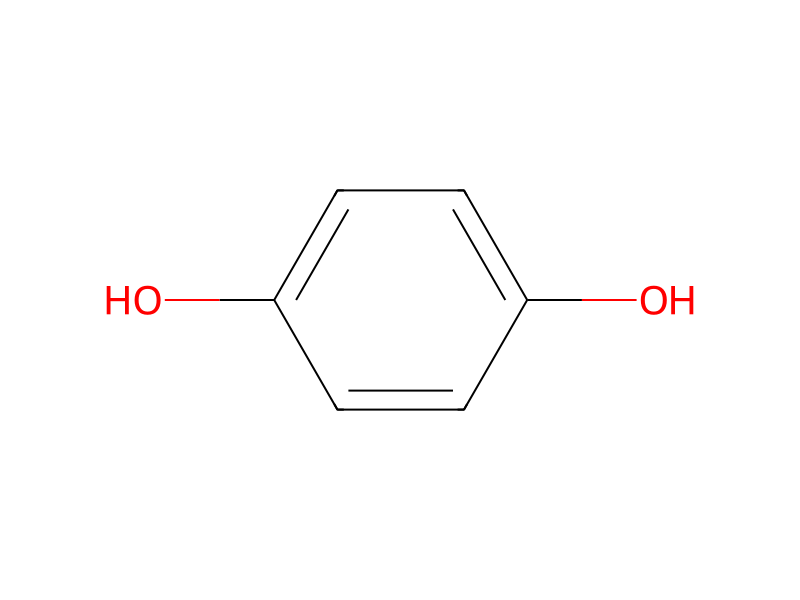
Acetoacetic Acid → Acetic acid;benzene-1,4-diol
HRID 1684680
Reaction equation

CC([CH2:4][C:5]([OH:7])=[O:6])=O.[C:8]1([CH:15]=[CH:14][C:12]([OH:13])=[CH:11][CH:10]=1)[OH:9]>>[C:5]([OH:7])(=[O:6])[CH3:4].[C:5]([OH:7])(=[O:6])[CH3:4].[C:8]1([CH:15]=[CH:14][C:12]([OH:13])=[CH:11][CH:10]=1)[OH:9]Participants
3

Procedure
The diacetate of hydroquinone had a tendency to sublime into the distillation column. It was, therefore, necessary to charge the reactor in such a way so as to make up for this loss of the diacetate of hydroquinone. The highest intrinsic viscosity was obtained when a 1.6% molar excess of hydroquinone diacetate was employed. Air was used to cool the condenser, since water cooling caused more sublimate to form a in the condensation column. Excess sublimate in the distillation path would eventually inhibit the formation of high vacuum in the latter stages of the polymerization reaction.
Workup
- distillationto sublime into the distillation column
- additionnecessary to charge the reactor in such a way so as