
Basic information
- Standard SMILES
Oc1ccc(O)cc1- InChIKey
QIGBRXMKCJKVMJ-UHFFFAOYSA-N- Molecular formula
- C6H6O2
- Average molar mass
- 110.11 g/mol
- Monoisotopic mass
- 110.03677943
Overview
Hydroquinone appears as light colored crystals or solutions. May irritate the skin, eyes and mucous membranes. Mildly toxic by ingestion or skin absorption.
Names & identifiers
- Preferred name
- Hydroquinone
- IUPAC
- benzene-1,4-diol
- English name
- Hydroquinone
- Molecular formula
- C6H6O2
- Molecular weight
- 110.11
Names & synonyms
hydroquinone123-31-9Benzene-1,4-diol1,4-benzenediol1,4-DihydroxybenzeneQuinolp-Hydroquinonep-Hydroxyphenolp-Benzenediolp-Dihydroxybenzene4-Hydroxyphenolhydroquinol
Show more names
HQHYDROQUINONDihydroquinone1,4-HYDROQUINONEHidroquinoneHYDROXYQUINOL
BenzoquinolEldopaqueEldoquinHydroquinolePhiaquinTecquinolp-DioxybenzeneSolaquin forte
Database identifiers
- CAS
123-31-9- PubChem CID
- 785
- DTXSID
DTXSID7020716- ChEMBL
CHEMBL537- ChEBI
CHEBI:17594- UNII
- XV74C1N1AE
- EC Number
- 204-617-8
- Nikkaji
- J2.929G
Properties
Computed structural properties
- XLogP
- 0.6
- Topological polar surface area
- 40.5 Ų
- Hydrogen bond donors
- 2
- Hydrogen bond acceptors
- 2
- Rotatable bonds
- 0
- Heavy atoms
- 8
- Formal charge
- 0
- Complexity
- 54.9
Experimental & physicochemical properties
Chemical Classes
Hazardous Air Pollutants (HAPs)
Other Classes -> Phenols
Antioxidant
DrugsPharmaceuticals -> Listed in ZINC15
Cosmetics
Cosmetic ingredients (Hydroquinone) -> CIR (Cosmetic Ingredient Review)
Antioxidant; Reducing; Bleaching; Hair dyeing
SpringerMaterials Properties13C nuclear magnetic resonance spectrum
Pesticides
Pesticide -> EPA IRIS
Environmental transformation -> Pesticide transformation products (metabolite, successor)
LogP
log Kow = 0.59
0.59
0.59
0.61
OdorOdorless
TasteA slightly bitter taste in aqueous solutions
Density
1.332 at 59 °F (EPA, 1998) - Denser than water; will sink
1.330 g/cu cm at 20 °C
Density of "saturated" air = 1.011 (150 °C) (air = 1) ... Crystals remain relatively stable in air if dry ... Reacts with molecular oxygen undergoing autooxidation in aqueous media
Relative density (water = 1): 1.3
1.332 at 59 °F
1.358 @ 20°C
Color/Form
White crystals
Monoclinic prisms (sublimation); needles from water; prisms from methanol
Light-tan, light-gray, or colorless crystals
Solubility
10 to 50 mg/mL at 68 °F (NTP, 1992)
6.72g/L at 20 deg C
In water, 72,000 mg/L at 25 °C
In water, 6.72 g/L at 20 °C. Also water solubility = 3.85 g/L at 0 °C; 5.12 g/L at 10 °C; 5.40 g/L at 15 °C; 8.76 g/L at 30 °C; 11.5 g/L at 40 °C; 25/9 g/L at 60 °C; 46.8 g/L at 80 °C; 66.4 g/L at 100 °C
7% soluble in water at 25 °C
Grams of hydroquinone per 100 g solvent (30 °C); ethanol 46.4; acetone 28.4; water 8.3; benzene 0.06; tetrachloromethane 0.01
Flash Point
329 °F (EPA, 1998)
329 °F
329 °F (CLOSED CUP)
165 °C (329 °F) (Closed cup)
329 °F (165 °C) (Closed cup)
165 °C
Physicochemical properties
- Melting point
- 172 · 172-175 °C(lit.)
- Boiling point
- 285 °C · 285 °C(lit.)
- Density
- 1.32 · 1.32
- bulk density
- 600 kg/m3 · 600kg/m3
- vapor density
- 3.81 · 3.81 (vs air)
- vapor pressure
- 1 mm · 1 mm Hg ( 132 °C)
- refractive index
- 1.632 · 1.6320
- Flash point
- 165 °C · 165 °C
- storage temp.
- 30 °C · Store below +30°C.
- solubility
- 2 O: · H2O: 50 mg/mL, clear
- pka
- 10.35 · 10.35(at 20℃)
- form
- Needle-Like Crystals or Crystalline Powder
- color
- White to off-white
- Odor
- odorless
- biological source
- synthetic
- Water Solubility
- 70 g/L · 70 g/L (20 ºC)
- Specific Heat Capacity
- 1.24 J/ · Cp(crystal): 1.24 J/(g·K), at 25℃
- Sensitive
- Air & Light Sensitive
- Merck
- 14 · 14,4808
- BRN
- 605970 · 605970
- Henry's Law Constant
- (x 10-9 atmm3/mol): <2.07 at 20 °C (approximate - calculated from water solubility and vapor pressure)
- Exposure limits
- 1 mg/m3OSHA:PEL-TWA · ACGIH:TLV-TWA 1 mg/m3OSHA:PEL-TWA 2 mg/m3NIOSH:REL-Ceiling 2 mg/m3[15-min]
- Stability
- Stable. Combustible. Incompatible with strong oxidizing agents, strong bases, oxygen, ferric salts. Light and air-sensitive. Discolours in air.
- Cosmetics Ingredients Functions
- FRAGRANCEHAIR DYEINGREDUCINGANTIOXIDANTBLEACHING
- Cosmetic Ingredient Review (CIR)
- Hydroquinone (123-31-9)
- InChI
- 1S/C6H6O2/c7-5-1-2-6(8)4-3-5/h1-4,7-8H
- InChIKey
- QIGBRXMKCJKVMJ-UHFFFAOYSA-N
- SMILES
- Oc1ccc(O)cc1
- LogP
- 0.59 at · 0.59 at 20℃
- Toxicology and Carcinogenesis
- Toxicology and Carcinogenesis Studies of Hydroquinone (CASRN 123-31-9) in F344/N Rats and B6C3F1 Mice (Gavage Studies)
- FDA 21 CFR
- 175.105 · 175.105; 176.170; 177.2420
- Indirect Additives used in Food Contact Substances
- HYDROQUINONE
- CAS DataBase Reference
- 123 · 123-31-9(CAS DataBase Reference)
- EWG's Food Scores
- 6 · 6-9
- FDA UNII
- 74 C1N1AE · XV74C1N1AE
- ATC code
- 11 AX11 · D11AX11
- IARC
- 3 · 3 (Vol. 15, Sup 7, 71) 1999
- NIST Chemistry Reference
- Hydroquinone(123-31-9)
- EPA Substance Registry System
- Hydroquinone (123-31-9)
- UNSPSC Code
- 41116107 · 41116107
- NACRES
- 77 · NA.77
- Symbol(GHS)
- 5 · GHS05,GHS07,GHS08,GHS09
- Signal word
- Danger
- Hazard statements
- 302 · H302-H315-H318-H370-H372-H373-H317-H341-H351-H410
- Precautionary statements
- 501 · P501-P273-P272-P260-P270-P202-P201-P264-P280-P302+P352-P391-P308+P311-P362+P364-P333+P313-P301+P312+P330-P305+P351+P338+P310-P405
- PPE
- 3 · Eyeshields, Faceshields, Gloves, type P3 (EN 143) respirator cartridges
- Hazard Codes
- Xn,N
- Risk Statements
- 22 · 22-40-41-43-50-68-R68-R50-R43-R41-R40-R22
- Safety Statements
- 26 · 26-36/37/39-61-S61-S36/37/39-S26
- RIDADR
- 2662 · 2662
- OEL
- 2 mg/m3 · Ceiling: 2 mg/m3 [15-minute]
- WGK Germany
- 3 · 3
- RTECS
- 3500000 · MX3500000
- Autoignition Temperature
- 930 °F · 930 °F
- TSCA
- TSCA listed
- HazardClass
- 9 · 9
- PackingGroup
- III
- HS Code
- 29072210 · 29072210
- Storage Class
- 11 · 11 - Combustible Solids
- Hazard Classifications
- 4 OralAquatic · Acute Tox. 4 OralAquatic Acute 1Aquatic Chronic 1Carc. 2Eye Dam. 1Muta. 2Skin Sens. 1B
- Hazardous Substances Data
- 123 · 123-31-9(Hazardous Substances Data)
- Toxicity
- 50 orally · LD50 orally in rats: 320 mg/kg (Woodard)
- IDLA
- 50 mg/m3 · 50 mg/m3
- REACH Registrations
- Active
- Limited Quantities
- 5 kg · 5.0 kg (11 lbs) (solid)
- Excepted Quantities
- Max Inner Pack (30g or 30ml) and Max Outer Pack (1Kg or 1L)
Safety & regulation
GHS classification
GHS Classification
Danger
H302: Harmful if swallowed [Warning Acute toxicity, oral]
P203, P261, P264, P264+P265, P270, P272, P273, P280, P301+P317, P302+P352, P305+P354+P338, P317, P318, P321, P330, P333+P317, P362+P364, P391, P405, and P501 (click each P-code to see the statement)
This chemical does not meet GHS hazard criteria for < 0.1% (1 of 2485) of reports.
Danger
H302+H312 (17.7%): Harmful if swallowed or in contact with skin [Warning Acute toxicity, oral; acute toxicity, dermal]
Hazard information
Regulatory Information
Chemical: 1,4-Benzenediol
Hazard Traits - Carcinogenicity
Commission Regulation (EC) No 1490/2002
1,4-Benzenediol is listed on the EPA's Chemical Data Reporting (CDR) system. Manufacturers and importers of 1,4-Benzenediol are required to report information about their production and use of this chemical to the EPA under the Toxic Substances Control Act (TSCA). (40 eCFR Part 711)
Status: Active Update: 05-05-2023 https://echa.europa.eu/registration-dossier/-/registered-dossier/14417
Hydroquinone: HSNO Approval: HSR003003 Approved with controls
Other Safety InformationIMAP assessments - 1,4-Benzenediol: Human health tier II assessment
DOT LabelClass 9 Poison
Fire Hazards
Dust cloud may explode if ignited in an enclosed area. It can react with oxidizing materials and is rapidly oxidized in the presence of alkaline materials. Oxidizes in air. (EPA, 1998)
Combustible. Finely dispersed particles form explosive mixtures in air.
Fire PotentialFire hazard: slight, when exposed to heat or flame; can react with oxidizing materials.
Health Hazards
This material is very toxic; the probable oral lethal dose for humans is 50-500 mg/kg, or between 1 teaspoon and 1 ounce for a 150 lb. person. It is irritating but not corrosive. Fatal human doses have ranged from 5-12 grams, but 300-500 mg have been ingested daily for 3-5 months without ill effects. Death is apparently initiated by respiratory failure or anoxia. (EPA, 1998)
Hazards Summary
Hydroquinone is used as a developing agent in photography and as an antioxidant in rubber and food. Tinnitus (ringing in the ears), dizziness, headache, nausea, vomiting, dyspnea, erosion of the gastric mucosa, edema of internal organs, cyanosis, convulsions, delirium, and collapse may result from the ingestion of a large amount of hydroquinone in humans. Hydroquinone is also a skin irritant in humans. Chronic (long-term) occupational exposure to hydroquinone dust can result in eye irritation, corneal effects, and impaired vision. No information is available on the reproductive, developmental, or carcinogenic effects of hydroquinone in humans. There was some evidence of carcinogenic activity in orally-exposed rodents. Increased skin tumor incidence has been reported in mice treated dermally. EPA has not classified hydroquinone for carcinogenicity.
Workers exposed to high concentrations developed corneal ulcers. [ACGIH] Animals exposed to lethal doses have convulsions and methemoglobinemia. [HSDB] Can cause leukoderma (depigmentation of skin); [LaDou, p. 328] Allergic contact dermatitis in photographers; [Marks] Allergic contact dermatitis reported in developers of photographs, x-rays, and microfilms; also reported in dental technicians; [Kanerva, p. 1802] Severe eye irritant; [ICSC] Induces genetic damage in germ cells of humans or animals (3A); [MAK]
DOT ID and Guide2662 153
FDA RequirementsHydroquinone is an indirect food additive for use only as a component of adhesives.
Reactive GroupPhenols and Cresols
EC ClassificationSymbol: Xn, N; R: 22-40-41-43-50-68; S: (2)-26-36/37/39-61
UN ClassificationUN Hazard Class: 6.1; UN Pack Group: III
Safety & protection
Fire Fighting
Wear self-contained (positive pressure if available) breathing apparatus and full protective clothing.
Use water spray, powder, foam, carbon dioxide.
First Aid Measures
Fresh air, rest. Artificial respiration may be needed. Refer for medical attention.
Remove contaminated clothes. Rinse and then wash skin with water and soap.
First rinse with plenty of water for several minutes (remove contact lenses if easily possible), then refer for medical attention.
Rinse mouth. Induce vomiting (ONLY IN CONSCIOUS PERSONS!). Refer for medical attention .
First Aid
Signs and Symptoms of Acute Hydroquinone Exposure: Signs and symptoms of acute exposure to hydroquinone may be severe and include dyspnea (shortness of breath), a sense of suffocation, increased respiratory rate, and respiratory failure. Pallor (paleness of the skin), cyanosis (blue tint to skin and mucous membranes), and cardiovascular collapse may occur. Neurologic effects include headache, tinnitus (ringing in the ears), dizziness, delirium, muscle twitching, tremor, and convulsions. Nausea, vomiting, and the production of green to brown-green urine may also occur. Hydroquinone may be irritating and corrosive to the skin, eyes, and mucous membranes. Jaundice (yellow tint to skin) may be noticed.
(General first aid procedures)
Safe StorageSeparated from strong bases and food and feedstuffs.
Firefighting HazardsSpecial hazards arising from the substance or mixture: Carbon oxides
Fire Fighting Procedures
To fight fire, use water, carbon dioxide, dry chem ... .
If material on fire or involved in fire: Extinguish fire using agent suitable for type of surrounding fire (Material itself does not burn or burns with difficulty). Use water in flooding quantities as fog. Apply water from as far a distance as possible. Keep run-off water out of sewers and water sources.
Suitable extinguishing media: Use water spray, alcohol-resistant foam, dry chemical or carbon dioxide.
Advice for firefighters: Wear self contained breathing apparatus for fire fighting if necessary.
Storage Conditions
Keep well closed and protected from light.
Plug tight and store in a place away from direct sunlight.
Conditions for safe storage, including any incompatibilities: Keep container tightly closed in a dry and well-ventilated place. Air and light sensitive.
Cleanup Methods
Environmental Considerations: Land spill: Dig a pit, pond, lagoon, holding area to contain liquid or solid material. Cover solids with a plastic sheet to prevent dissolving in rain or fire fighting water. Dike surface flow using soil, sand bags, foamed polyurethane, or foamed concrete. Absorb bulk liquid with fly ash, cement powder, or commercial sorbents. /SRP: If time permits, pits, ponds, lagoons, soak holes, or holding areas should be sealed with an impermeable flexible membrane liner./
Environmental Considerations: Water spill: Use natural barriers or oil spill control booms to limit spill travel. Use natural deep water pockets, excavated lagoons, or sand bag barriers to trap material at bottom. Remove trapped material with suction hoses.
Environmental Considerations: Air spill: Apply water spray or mist to knock down vapors.
Accidental Release Measures. Personal precautions, protective equipment and emergency procedures: Use personal protective equipment. Avoid dust formation. Avoid breathing vapours, mist or gas. Ensure adequate ventilation. Evacuate personnel to safe areas. Avoid breathing dust. Environmental precautions: Prevent further leakage or spillage if safe to do so. Do not let product enter drains. Discharge into the environment must be avoided. Methods and materials for containment and cleaning up: Pick up and arrange disposal without creating dust. Sweep up and shovel. Keep in suitable, closed containers for disposal.
Nonfire Spill ResponseExcerpt from ERG Guide 171 [Substances (Low to Moderate Hazard)]:
Disposal Methods
SRP: The most favorable course of action is to use an alternative chemical product with less inherent propensity for occupational harm/injury/toxicity or environmental contamination. Recycle any unused portion of the material for its approved use or return it to the manufacturer or supplier. Ultimate disposal of the chemical must consider: the material's impact on air quality; potential migration in soil or water; effects on animal and plant life; and conformance with environmental and public health regulations.
The following wastewater treatment technologies have been investigated for Hydroquinone: Concentration process: Reverse osmosis.
The following wastewater treatment technologies have been investigated for Hydroquinone: Concentration process: Activated carbon.
Hydroquinone is a waste chemical stream constituent which may be subjected to ultimate disposal by controlled incineration.
For more Disposal Methods (Complete) data for HYDROQUINONE (6 total), please visit the HSDB record page.
Spillage Disposal
Personal protection: particulate filter respirator adapted to the airborne concentration of the substance. Do NOT let this chemical enter the environment. Sweep spilled substance into covered sealable containers. Carefully collect remainder. Then store and dispose of according to local regulations.
Preventive Measures
Work clothing that becomes wet or significantly contaminated should be removed and replaced.
Workers whose clothing may have become contaminated should change into uncontaminated clothing before leaving the work premises.
The worker should immediately wash the skin when it becomes contaminated.
SRP: The scientific literature for the use of contact lenses by industrial workers is inconsistent. The benefits or detrimental effects of wearing contact lenses depend not only upon the substance, but also on factors including the form of the substance, characteristics and duration of the exposure, the uses of other eye protection equipment, and the hygiene of the lenses. However, there may be individual substances whose irritating or corrosive properties are such that the wearing of contact lenses would be harmful to the eye. In those specific cases, contact lenses should not be worn. In any event, the usual eye protection equipment should be worn even when contact lenses are in place.
For more Preventive Measures (Complete) data for HYDROQUINONE (11 total), please visit the HSDB record page.
Toxicology
Body Burden
During an environmental benzene exposure assessment for parent-child pairs in Rouen, France, hydroquinone, a urinary metabolite of benzene, was detected in urine samples collected from a group of parents and their children. The parent's urine samples (n = 22) contained a mean hydroquinone concentration of 2.50 mg/L while the children's samples (n = 21) contained a mean concentration of 1.11 mg/L(1).
Interactions
Possible interactions between hydroquinone and phenol, two known benzene metabolites, in inducing micronuclei in mouse bone marrow cells were investigated. Hydroquinone and phenol administered alone gave weak and negative results, at the doses tested. However, simultaneous administration of both compounds caused a considerable increase in the induction of micronuclei as well as an increase in bone marrow toxicity. Using 3 different statistical methods, it was shown that the observed joint effect was significantly higher than additive interaction, and was close to multiplicative interaction. These findings bring further support to the hypothesis that the toxic and genotoxic effects of benzene are produced by several metabolites acting synergistically.
Phenol, when administered together with (14)C hydroquinone, significantly stimulated the covalent binding of (14)C hydroquinone oxidation products to blood (p< 0.001) and bone marrow (p< 0.05) macromolecules, but had no significant effect on covalent binding of (14)C hydroquinone oxidation products to liver and kidney macromolecules (p> 0.05). Catechol, on the other hand, had no effect on the binding of (14)C hydroquinone oxidation products in either bone marrow, kidney or liver (p> 0.05). When hydroquinone was administered together with (14)C phenol, a stimulation of the covalent binding of phenol oxidation products to bone marrow macromolecules also occurred (p< 0.05).
Modifying effects of catechol resorcinol and hydroquinone on second stage hepato- and renal carcinogenesis was investigated in rats pretreated with N-ethyl-N-hydroxyethyl-nitrosamine (EHEN). Groups of twenty 6-week-old Wistar/Crj male rats were treated with 0.1% N-ethyl-N-hydroxyethyl-nitrosamine in the drinking water for 3 weeks. Starting 1 week after the termination of N-ethyl-N-hydroxyethyl-N-nitrosamine treatment they were given a diet containing 0.8% catechol, 0.8% resorcinol or 0.8% hydroquinone or basal diet for 36 weeks. Further groups of 15 rats were each treated with the same doses of phenolic compounds or basal diet alone without N-ethyl-N-hydroxyethyl-N-nitrosamine pretreatment. ... At the end of week 40 histopathological assessment revealed significant reduction of the numbers per rat of hepatocellular adenonas and hepatocellular carcinomas by resorcinol whereas hydroquinone significantly enhanced the numbers per rat of renal microadenomas and renal cell tumors. On the other hand the number of alpha 2u-globulin positive tubules in the animals treated with hydroquinone was significantly lower than controls without any alteration in bromodeoxyuridine incorporation. Lipid peroxidation as evaluated by thiobarbituric acid reactive substance was at control levels in the kidneys of rats treated with hydroquinone throughout the experiment. The results showed that the known renal carcinogen hydroquinone potently enhances the second stage of N-ethyl-N-hydroxyethyl-N-nitrosamine-induced renal carcinogenesis, while its isomer resorcinol inhibited hepatocarcinogenesis.
The effects of diethylnitrosamine on hydroquinone induced hepatic enzyme altered foci were studied. Male Sprague-Dawley-rats were injected with 40 mg/kg diethylnitrosamine followed 24 to 48 hr later by a single dose by gavage of hydroquinone. The presence of foci positive for glutathione-S-transferase-P activity was determined after 1 week by immunohistochemistry. Hepatocytes isolated from rats that had been treated with diethylnitrosamine, hydroquinone, and phenobarbital were immunostained for gamma-glutamyl-transpeptidase activity. For studies of enzyme induction rats were treated daily with hydroquinone for 3 days and the activities of several oxidative enzymes measured. Treatment with diethylnitrosamine andhydroquinone resulted in a dose dependent increase in the area ofenyme altered foci and a dose independent increase in the number of enzyme altered foci. Diethylnitrosamine and hydroquinone treatment also resulted in a decrease in the number of glutathione-S-transferase-P positive cells. The toxicity of hydroquinone was potentiated in-vitro by pretreatment with diethylnitrosamine. A glutathione and dose dependent increase in the percentage of gamma-glutamyl-transpeptidase positive cells as a function of time was seen. Hydroquinone demonstrated only minor effects in the induction of oxidative enzymes. These results support a synergistic effect of hydroquinone and diethylnitrosamine on the reduction of enzyme altered foci precursor cells but they do not support selective damage of enzyme altered foci cells by hydroquinone.
For more Interactions (Complete) data for HYDROQUINONE (10 total), please visit the HSDB record page.
Target OrgansEyes, skin, respiratory system, central nervous system
Ecotoxicity Values
EC50; Species: Chlorococcales (Green algae); Conditions: freshwater, static; Concentration: 17000 ug/L for 24 hr; Effect: physiology; assimilation efficiency /formulation/
EC50; Species: Dunaliella tertiolecta (Green algae); Conditions: freshwater, static, 24 °C, pH 6.8, salinity 2.348%, ; Concentration: 29250 ug/L for 24 hr; Effect: population, decreased photosynthesis /formulation/
EC50; Species: Selenastrum capricormutum (algae); Concentration: 0.335 mg/L for 72 hr; Effect: growth /Conditions of bioassay not specified in source examined/
EC50; Species: Daphnia magna (Water flea) age 6-24 hr; Conditions: freshwater, static, 20 °C, pH > or =7.0; Concentration: 320 ug/L for 24 hr (95% confidence interval: 270-380 ug/L); Effect: intoxication, immobilization /formulation/
For more Ecotoxicity Values (Complete) data for HYDROQUINONE (22 total), please visit the HSDB record page.
Environmental Fate
TERRESTRIAL FATE: Based on a classification scheme(1), an estimated Koc value of 240(SRC), determined from a strucure estimation method(2), indicates that hydroquinone is expected to have moderate mobility in soil(SRC). Volatilization of hydroquinone from moist soil surfaces is not expected to be an important fate process(SRC) given an estimated Henry's Law constant of 4.7X10⁻¹¹ atm-cu m/mole(SRC), derived from its vapor pressure, 2.4X10⁻⁵ mm Hg(3), and water solubility, 7.2X10+4 mg/L(4). Hydroquinone is not expected to volatilize from dry soil surfaces(SRC) based upon its vapor pressure(3). The compound may be removed from soil by oxidation processes(5,6) or by direct photolysis on the surface(7,8). In a survey of standardized tests, hydroquinone was found to biodegrade in the coupled units test, the Zahn-Wellens test, the MITI test, the Sturm test, the AFNOR test, the OECD screening test and the closed bottle test, although its biodegradation is likely to be strongly concentration-dependent. It may be inhibitory at high concentration(9,10).
AQUATIC FATE: Based on a classification scheme(1), an estimated Koc value of 240(SRC), determined from a structure estimation method(2), indicates that hydroquinone is expected to adsorb to suspended solids and sediment(SRC). Volatilization from water surfaces is not expected(3) based upon an estimated Henry's Law constant of 4.7X10⁻¹¹ atm-cu m/mole(SRC), derived from its vapor pressure, 2.4X10⁻⁵ mm Hg(4), and water solubility, 7.2X10+4 mg/L(5). According to a classification scheme(6), an estimated BCF of 3(SRC), from its log Kow(7) and a regression-derived equation(2), suggests the potential for bioconcentration in aquatic organisms is low(SRC). In a survey of standardized tests, hydroquinone was found to biodegrade in the coupled units test, the Zahn-Wellens test, the MITI test, the Sturm test, the AFNOR test, the OECD screening test and the closed bottle test, although its biodegradation is likely to be strongly concentration-dependent. It may be inhibitory at high concentration(8,9).
ATMOSPHERIC FATE: According to a model of gas/particle partitioning of semivolatile organic compounds in the atmosphere(1), hydroquinone, which has a vapor pressure of 2.4X10⁻⁵ mm Hg at 25 °C(2), will exist in both the vapor and particulate phases in the ambient atmosphere. Vapor-phase hydroquinone is degraded in the atmosphere by reaction with photochemically-produced hydroxyl radicals(SRC); the half-life for this reaction in air is estimated to be 17 hrs(SRC), calculated from its rate constant of 2.3X10⁻¹¹ cu cm/molecule-sec at 25 °C(SRC) that was derived using a structure estimation method(3). Particulate-phase hydroquinone may be removed from the air by wet and dry deposition(SRC). The water solubility of hydroquinone, 72,000 mg/L at 25 °C(4), indicates that it may undergo atmospheric removal by wet deposition processes(SRC). It may also be removed from the atmosphere by a gas-phase reaction with nitrate radicals, an important nighttime oxidant(3). Hydroquinone contains chromophores that absorb at wavelengths >290 nm(5) and, therefore, may be susceptible to direct photolysis by sunlight(SRC).
Food Survey Values
Hydroquinone is present in several foods such as wheat products, fruits, and beverages including coffee, teas, beer, and wine(1). Hydroquinone was detected in trace amounts in a mixture of extractable organic substances from New Zealand honeys from unifloral manuka (Leptospermum scoparium) and nodding thistle (Carduus nutans)(2,3).
Adverse Effects
Methemoglobinemia - The presence of increased methemoglobin in the blood; the compound is classified as secondary toxic effect
Adverse Effects Include
Exposure Routes
The substance can be absorbed into the body by inhalation, through the skin and by ingestion.
inhalation, ingestion, skin and/or eye contact
Toxicity Summary
The CIR Expert Panel concluded that hydroquinone is safe at concentrations of less than or equal to 1% for cosmetic formulations designed for discontinuous, brief use followed by rinsing from the skin and hair. Hydroquinone is safe for use in nail adhesives and in artificial nail coatings, as a polymerization inhibitor, that are cured by LED light. Hydroquinone is unsafe for use in other leave-on cosmetic products.
The ingredient is unsafe for use in cosmetics
IDENTIFICATION AND USE: Hydroquinone (HQ) is an aromatic compound in the form of light tan to gray crystals. It is a high-volume commodity chemical used as a reducing agent, antioxidant, polymerization inhibitor, chemical stabilizer, chemical intermediate, and photographic reducer and developer. It is also used in skin lighteners, in cosmetics, hair dye, glue, and a medication to treat dyschromias. HUMAN EXPOSURE: A great deal of research has been conducted with HQ because it is a metabolite of benzene. In workers engaged in the manufacture, HQ dust oxidizes to brown benzoquinone. This material causes pigmentation of the eye and, in some cases, permanent corneal damage. There are reported cases of keratitis and discoloration of the conjunctiva among men exposed to concentrations ranging from 10 to 30 mg of vapor or dust of HQ per cubic meter of air. Ingestion of 1 g by an adult has caused dizziness, sense of suffocation, increased rate of respiration, vomiting, pallor, muscular twitching, headache, dyspnea, cyanosis and collapse and eventually death due to respiratory failure. Upon ingestion urine is green or brownish-green in color and continues to darken on standing. Five hundred forty-four (544) crewmen aboard a large USA Navy vessel developed GI disease characterized by acute onset of nausea, vomiting, abdominal cramps, and diarrhea which was found to be due to hydroquinone contamination of the chilled water system by automatic photo developing machines on the ship. HQ is only weakly positive in in vivo chromosomal assays when expected human exposure routes are used. Chromosomal effects are increased significantly when parenteral or in vitro assays are used. Hydroquinone impairs several leukocyte cell functions, which alter the immune response. It evokes pro-inflammatory properties in endothelial cells that are triggered by the enhancement of NF-kappaB nuclear translocation-dependent gene transcription. Parenteral administration of HQ is associated with changes in several hematopoietic and immunologic endpoints. This toxicity is more severe when combined with parenteral administration of phenol. It is likely that oxidation of HQ within the bone marrow compartment to the semiquinone or p-benzoquinone (BQ), followed by covalent macromolecular binding, and is critical to these effects. Bone marrow and hematologic effects are generally not characteristic of HQ exposures in animal studies employing routes of exposure other than parenteral. Enhanced Ras signaling increases both hydroquinone-mediated growth inhibition in yeast and genotoxicity in mammalian hematopoietic suggesting that HQ toxicity is modulated by Ras signaling and individuals with abnormal Ras signaling could be more vulnerable to developing myeloid diseases after exposure. Hydroquinone also increases proliferation of CFU-GM progenitor cells in mice with Nf1 null bone marrow relative to WT, the same cell type associated with benzene-associated leukemia. It is confirmed animal carcinogen with unknown relevance to humans. ANIMAL STUDIES: In cancer bioassays, HQ has reproducibly produced renal adenomas in male rats. The mechanism of tumorigenesis is unclear but probably involves a species-, strain-, and sex-specific interaction between renal tubule toxicity and an interaction with the chronic progressive nephropathy that is characteristic of aged male rats. Mouse liver tumors (adenomas) and mononuclear cell leukemia (female rat) have also been reported following HQ exposure, but their significance is uncertain. Various tumor initiation/promotion assays with HQ have shown generally negative results. In two-year studies in rats of each sex given hydroquinone in deionized water by gavage, nearly all male rats and most female rats in all vehicle control and dosed groups had nephropathy. The severity of this disease was judged to be greater in high dose male rats. The data on the effect of HQ on development are conflicting, with several studies reporting minimal to no treatment -related effects on duration of gestation, mean litter size, fetal viability, or lactation index in rats fed diets containing HQ. However, one study reports that female rats fed 0.5 g of hydroquinone in their diet during pregnancy had higher rates of fetal resorption than controls (100% versus 41% of the dams), and a greater number of the total implantations were resorbed (27% versus 11%). HQ was not mutagenic in Salmonella typhimurium strains TA98, TA100, TA1535, or TA1537 with or without exogenous metabolic activation. It induced trifluorothymidine resistance in mouse L5178Y/TK lymphoma cells in the presence or absence of metabolic activation, and induced sister chromatid exchanges in Chinese hamster ovary cells both with or without exogenous metabolic activation and caused chromosomal aberrations in the presence of activation. HQ also induced aneuploidy in yeast by delaying the cell cycle at the G2/M transition.
No significant toxicity has been found with the topical use of the hydroquinone cream.
Ecotoxicity Excerpts
/AQUATIC SPECIES/ Sea bass (Dicentrarchus labrax) were injected intraperitoneally once (single dose) or three times (fractionated dose) with phenol or OH-phenols (hydroquinone, resorcinol, and pyrocatechol). On the basis of the lethal doses, OH-phenols were more toxic than phenol, and pyrocatechol was the most powerful compound. Hematological, metabolic and antioxidant blood parameters were measured 3 days after the end of the treatment. Metabolic variations as specific effects on erythrocytes were revealed and differences between single and fractionated doses were observed. OH-phenols-treated fish showed disorders in the metabolic toxicity indicators as hypoglycemia, low blood urea nitrogen level (BUN) and decrease of alkaline phosphatase activity (ALP).
Plant ConcentrationsHydroquinone occurrence in foods(1).[Table#1672]
Animal ConcentrationsHydroquinone may play an important part in the defense mechanisms of a number of insects, including the bombadier beetle (Carabidae) and the earwig (Forficula auricularia)(1).
Regulatory information
FDA RequirementsHydroquinone is an indirect food additive for use only as a component of adhesives.
TSCA Requirements
Pursuant to section 8(d) of TSCA, EPA promulgated a model Health and Safety Data Reporting Rule. The section 8(d) model rule requires manufacturers, importers, and processors of listed chemical substances and mixtures to submit to EPA copies and lists of unpublished health and safety studies. Hydroquinone is included on this list. Effective date 10/04/84; Sunset date: 10/04/94.
Atmospheric Standards
This action promulgates standards of performance for equipment leaks of Volatile Organic Compounds (VOC) in the Synthetic Organic Chemical Manufacturing Industry (SOCMI). The intended effect of these standards is to require all newly constructed, modified, and reconstructed SOCMI process units to use the best demonstrated system of continuous emission reduction for equipment leaks of VOC, considering costs, non air quality health and environmental impact and energy requirements. Hydroquinone is produced, as an intermediate or final product, by process units covered under this subpart.
Listed as a hazardous air pollutant (HAP) generally known or suspected to cause serious health problems. The Clean Air Act, as amended in 1990, directs EPA to set standards requiring major sources to sharply reduce routine emissions of toxic pollutants. EPA is required to establish and phase in specific performance based standards for all air emission sources that emit one or more of the listed pollutants. Hydroquinone is included on this list.
CERCLA Reportable Quantities
Persons in charge of vessels or facilities are required to notify the National Response Center (NRC) immediately, when there is a release of this designated hazardous substance, in an amount equal to or greater than its reportable quantity of 100 lb or 45.4 kg. The toll free number of the NRC is (800) 424-8802. The rule for determining when notification is required is stated in 40 CFR 302.4 (section IV. D.3.b).
Releases of CERCLA hazardous substances are subject to the release reporting requirement of CERCLA section 103, codified at 40 CFR part 302, in addition to the requirements of 40 CFR part 355. Hydroquinone is an extremely hazardous substance (EHS) subject to reporting requirements when stored in amounts in excess of its threshold planning quantity (TPQ) of 500 or 10,000 lbs. Extremely hazardous substances that are solids are subject to either of two threshold planning quantities ... The lower quantity applies only if the solid exists in powdered form and has a particle size less than 100 microns; or is handled in solution or in molten form; or meets the criteria for a National Fire Protection Association (NFPA) rating of 2, 3 or 4 for reactivity. If the solid does not meet any of these criteria, it is subject to the upper ... threshold planning quantity ... .
State Drinking Water Guidelines(FL) FLORIDA 280 ug/L
Safety data
- OEL
- Ceiling: 2 mg/m3 [15-minute]
- PPE
- Eyeshields, Faceshields, Gloves, type P3 (EN 143) respirator cartridges
- wgk
- 3
- IDLA
- 50 mg/m3
- tsca
- TSCA listed
- rtecs
- MX3500000
- ridadr
- 2662
- hs_code
- 29072210
- Toxicity
- LD50 orally in rats: 320 mg/kg (Woodard)
- risk_code
- 22-40-41-43-50-68-R68-R50-R43-R41-R40-R22
- Signal word
- Danger
- Symbol(GHS)
- GHS05,GHS07,GHS08,GHS09
- hazard_code
- Xn,N
- safety_code
- 26-36/37/39-61-S61-S36/37/39-S26
- hazard_class
- 9
- Storage Class
- 11 - Combustible Solids
- packing_group
- III
- Hazard statements
- H302-H315-H318-H370-H372-H373-H317-H341-H351-H410
- Limited Quantities
- 5.0 kg (11 lbs) (solid)
- Excepted Quantities
- Max Inner Pack (30g or 30ml) and Max Outer Pack (1Kg or 1L)
- REACH Registrations
- Active
- Hazard Classifications
- Acute Tox. 4 OralAquatic Acute 1Aquatic Chronic 1Carc. 2Eye Dam. 1Muta. 2Skin Sens. 1B
- Autoignition Temperature
- 930 °F
- Precautionary statements
- P501-P273-P272-P260-P270-P202-P201-P264-P280-P302+P352-P391-P308+P311-P362+P364-P333+P313-P301+P312+P330-P305+P351+P338+P310-P405
- Hazardous Substances Data
- 123-31-9(Hazardous Substances Data)
Chemistry & industry
Pharmacology
ATC Code
D - Dermatologicals
QD - Dermatologicals
Mechanism of Action
Hydroquinone reduces melanin pigment production through inhibition of the tyrosinase enzyme, which is involved in the initial step of the melanin pigment biosynthesis pathway. Hydroquinone takes several months to take effect.
Benzene is a well-established human carcinogen. Benzene metabolites hydroquinone (HQ) and benzoquinone (BQ) are highly reactive molecules capable of producing reactive oxygen species and causing oxidative stress. /This study/ investigated the role of the Nrf2, a key nuclear transcription factor that regulates antioxidant response element (ARE)-containing genes, in defense against HQ- and BQ-induced cytotoxicity in cultured human lung epithelial cells (Beas-2B). When the cells were exposed to HQ or BQ the activity of an ARE reporter was induced in a dose-dependent manner, meanwhile Nrf2 protein levels were elevated and accumulated in the nucleus. Increased expression of well-known Nrf2-dependent proteins including NQO1, GCLM, GSS and HMOX was also observed in the HQ/BQ-treated cells. Moreover, transient overexpression of Nrf2 conferred protection against HQ- and BQ-induced cell death, whereas knockdown of Nrf2 by small interfering RNA resulted in increased apoptosis. /This study/ also found that the increased susceptibility of Nrf2-knockdown cells to HQ and BQ was associated with reduced glutathione levels and loss of inducibility of ARE-driven genes, suggesting that deficiency of Nrf2 impairs cellular redox capacity to counteract oxidative damage. Altogether, these results suggest that Nrf2-ARE pathway is essential for protection against HQ- and BQ-induced toxicity.
Biological Half-Life/Hydroquinone was administered alone and in combination with phenol at 75 mg/kg each to B6C3F1 mice/. The half-life of hydroquinone was increased from 9 +/- 2 to 15 +/- 3 min /when phenol was administered in combination with hydroquinone/.
Metabolism/Metabolites
Hydroquinone is absorbed through the skin and metabolized primarily to sulfate and glucuronide conjugates, which are excreted in the urine.[DHHS/NTP: Nomination Profile Hydroquinone
Absolute recovery of approximately 45 ng (18%) of hydroquinone as microsomal metabolite of benzene was determined.
/This study/ investigated the metabolism of hydroquinone in naive and hydroquinone pretreated male Sprague-Dawley rats. (14)C hydroquinone was administered by gavage in single doses of 5, 30, or 200 mg/kg to naive rats. Hydroquinone was given repeatedly by gavage to male rats at 200 mg/kg for 4 consecutive days followed by a single dose with 200 mg/kg of (14)C hydroquinone. In separate studies rats were fed 5.6% unlabeled hydroquinone in the diet for 2 days or were dosed by gavage with 311 mg/kg (14)C hydroquinone. The excretion patterns of (14)C hydroquinone and its metabolites were similar for rats dosed singly or repeatedly. Rats given a single dose of 200 mg/kg of (14)C hydroquinone excreted 91.9% of the dose in the urine within 2-4 days; 3.8% was excreted in the feces, about 0.4% was excreted in expired air, and 1.2% remained in the carcass. Radioactivity was widely distributed throughout the tissues with higher concentrations in the liver and kidneys. A decrease in (14)C tissue concentrations occurred from 48 to 96 hr. The only radiolabeled compounds in the urine were hydroquinone (1.1-8.6% of the dose), hydroquinone monosulfate (25-42%), and hydroquinone monoglucuronide (56-66%). Similar findings were observed for rats given hydroquinone in the feed. There were no significant increases from controls for absolute or relative liver weights, liver microsomal protein concentrations, cytochrome b-5, cytochrome P450 or cytochrome c reductase activity in rats dosed repeatedly with 200 mg/kg hydroquinone. Cytochrome P450 values were slightly but significantly decreased in rats dosed repeatedly with hydroquinone compared with controls.
The metabolite 2-(S-glutathionyl)hydroquinone is formed when a microsomal incubation mixture containing either benzene or phenol is supplemented with glutathione. This metabolite is derived from the conjugation of benzoquinone, an oxidation product of hydroquinone. However, neither the glutathione conjugate or its mercapturate, N-acetyl-S-(2,5-dihydroxyphenyl)-L-cysteine, have been identified as metabolites resulting from in vivo metabolism of benzene, phenol, or hydroquinone. To determine if a hydroxylated mercapturate is produced in vivo, we treated male Sprague-Dawley rats with either benzene (600 mg/kg), phenol (75 mg/kg), or hydroquinone (75 mg/kg) and collected the urine for 24 hr. HPLC coupled with electrochemical detection confirmed the presence of a metabolite that was chromatographically and electrochemically identical to N-acetyl-S-(2,5-dihydroxyphenyl)-L-cysteine. The metabolite was isolated from the urine samples and treated with diazomethane to form the N-acetyl-S-(2,5-dimethoxyphenyl)-L-cysteine methyl ester derivative. The mass spectra obtained from these samples were identical to that of an authentic sample of the derivative. The results of these experiments indicate that benzene, phenol, and hydroquinone are metabolized in vivo to benzoquinone and excreted as the mercapturate, N-acetyl-S-(2,5-dihydroxyphenyl)-L- cysteine.
For more Metabolism/Metabolites (Complete) data for HYDROQUINONE (14 total), please visit the HSDB record page.
Hydroquinone is a known human metabolite of phenol.
FDA Pharmacological Classification
XV74C1N1AE
HYDROQUINONE
Physiologic Effects [PE] - Depigmenting Activity
Established Pharmacologic Class [EPC] - Melanin Synthesis Inhibitor
Mechanisms of Action [MoA] - Melanin Synthesis Inhibitors
Hydroquinone is a Melanin Synthesis Inhibitor. The mechanism of action of hydroquinone is as a Melanin Synthesis Inhibitor. The physiologic effect of hydroquinone is by means of Depigmenting Activity.
MeSH Pharmacological Classification
Naturally occurring or synthetic substances that inhibit or retard oxidation reactions. They counteract the damaging effects of oxidation in animal tissues.
Chemical agents that increase the rate of genetic mutation by interfering with the function of nucleic acids. A clastogen is a specific mutagen that causes breaks in chromosomes.
Drugs used to protect against ionizing radiation. They are usually of interest for use in radiation therapy but have been considered for other purposes, e.g. military.
Absorption, Distribution and Excretion
A toxicology review of hydroquinone noted several reports indicating relatively rapid absorption of hydroquinone via the oral route, including a study involving rats that ingested 3% hydroquinone in developer solution. In addition, in CD and F344 rats dosed with 350 mg/kg, >90% absorption was measured in blood levels, with peak levels observed within 1 hr.[DHHS/NTP: Nomination Profile Hydroquinone
Following intravenous (iv) administration of radiolabeled hydroquinone, radioactivity (either hydroquinone or a metabolite) was detected within 2 hr in bone marrow and thymus of rats given 1.2-12 mg/kg. Radioactivity was also detected in the liver and bone marrow of these rats up to 24 hr. Whether given in single or repeated oral doses, radioactivity was found in various rat tissues, with the highest concentrations in the liver and kidneys. Following i.v. administration of radiolabeled hydroquinone in dogs, radioactivity was found in the skin, liver, and intestine. When mice were administered 75 mg/kg radiolabeled hydroquinone by intraperitoneal (ip) injection, radioactivity was detected covalently bound to proteins in the liver, kidneys, blood, and bone marrow, with 10-fold higher specific activity in the liver than in the bone marrow...[DHHS/NTP: Nomination Profile Hydroquinone
When 2% [(14)C]-hydroquinone was administered to human forearms (n = 4 males) in an unspecified cream, hydroquinone moved rapidly and continuously into the stratum corneum and radiolabel was detected in plasma samples within 0.5 hr. Over an 8 hr plasma sampling period, hydroquinone levels peaked at 4 hr (0.04 equivalents/ mL). Following application of the 2% cream on the foreheads of 6 male volunteers for 24 hr, the recovery of hydroquinone in urine was 45.3% (SD = 11.2%).[DHHS/NTP: Nomination Profile Hydroquinone
Human absorption of hydroquinone upon topical application is less efficient than with oral administration. When absorption was measured as elimination 10 of hydroquinone via urine following application (2.0% in alcohol) to the foreheads of human volunteers (6 males per preparation) for 24 hr, the average percutaneous absorption reported was 57% (SD = 11%) with peak elimination within 12 hr and complete elimination by 5 days. The addition of a sunscreen (3.0% Escalol 507) significantly decreased the absorption (26%, SD = 14%), and the addition of a penetration enhancer (0.5% Azone) did not significantly increase absorption in the presence or absence of the sunscreen (35%, SD = 17% and 66%, SD = 13%, respectively).[DHHS/NTP: Nomination Profile Hydroquinone
For more Absorption, Distribution and Excretion (Complete) data for HYDROQUINONE (17 total), please visit the HSDB record page.
Tissue LocationsBone Marrow
Cellular LocationsCytoplasm
Metabolite PathwaysD-glyceric acidura
Uses & manufacturing
Uses
CIR ingredient: Hydroquinone
Hydroquinone is used as a developing agent in black-and-white photography, lithography, and x-ray films. It is also used as an intermediate to produce antioxidants for rubber and food. It is added to a number of industrial monomers to inhibit polymerization during shipping, storage, and processing.
Used as a developer (photographic & lithographic), stabilizer in paints and oils, polymerization inhibitor, and chemical intermediate. [ACGIH] Used as a photo developer, oil and fat antioxidant, chemical intermediate, topical medication, and inhibitor of vinyl acetate and acrylic polymerization; [HSDB]
Plastic Composites Manufacturing [Category: Industry]
The largest demand for hydroquinone is as a photographic developer, principally for black-and-white film, lithography, photochemical machining, microfilm, and X-ray film. ... The second largest consumer of hydroquinone is the rubber industry, which requires hydroquinone for the production of antioxidants and antiozonants.
... Used extensively in the vinyl monomer industry to inhibit free-radical polymerization during both processing and storage ... Used as stabilizers for unsaturated polyester resins.
U.S. Imports
(1975) 8.01X10+6 GRAMS (PRINCPL CUSTMS DISTS)
(1983) 1.97X10+11 g
U.S. Production
2023: 40,000,000 - <55,000,000 lb
(1972) 5.35X10+9 GRAMS
(1975) 7.53X10+9 GRAMS
1,4-Benzenediol is listed as a High Production Volume (HPV) chemical (65FR81686). Chemicals listed as HPV were produced in or imported into the U.S. in >1 million pounds in 1990 and/or 1994. The HPV list is based on the 1990 Inventory Update Rule. (IUR) (40 CFR part 710 subpart B; 51FR21438).
Production volumes for non-confidential chemicals reported under the Inventory Update Rule.[Table#1673]
For more U.S. Production (Complete) data for HYDROQUINONE (6 total), please visit the HSDB record page.
Consumption PatternsPhotographic chemicals, 46%; rubber antioxidants, 31%; other antioxidants, 4%; polymerization inhibitors, 11%; other, 8% (1984)
Consumer UsesNot Known or Reasonably Ascertainable
Industry UsesPolymerization promoter
Methods of Manufacturing
p-Diisopropylbenzene (p-DIPB) is produced by Friedel-Crafts alkylation of benzene with propene. Purified p-DIPB is subsequently converted to the dihydroperoxide (DHP) by air oxidation under slightly alkaline conditions at 80 - 90 °C. The DHP is separated from the reaction mixture either by extraction or by crystallization, and is then cleaved to hydroquinone and acetone by an acid-catalyzed Hock rearrangement; the DHP solution is treated with sulfuric acid catalyst (0.2 - 1.0%) at 60 - 80 °C. The hydroquinone is crystallized and isolated. The overall yield of hydroquinone (based on p-DIPB) is ca. 80%.
The catalyzed hydroxylation of phenol at ca. 80 °C with 70% aqueous hydrogen peroxide produces a mixture of hydroquinone and catechol. The catalyst may be a strong mineral acid, iron(II), or a cobalt(II) salt. Depending on catalyst selection, the ratio of catechol to hydroquinone can be varied from 3:1 to 0.1:1; in practice, the ratio is typically 1.5:1, i.e., catechol is the major product. The reaction proceeds by an ionic mechanism in which hydrogen peroxide is polarized by the strong acid catalyst and phenol is subsequently hydroxylated the resulting isomers are separated by a series of extractions and solvent-stripping operations. The ratio of the products hydroquinone and catechol may be influenced by the presence of superacids or shape-selective zeolites. Thus, use of a vanadium-modified Nafion perfluorosulfonate polymer for the oxidation of phenol gave a hydroquinone-catechol ratio of 12.5:1. The use of a shape-selective zeolite in the hydroxylation of phenol has yielded hydroquinone with 99% selectivity.
Oxidation of aniline is the oldest process used for the production of hydroquinone. Aniline is oxidized with manganese dioxide (15-20% excess) in aqueous sulfuric acid at 0 - 5 °C to produce p-benzoquinone. This intermediate is removed from the reaction mixture by steam stripping and collected. A byproduct, manganese sulfate, may be retrieved from the depleted reaction mixture and sold for agricultural applications. Hydroquinone is obtained from the intermediate p-benzoquinone by reduction with iron at 55 - 65 °C or by catalytic hydrogenation. The product (usually technical grade) is crystallized, isolated from the typically aqueous stream by centrifugation, and dried in a vacuum dryer. The overall yield of hydroquinone from aniline is ca. 85%.
Prepared by oxidation of aniline;... by reduction of quinone; ... by Elbs persulfate oxidation of phenol; ... from acetylene + carbon monoxide.
Formulations/Preparations
... Available in USA in photographic & technical grades; specifications for technical grade are: appearance, light-tan to light gray crystals; 98.5% min active ingredient; 1% max water; 0.07% max ash; mp of 169 Dec C min; & miscible with water ... .
In Japan, commercially available hydroquinone has 99% min active ingredient; 0.05% max ignition residue; 30 mg/kg max lead; 30 mg/kg max iron; & mp of 169-174 °C.
Skin bleaching stick containing hydroquinone.
Formulations /Hydroquinone -Topical/
Formulation /Pigment Agent Combinations/
Household Products
Cosmetics product ingredient: Hydroquinone
Information on 49 consumer products that contain Hydroquinone in the following categories is provided:
Use Classification
Cosmetics -> Antioxidant; Reducing; Bleaching; Hair dyeing
Environmental transformation -> Pesticide transformation products (metabolite, successor)
General Manufacturing Information
Rubber Product Manufacturing
1,4-Benzenediol: ACTIVE
The alkylation of benzene and cumene to produce hydroquinone produces acetone as a by-product on a slightly more than pound for pound basis with hydroquinone.
Hydroxylation of phenol with 70% hydrogen peroxide with acid catalyst yields catechol as a by-product in the ratio of 1.5:1 (catechol to hydroquinone)
The oxidation of aniline with manganese dioxide produces more than four pounds of manganese and ammonium sulfates per pound of hydroquinone produced
Applications
DescriptionHydroquinone (HQ) is produced by the oxidation of aniline or phenol, by the reduction of quinone, or from a reaction of acetylene and carbon monoxide. Hydroquinone occurs naturally as a glucose ether, also known as arbutin, in the leaves of many plants and in fruits, as well as one of the agents used in the defense mechanism of the bombardier beetle, family Carabidae.
Useshydroquinone is a pigment-lightening agent used in bleaching creams. Hydroquinone combines with oxygen very rapidly and becomes brown when exposed to air. Although it occurs naturally, the synthetic version is the one commonly used in cosmetics. Application to the skin may cause allergic reaction and increase skin sun sensitivity. Hydroquinone is potentially carcinogenic and is associated with causing ochronosis, a discoloration of the skin. The u.S. FDA has banned hydroquinone from oTC cosmetic formulations, but allows 4 percent in prescription products. Its use in cosmetics is prohibited in some european countries and in Australia.
UsesUse as photographic reducer and developer; as reagent in the determination of small quantities of phosphate; as antioxidant. Hydroquinone is mainly used as a polymerisation inhibitor during the manufacture of acrylic acid, methyl methacrylate and acrylonitrile. It is also used as a skin-lightening ingredient in cosmetics, functioning as an inhibitor of natural melanin production. [1]
Upstream & downstream products
Upstream raw materials
Downstream products
Suppliers50 total
国药集团化学试剂有限公司86-21-63210123 · [email protected]
梯希爱(上海)化成工业发展有限公司021-67121386 · [email protected]
上海阿拉丁生化科技股份有限公司400-6206333 13167063860 · [email protected]
山东信恒化工有限公司15269160602 15269160602
Syntechem Co.,Ltd[email protected]
上海迈瑞尔生化科技有限公司4006356688 18621169109 · [email protected]
天津中信凯泰化工有限公司022-66880623 · [email protected]
阿法埃莎(中国)化学有限公司400-6106006 · [email protected]
安耐吉化学&3A(安徽泽升科技股份有限公司)400-0056266 · [email protected]
上海景颜化工科技有限公司13817811078 · [email protected]
嘉兴市艾森化工有限公司0573-85285100 18627885956 · [email protected]
超彩实业有限公司0574-83851061 · [email protected]
MedChemexpress LLC021-58955995 · [email protected]
武汉赛沃尔化工有限公司027-85613400 18707177243 · [email protected]
合肥天健化工有限公司551-65418679 15856988503;15837135945 · [email protected]
南京蓝白化工有限公司025-85499326 15366059326;13813836665 · [email protected]
山东西亚化学有限公司13355009207 13355009207 · [email protected]
玛雅试剂+86 (573) 82222445 (0)18006601000 452520369 · [email protected]
四川库利南科技有限公司400-1166-196 18981987031 · [email protected]
天津希恩思生化科技有限公司400 638 7771 · [email protected]
斯百全化学(上海)有限公司021-021-021-67601398-809-809-809 15221380277 · [email protected]
艾科试剂4008-755-333 18080918076 · [email protected]
上海思域化工科技有限公司86-21-34053660 · [email protected]
赛默飞世尔科技(中国)有限公司800-810-5118 · [email protected]
北京伊诺凯科技有限公司400-810-7969 010-59572699 · [email protected]
上海特伯化学科技有限公司+86-21-60341587 · [email protected]
TCI AMERICA800-4238616 · [email protected]
TOKYO CHEMICAL INDUSTRY CO., LTD.03-36680489 · [email protected]
TCI Europe320-37350700 · [email protected]
潍坊沃腾进出口有限公司0536-2456718
越林试剂021-62960152 · [email protected]
无锡市乾丰化工科技有限公司0510-82860650 · [email protected]
无锡中坤生化科技有限公司+86 0510-85629785
上海乐晨国际贸易有限公司021-67256163 · [email protected]
北京环宇世纪化学科技有限公司hysj_bj.com
天津阿尔塔科技有限公司022-65378550-8551 · [email protected]
HBCChem, Inc.+1-510-219-6317 · [email protected]
日照力德士化工有限公司010-51268198 · [email protected]
美岚实业(上海)有限公司021-58958189 · [email protected]
上海石洋化工有限公司021-56795766 · [email protected]
上海爱蝶实业有限公司021-58957966 18930537195 · [email protected]
成都零六生物科技有限公司400-1166-196 13458535857 · [email protected]
广拓化学(上海)有限公司021-60899189-8001 18918189673 · [email protected]
雷丁试剂0510-85629785 18013409632 · [email protected]
上海御略医药科技有限公司021-60345187 13671753212 · [email protected]
上海德榜化工有限公司021-61531158 · [email protected]
上海麦克林生化科技股份有限公司15221275939 15221275939 · [email protected]
杭州杰恒化工有限公司0571-87396432 · [email protected]
上海有朋化工有限公司021-69005955 13701776567 · [email protected]
上海凯赛化工有限公司021-33516722 13701817765 · [email protected]
Additional notes
DefinitionChEBI: Hydroquinone is a benzenediol comprising benzene core carrying two hydroxy substituents para to each other. It has a role as an antioxidant, a cofactor, a carcinogenic agent, a mouse metabolite, a human xenobiotic metabolite, an Escherichia coli metabolite and a skin lightening agent. It is a benzenediol and a member of hydroquinones.
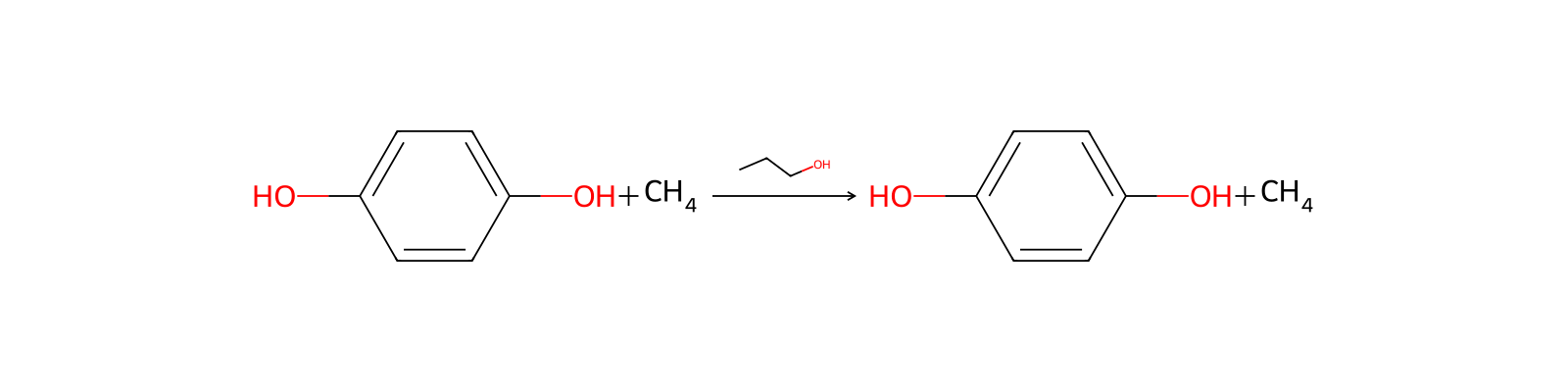
Related reactions
1,074 records
Linked notes
Loading…