Reaction equation

O[C:2]1[CH:7]=[C:6]([CH3:8])[C:5]([N+:9]([O-:11])=[O:10])=[CH:4][N:3]=1.P(Br)(Br)([Br:14])=O>ClC(Cl)C>[Br:14][C:2]1[CH:7]=[C:6]([CH3:8])[C:5]([N+:9]([O-:11])=[O:10])=[CH:4][N:3]=1Participants
4
Reactant 2
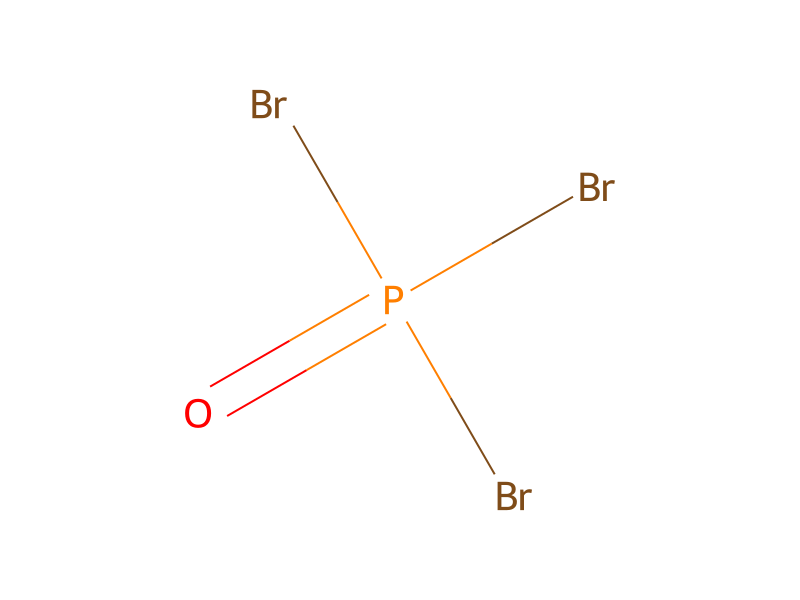

Product 1

Reagents, catalysts & solvents 1

Procedure
To a suspension of 2-hydroxy-4-methyl-5-nitropyridine (1 g, 6.5 mmol) in dichloroethane (10 mL) was added a solution of phosphorus oxybromide (2.8 g, 9.7 mmol) in dichloroethane (10 mL). The reaction mixture was heated under reflux for 4 h, then cooled to rt and quenched with water (40 mL). The layers were separated and the aqueous layer extracted into dichloromethane (2×30 mL). The combined organics were dried (MgSO4), concentrated in vacuo and chromatographed on silica gel eluting with dichloromethane to give the title compound as a pale yellow solid. δH (CDCl3): 2.63 (3H, s), 7.52 (1H, s), 8.96 (1H, s).
Workup
- temperatureThe reaction mixture was heated
- temperatureunder reflux for 4 h
- customquenched with water (40 mL)
- customThe layers were separated
- extractionthe aqueous layer extracted into dichloromethane (2×30 mL)
- dry with materialThe combined organics were dried (MgSO4)
- concentrationconcentrated in vacuo
- customchromatographed on silica gel eluting with dichloromethane
Sources & evidence
- ORD record
- ord-86a7033c8e89489a8c9e71b71ad6df9a
- Source dataset
- uspto-grants-2012_04
- Patent number
- US08158622B2
Linked notes
Loading…