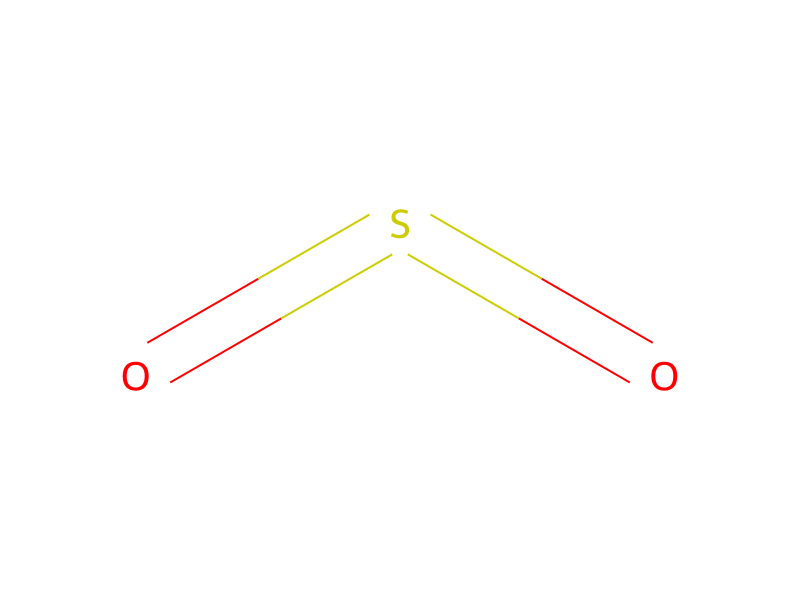
A reaction flask was charged with 100 cubic centimeters (cc) of chloroform, 45.4 grams (g) (0.26 mole) of N,N-dimethyl-N'-carboethoxymethylurea, and 9.0 g (0.3 mole) of paraformaldehyde. While the mixture was stirred continuously at room temperature, 35.4 g (21.4 cc, 0.3 mole) of thionyl chloride in a concentrated chloroform solution was added dropwise. A rise in temperature to 34° C. was observed. Hydrogen chloride and sulfur dioxide gases evolving from the reaction mixture were trapped in a caustic solution. The product was isolated by evaporation of the solvent, to provide 53.4 g, representing essentially full conversion. The structure as shown above was confirmed by proton resonance and mass spectrometry. The refractive index of the product was nD30 =1.4782.