1-Chlorobutane-2,3-dione → 2,5-Dimethyl-4-propionylthiazole
HRID 1704178
Reaction equation

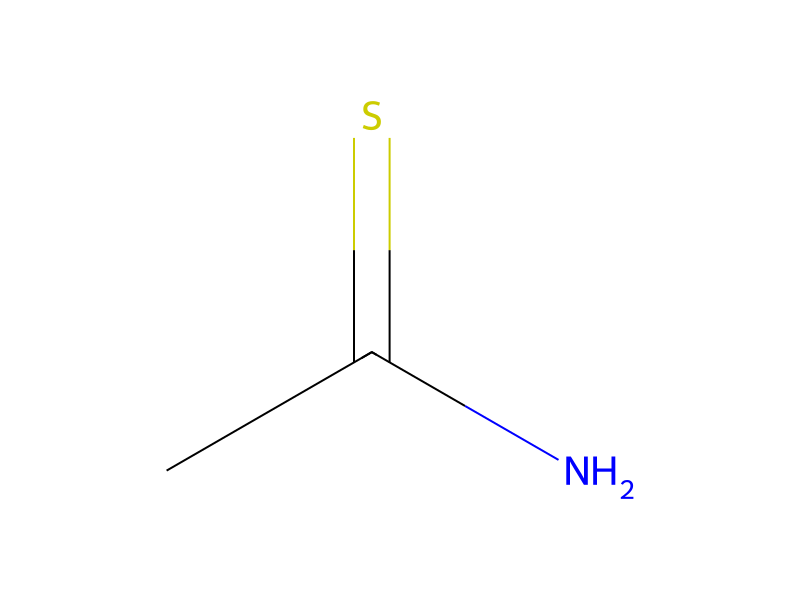
ClCC(=O)C(=O)C.C(N)=S.Br[CH:12]([C:14](=O)[C:15](=[O:18])[CH2:16][CH3:17])[CH3:13].[C:20]([NH2:23])(=[S:22])[CH3:21]>>[CH3:21][C:20]1[S:22][C:12]([CH3:13])=[C:14]([C:15](=[O:18])[CH2:16][CH3:17])[N:23]=1Participants
5



Procedure
It will be appreciated that reaction of 1-chloro-2,3-butanedione with thioformamide will lead to 4-acetylthiazoles, similarly, reaction of 2-bromo-3,4hexanedione with thioacetamide will yield 2,5-dimethyl-4-propionylthiazole.
Sources & evidence
- ORD record
- ord-0326eb9d1c8243118be4d70cdd70e040
- Source dataset
- uspto-grants-1978_11
- Patent number
- USRE029843