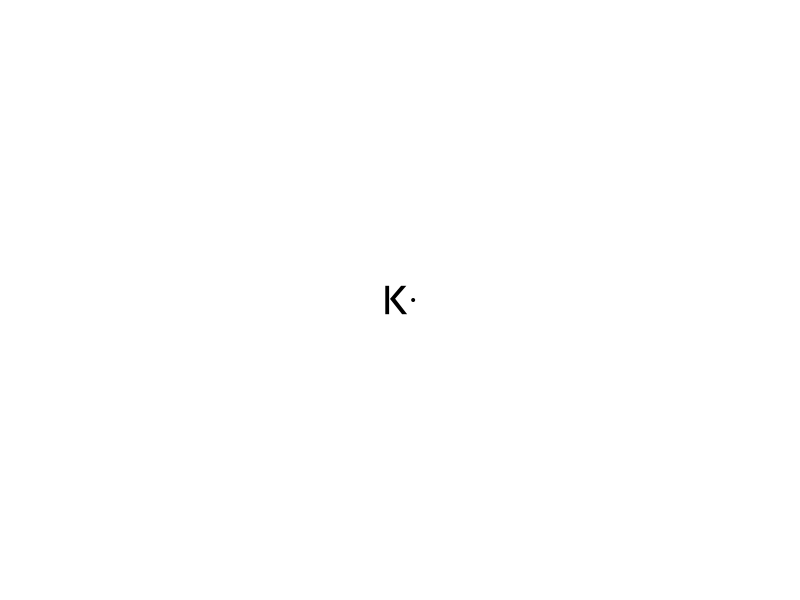
Br[CH2:2][CH:3]([O:13][CH:14]1[CH2:19][CH2:18][CH2:17][CH2:16][O:15]1)[CH2:4][P:5](=[O:12])([O:9][CH2:10][CH3:11])[O:6][CH2:7][CH3:8].[K].[CH2:21]([O:23][C:24]([O:26][NH:27][C:28](=[O:32])[O:29][CH2:30][CH3:31])=[O:25])[CH3:22]>CN(C)C=O>[CH2:30]([O:29][C:28]([N:27]([CH2:2][CH:3]([O:13][CH:14]1[CH2:19][CH2:18][CH2:17][CH2:16][O:15]1)[CH2:4][P:5](=[O:12])([O:9][CH2:10][CH3:11])[O:6][CH2:7][CH3:8])[O:26][C:24]([O:23][CH2:21][CH3:22])=[O:25])=[O:32])[CH3:31]To a solution of diethyl 3-bromo-2-(tetrahydro-2H-pyran-2-yloxy)propylphosphonate (134.4 g.) in N,N-dimethylformamide (880 ml.) was added potassium salt of ethyl N-ethoxycarbonyloxycarbamate (88.45 g.) under ice-cooling, and the mixture was stirred at ambient temperature for half an hour, and then for additional 2.4 hours at 50° to 60° C. The solvent was distilled off under reduced pressure. The residue was dissolved in water (1300 ml.) and then extracted twice with ethyl acetate (1000 ml. and 800 ml.). The combined extracts were washed twice with a saturated aqueous sodium chloride solution (500 ml. and 300 ml.), dried over magnesium sulfate and evaporated to dryness under reduced pressure to give an oily residue (143.2 g.), which was subjected to column chromatography on silica gel (700 g.) and fractionated by elution with a mixture of chloroform and ethyl acetate (the ratio was gradually changed from 9:1 to 1:1 v/v respectively) and then ethyl acetate. The fractions containing an object compound were combined and evaporated to dryness under reduced pressure to give oily diethyl 3-(N-ethoxycarbonyl-N-ethoxycarbonyloxyamino)-2-(tetrahydro-2H-pyran-2-yloxy)propylphosphonate (62.6 g.).