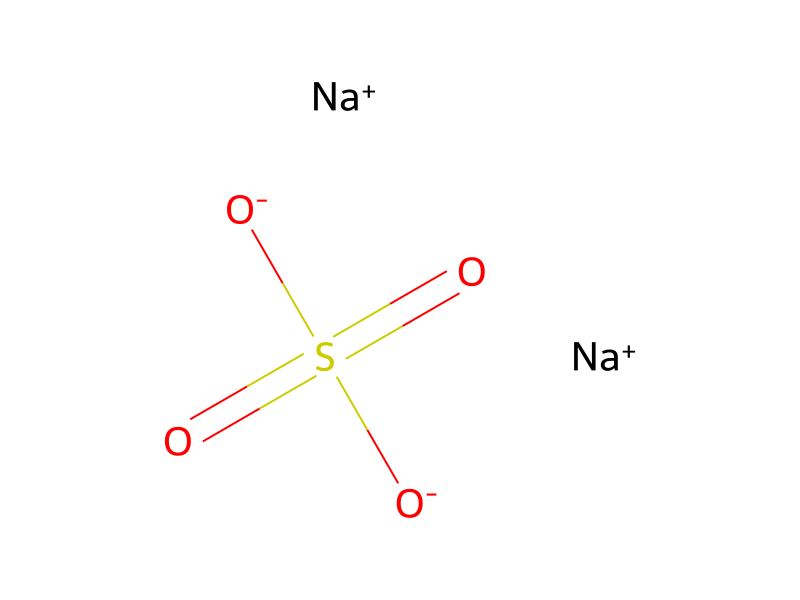
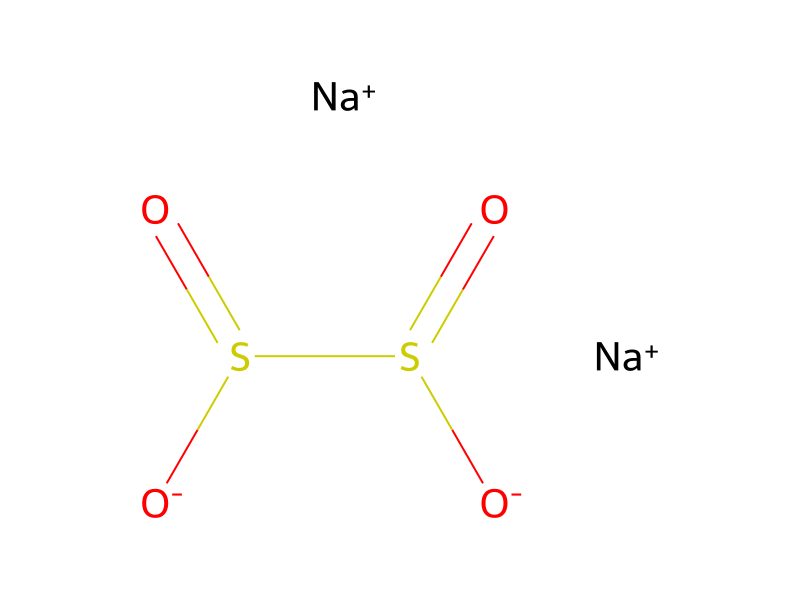
4-methoxycatechol was prepared by the method described in Organic Synthesis, Collective Volume 3, page 759: 60.8 g of 4-methoxysalicylaldehyde was added to a stirred solution of 16 g of sodium hydroxide in 200 ml of water. Under nitrogen gas, a solution of 60 g of 30% hydrogen peroxide in water dissolved in 200 ml of water was added drop-by-drop to the resulting solution, held at 35°-40° C. Then sodium sulfate (and a small amount of sodium hydrosulfite to decolorize the mixture) was added until the mixture was saturated. The mixture was extracted with methylene chloride. The resulting residue was extracted with ether. The ether extract was dried (Na2SO4, Na2S2O4) and the solvent was evaporated under reduced pressure, to give crude 4-methoxycatechol (10A).