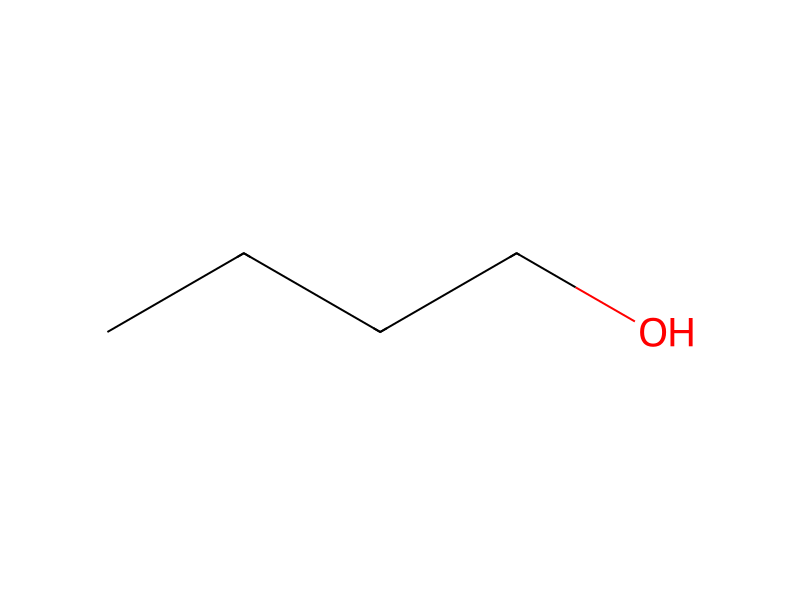
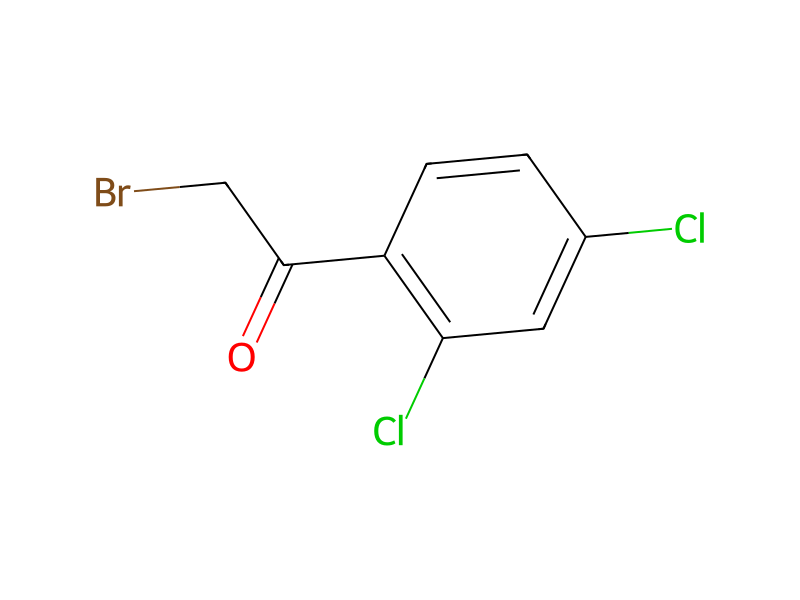
[Br:1][CH2:2][C:3]([C:5]1[CH:10]=[CH:9][C:8]([Cl:11])=[CH:7][C:6]=1[Cl:12])=[O:4].[C:13]1([S:19][CH2:20][CH:21]([OH:24])[CH2:22]O)[CH:18]=[CH:17][CH:16]=[CH:15][CH:14]=1.CC1C=CC(S(O)(=O)=O)=CC=1.C(O)CCC>O.C1C=CC=CC=1>[Br:1][CH2:2][C:3]1([C:5]2[CH:10]=[CH:9][C:8]([Cl:11])=[CH:7][C:6]=2[Cl:12])[O:24][CH:21]([CH2:20][S:19][C:13]2[CH:18]=[CH:17][CH:16]=[CH:15][CH:14]=2)[CH2:22][O:4]1A mixture of 13.6 parts of 2-bromo-1-(2,4-dichlorophenyl)-1-ethanone, 11.1 parts of 3-(phenylthio)-1,2-propanediol, 3 parts of 4-methylbenzenesulfonic acid, 80 parts of butanol and 180 parts of benzene is stirred and refluxed for 24 hours with water-separator. The reaction mixture is evaporated and the residue is dissolved in trichloromethane. The solution is stirred with silica gel for 30 minutes. The latter is filtered off and the filtrate is evaporated, yielding A+B 2-(bromomethyl)-2-(2,4-dichlorophenyl)-4-(phenylthiomethyl)-1,3-dioxolane as a residue.