Reaction equation

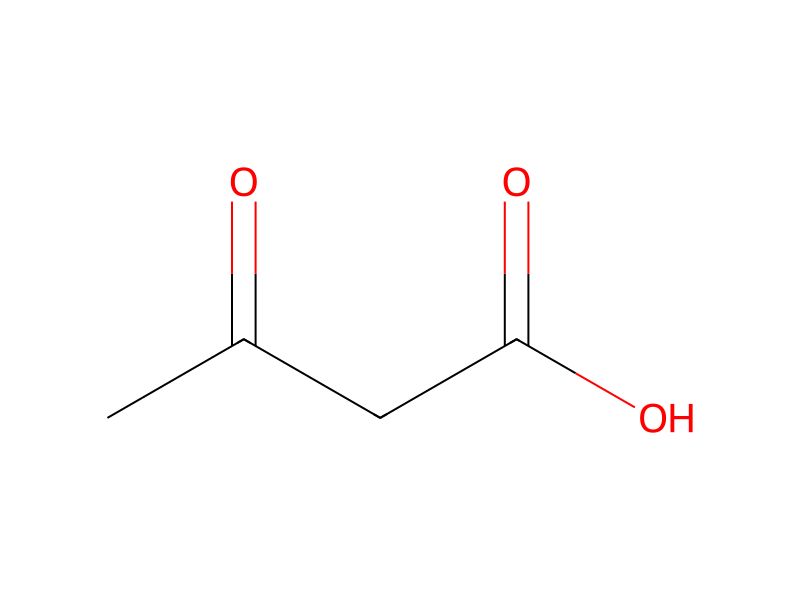
[NH2:1][C:2]1[C:7]2[C:8]([C:11]3[CH:16]=[CH:15][C:14]([NH:17][C:18](=[O:24])[O:19]C(C)(C)C)=[C:13]([O:25][CH3:26])[CH:12]=3)=[CH:9][S:10][C:6]=2[C:5](/[CH:27]=[CH:28]/[CH2:29][N:30]([CH2:33][CH3:34])[CH2:31][CH3:32])=[CH:4][N:3]=1.[CH3:35][C:36]([CH3:38])=[O:37]>Cl>[NH2:17][C:14]1[CH:15]=[CH:16][C:11]([C:8]2[C:7]3[C:2]([NH2:1])=[N:3][CH:4]=[C:5](/[CH:27]=[CH:28]/[CH2:29][N:30]([CH2:33][CH3:34])[CH2:31][CH3:32])[C:6]=3[S:10][CH:9]=2)=[CH:12][C:13]=1[O:25][CH3:26].[CH3:35][C:36]([CH2:38][C:18]([OH:24])=[O:19])=[O:37]Participants
5
Reactant 2


Product 2

Reagents, catalysts & solvents 1

Procedure
A mixture of Example 365B (425 mg, 0.88 mmol) in acetone (10 mL) and 6N aqueous hydrochloric acid (2 mL) was stirred for 18 hours at ambient temperature then concentrated under reduced pressure. The residue was then purified by preparative reverse phase HPLC to provide the desired product as the diacetate salt. 1H NMR (DMSO-d6, 400 MHz) δ 7.89 (s, 1H), 7.39 (s, 1H), 6.82 (s, 1H), 6.73 (s, 2H), 6.20 (m, 1H), 5.65 (br s, 2H), 3.78 (s, 3H), 3.30 (d, 2H), 2.56 (q, 4H), 1.88 (s, 6H), 1.01 (t, 6H); MS m/e 383.4 (M+H)+.
Workup
- concentrationthen concentrated under reduced pressure
- customThe residue was then purified by preparative reverse phase HPLC
Sources & evidence
- ORD record
- ord-367b7d43e9bc41959719091afb7378aa
- Source dataset
- uspto-grants-2010_06
- Patent number
- US07737160B2
Linked notes
Loading…