HomeMCPWorkbenchSkills
HomeWorkbenchNotificationsMe
llms.txt · MCP GuidePrivacy Policy · Terms of Service · Supportv1.8.3
  1. Home
  2. /Reaction

Water → 2,6,7-trichloroquinoxalin-3(4H)-one

HRID 1720007
Print

Reaction equation

HRID 1720007 reaction equation
[Cl:1][C:2]1[CH:3]=[C:4]2[C:9](=[CH:10][C:11]=1[Cl:12])[NH:8][C:7](=O)[C:6](=[O:14])[NH:5]2.C(Cl)([Cl:17])=O.C1(C)C=CC=CC=1.O>CN(C)C=O>[Cl:17][C:7]1[C:6](=[O:14])[NH:5][C:4]2[C:9](=[CH:10][C:11]([Cl:12])=[C:2]([Cl:1])[CH:3]=2)[N:8]=1
ParticipantsProcedureSources & evidenceReaction notes

Participants

6

Reactant 4

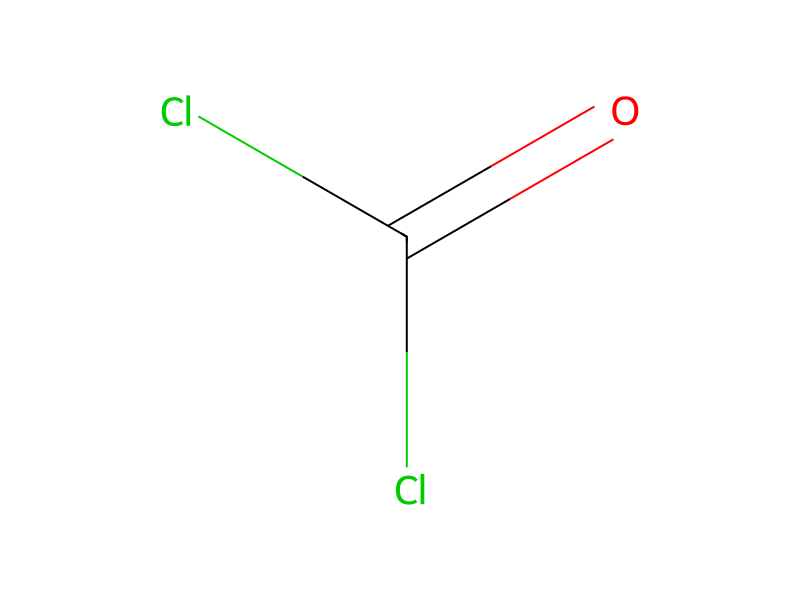
HCID 962WaterHCID 1140TolueneHCID 18452,3-Dihydroxy-6,7-dichloroquinoxalineHCID 6371Phosgene

Product 1

HCID 224198022,6,7-trichloroquinoxalin-3(4H)-one

Reagents, catalysts & solvents 1

HCID 6228DimethylformamideSolvent
On this pageParticipantsProcedureSources & evidenceReaction notes

Procedure

To a solution of 2.5 g (~10.8 mmol) 6,7-dichloro-quinoxaline-2,3(1H,4H)-dione in 100 ml of dry N,N-dimethylformamide was added at 0° C. 8.5 ml of 1.93 M phosgene in toluene (~16.3 mmol). Stirring was continued at 24° C. for 20 h. Addition of 100 ml H2O gave a precipitate (2.4 g). Purification by column chromatography (silica gel) by using ethyl acetate as eluent gave the title compound (1.5 g; 56%), m.p. >300° C.

Sources & evidence

ORD record
ord-3e7e399196164247b7e0d57a5828bc0c
Source dataset
uspto-grants-1996_04
DOI
10.6084/m9.figshare.5104873.v1
Patent number
US05504085

Reaction notes