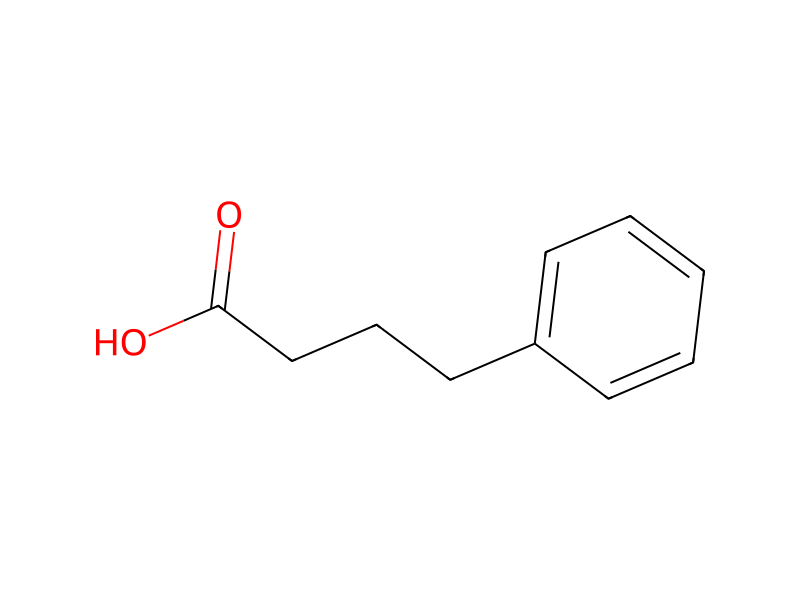
4-Phenylbutyric Acid → HCID 54035213, compound
Reaction equation

CN1CCOCC1.[C:8]1([CH2:14][CH2:15][CH2:16][C:17]([OH:19])=O)[CH:13]=[CH:12][CH:11]=[CH:10][CH:9]=1.Cl.[CH2:21]([O:28][C:29](=[O:35])[C@@H:30]1[CH2:34][CH2:33][CH2:32][NH:31]1)[C:22]1[CH:27]=[CH:26][CH:25]=[CH:24][CH:23]=1.C1CCC(N=C=NC2CCCCC2)CC1>ClCCl>[CH2:21]([O:28][C:29](=[O:35])[C@@H:30]1[CH2:34][CH2:33][CH2:32][N:31]1[C:17](=[O:19])[CH2:16][CH2:15][CH2:14][C:8]1[CH:9]=[CH:10][CH:11]=[CH:12][CH:13]=1)[C:22]1[CH:23]=[CH:24][CH:25]=[CH:26][CH:27]=1Participants
6
Reactant 4



Product 1

Reagents, catalysts & solvents 1
