Anisole → 3-Cyano-4'-methoxybenzophenone
HRID 1721915
Reaction equation

[C:1]([C:3]1[CH:4]=[C:5]([CH:9]=[CH:10][CH:11]=1)[C:6](Cl)=[O:7])#[N:2].[Cl-].[Al+3].[Cl-].[Cl-].[C:16]1([O:22][CH3:23])[CH:21]=[CH:20][CH:19]=[CH:18][CH:17]=1>C(Cl)Cl>[C:1]([C:3]1[CH:4]=[C:5]([CH:9]=[CH:10][CH:11]=1)[C:6]([C:19]1[CH:20]=[CH:21][C:16]([O:22][CH3:23])=[CH:17][CH:18]=1)=[O:7])#[N:2]Participants
5
Reactant 3
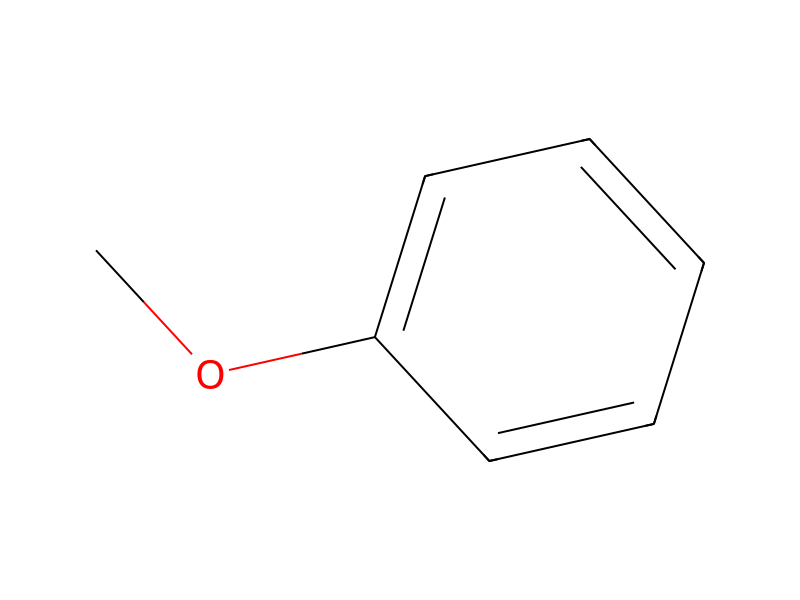


Product 1

Reagents, catalysts & solvents 1

Procedure
Under a nitrogen atmosphere, 16.5 g. of 3-cyanobenzoyl chloride were added to 80 ml. of methylene chloride. The temperature was brought to approximately 0° C. by means of an external ice bath and kept cold while 20 g. of aluminum chloride were added in portions. A solution of 10.8 g. of anisole in 20 ml. of methylene chloride were added to the reaction solution. The mixture was allowed to warm to room temperature and stirred overnight. The mixture was poured into a mixture of ice water/hydrochloric acid and extracted with ethyl acetate. The layers were separated and the organic layer was washed with water, dried, and concentrated in vacuo. The residue was crystallized from toluene/hexane to which a small amount ethyl acetate had been added to provide 7.7 g. of the desired subtitle intermediate, m.p. 85°-88° C.