Reaction equation

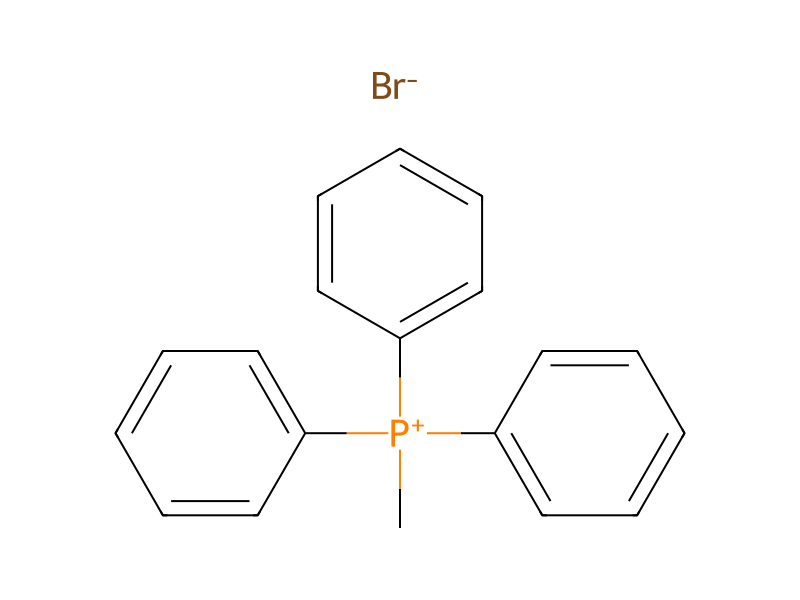
Cl[C:2]1[C:11]2[C:6](=[CH:7][CH:8]=[C:9]([O:12][CH3:13])[CH:10]=2)[N:5]=[CH:4][CH:3]=1.[CH2:14]([Li])CCC.[C:19]([N:22]1[CH2:27][CH2:26][CH:25]([CH2:28][CH:29]=O)[CH2:24][CH2:23]1)(=[O:21])[CH3:20]>[Br-].C[P+](C1C=CC=CC=1)(C1C=CC=CC=1)C1C=CC=CC=1>[C:19]([N:22]1[CH2:27][CH2:26][CH:25]([CH2:28][CH:29]=[CH:14][C:2]2[C:11]3[C:6](=[CH:7][CH:8]=[C:9]([O:12][CH3:13])[CH:10]=3)[N:5]=[CH:4][CH:3]=2)[CH2:24][CH2:23]1)(=[O:21])[CH3:20]Participants
5




Procedure
Following the procedure of Example 3, 4-chloro-6-methoxyquinoline was reacted with the reaction product of methyl triphenylphosphonium bromide and n-butyllithium. This reaction product was then reacted with N-acetyl-4-piperidine-acetaldehyde to produce 4-[3-(1-acetyl-4-piperidyl)-1-propenyl]-6-methoxyquinoline.
Sources & evidence
- ORD record
- ord-2ff92e38ff5f4dc69055f54e34cc78ba
- Source dataset
- uspto-grants-1976_11
- Patent number
- US03989691
Linked notes
Loading…