HomeMCPWorkbenchSkills
HomeWorkbenchNotificationsMe
llms.txt · MCP GuidePrivacy Policy · Terms of Service · Supportv1.8.0
  1. Home
  2. /Reaction

Hydrochloric Acid → N-ethyl-6-methoxy-1,2,3,4-tetrahydro-2-naphthylamine hydrochloride

HRID 1732985
Notes
Print preview

Reaction equation

HRID 1732985 reaction equation
[CH3:1][O:2][C:3]1[CH:4]=[C:5]2[C:10](=[CH:11][CH:12]=1)[CH2:9][C:8](=O)[CH2:7][CH2:6]2.[CH2:14]([NH2:16])[CH3:15].C(O)C.C(O)C.[H][H].[ClH:25]>[Pt]=O>[ClH:25].[CH2:14]([NH:16][CH:8]1[CH2:7][CH2:6][C:5]2[C:10](=[CH:11][CH:12]=[C:3]([O:2][CH3:1])[CH:4]=2)[CH2:9]1)[CH3:15]
ParticipantsProcedureWorkupSources & evidenceReaction notes

Participants

7

Reactant 5

HCID 313Hydrochloric AcidHCID 702EthanolHCID 755826-Methoxy-1,2,3,4-tetrahydronaphthalen-2-oneHCID 22128961Ethanamine ethanolHCID 178418361HCID 178418361, compound

Product 1

HCID 12843079N-ethyl-6-methoxy-1,2,3,4-tetrahydro-2-naphthylamine hydrochloride

Reagents, catalysts & solvents

1
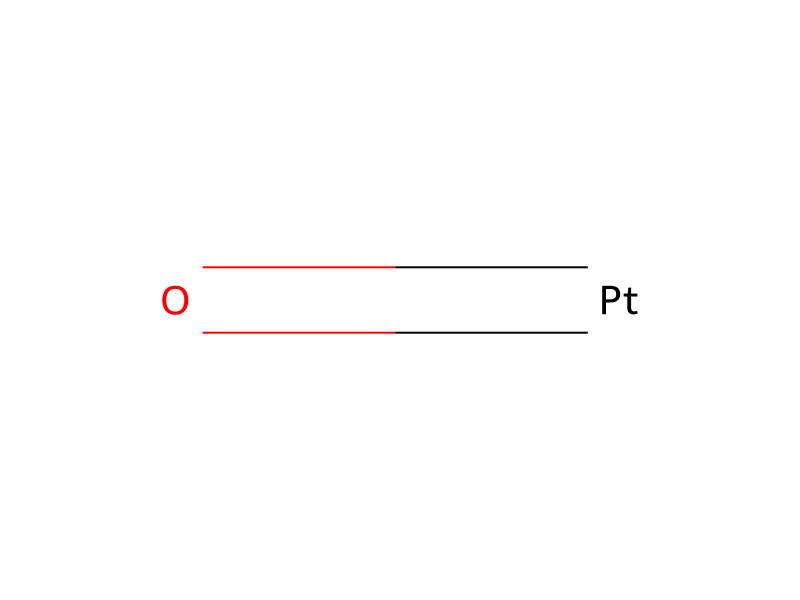
HCID 82844Platinum oxide (PtO)Catalyst

Procedure

28.0 g of 6-methoxy-2-tetralone, 200 ml of a 19% ethylamine-ethanol solution, 2.2 g of platinum oxide and 10 ml of absolute ethanol were mixed and the mixture was irradiated with infrared light in the presence of hydrogen to cause a catalytic hydrogenation to occur. After absorption of hydrogen had been completed, the platinum oxide catalyst was filtered off from the reaction solution and the filtrate was concentrated under reduced pressure, followed by extraction with chloroform. The chloroform layer obtained was washed with water, dried over anhydrous sodium sulfate, and concentrated under reduced pressure. The residue obtained was dissolved in an ethanolic solution of hydrogen chloride having a concentration of about 18% and the solution was concentrated under reduced pressure. Acetone was added to the residue obtained to cause crystallization. The crystals were collected through filtration and recrystallized from ethanol-diethyl ether to give 29.7 g of N-ethyl-6-methoxy-1,2,3,4-tetrahydro-2-naphthylamine hydrochloride as colorless crystals having a melting point of 231°-232° C.


Workup

  1. customAfter absorption of hydrogen
  2. filtrationthe platinum oxide catalyst was filtered off from the reaction solution
  3. concentrationthe filtrate was concentrated under reduced pressure
  4. extractionfollowed by extraction with chloroform
  5. customThe chloroform layer obtained
  6. washwas washed with water
  7. dry with materialdried over anhydrous sodium sulfate
  8. concentrationconcentrated under reduced pressure
  9. customThe residue obtained
  10. concentrationthe solution was concentrated under reduced pressure
  11. additionAcetone was added to the residue
  12. customobtained
  13. customcrystallization
  14. filtrationThe crystals were collected through filtration
  15. customrecrystallized from ethanol-diethyl ether

Sources & evidence

ORD record
ord-dc231deb301c40bba5fbaa817f5358dc
Source dataset
uspto-grants-1980_12
DOI
10.6084/m9.figshare.5104873.v1
Patent number
US04239903

Reaction notes

Loading…

On this pageParticipantsProcedureWorkupSources & evidenceReaction notes