HomeMCPWorkbenchSkills
HomeWorkbenchNotificationsMe
llms.txt · MCP GuidePrivacy Policy · Terms of Service · Supportv1.8.3
  1. Home
  2. /Reaction

Potassium Carbonate → 2-{2-[(Oxiran-2-yl)methoxy]phenyl}-1H-pyrrole

HRID 1733167
Print

Reaction equation

HRID 1733167 reaction equation
[OH:1][C:2]1[CH:7]=[CH:6][CH:5]=[CH:4][C:3]=1[C:8]1[NH:9][CH:10]=[CH:11][CH:12]=1.[CH2:13]([CH:15]1[O:17][CH2:16]1)Br.C(=O)([O-])[O-].[K+].[K+]>CC(C)=O>[O:17]1[CH2:16][CH:15]1[CH2:13][O:1][C:2]1[CH:7]=[CH:6][CH:5]=[CH:4][C:3]=1[C:8]1[NH:9][CH:10]=[CH:11][CH:12]=1
ParticipantsProcedureWorkupSources & evidenceReaction notes

Participants

5

Reactant 3

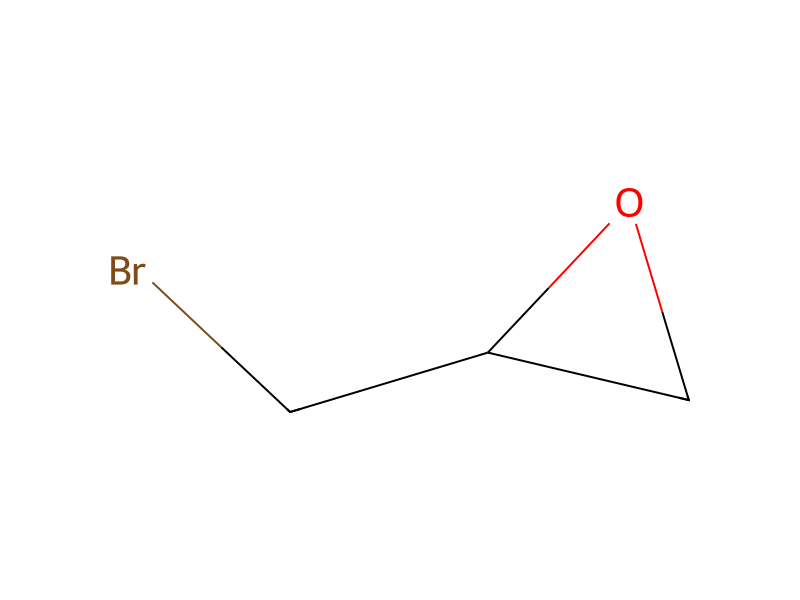
HCID 11430Potassium CarbonateHCID 18430EpibromohydrinHCID 13725072HCID 13725072, compound

Product 1

HCID 137555112-{2-[(Oxiran-2-yl)methoxy]phenyl}-1H-pyrroleYield 48.6%

Reagents, catalysts & solvents 1

HCID 180AcetoneSolvent

Procedure

7.0 g of 2-(hydroxyphenyl)-pyrrole, 7.3 g of epibromohydrin and 11.4 g of dry potassium carbonate in 50 ml of acetone are refluxed for 7 hours. After the mixture has cooled, it is filtered and the filter residue is washed with acetone. The combined filtrates and freed from solvent by distilling off the latter. The residue is twice chromatographed on silica gel, using methylene chloride as the eluant, and thereby gives 4.6 g (48% of theory) of 2-[2- (2,3-epoxypropoxy)-phenyl]-pyrrole as a colorless oil.

Workup

  1. temperatureAfter the mixture has cooled
  2. filtrationit is filtered
  3. washthe filter residue is washed with acetone
  4. distillationby distilling off the latter
  5. customThe residue is twice chromatographed on silica gel

Sources & evidence

ORD record
ord-6802701e83a64c7fb8fe347c5e969ee5
Source dataset
uspto-grants-1980_12
DOI
10.6084/m9.figshare.5104873.v1
Patent number
US04240964

Reaction notes

On this pageParticipantsProcedureWorkupSources & evidenceReaction notes