Reaction equation

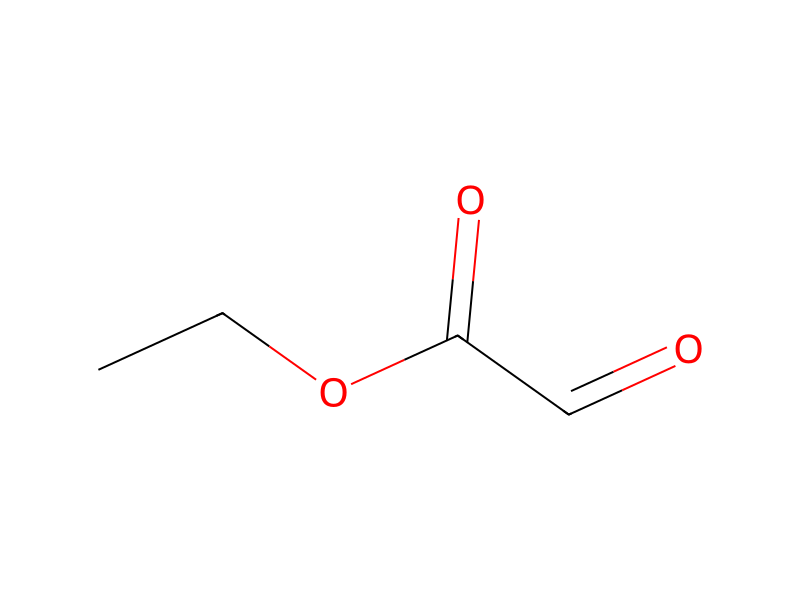
[F:1][C:2]1[CH:11]=[C:10]([F:12])[CH:9]=[C:8]2[C:3]=1[CH2:4][CH2:5][CH:6]([NH2:13])[CH2:7]2.[C:14]([O:18][CH2:19][CH3:20])(=[O:17])[CH:15]=O>C(O)C.[Pd]>[F:1][C:2]1[CH:11]=[C:10]([F:12])[CH:9]=[C:8]2[C:3]=1[CH2:4][CH2:5][CH:6]([NH:13][CH2:15][C:14]([O:18][CH2:19][CH3:20])=[O:17])[CH2:7]2Participants
5
Reactant 2

Product 1

Reagents, catalysts & solvents 2


Procedure
A mixture of 5,7-difluoro-1,2,3,4-tetrahydronaphthalen-2-ylamine (6.0 g, 32.8 mmol), prepared as in Example 8, and ethyl glyoxylate (4.6 g, 36.0 mmol) in 300 mL of ethanol was hydrogenated over 10% palladium on carbon (0.75 g) for 10 hours. The mixture was filtered and concentrated by evaporation. Purification of the residue by column chromatography on silica gel (elution: 30% ethyl acetate/hexane) gave ethyl [(5,7-difluoro-1,2,3,4-tetrahydronaphthalen-2-yl)amino]acetate (7.5 g, 27.9 mmol) as an oil.
Workup
- filtrationThe mixture was filtered
- concentrationconcentrated by evaporation
- customPurification of the residue by column chromatography on silica gel (elution: 30% ethyl acetate/hexane)
Sources & evidence
- ORD record
- ord-49ad4b2a4d8048c5bde41066338906c9
- Source dataset
- uspto-grants-1996_07
- Patent number
- US05538988
Linked notes
Loading…