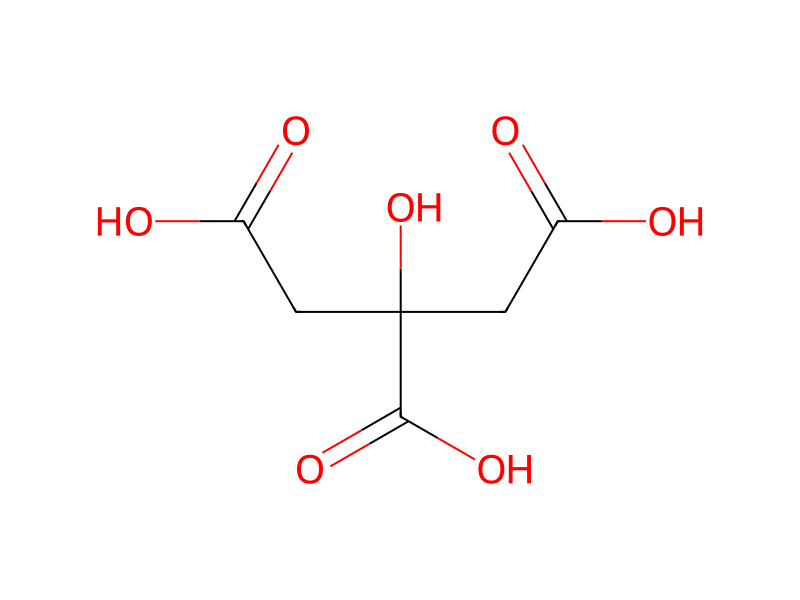
[NH2:1][C:2]1[C:9]([OH:10])=[C:8]([F:11])[C:7]([C:12]2[CH:17]=[CH:16][CH:15]=[CH:14][CH:13]=2)=[C:6]([CH3:18])[C:3]=1[C:4]#[N:5].C(N(CC)CC)C.[C:26]1([C:31](Cl)=[O:32])[CH2:30][CH2:29][CH2:28][CH:27]=1.C(O)(=O)CC(CC(O)=O)(C(O)=O)O>C(#N)C>[C:26]1([C:31]([O:10][C:9]2[C:8]([F:11])=[C:7]([C:12]3[CH:13]=[CH:14][CH:15]=[CH:16][CH:17]=3)[C:6]([CH3:18])=[C:3]([C:4]#[N:5])[C:2]=2[NH2:1])=[O:32])[CH2:30][CH2:29][CH2:28][CH:27]=1Under nitrogen atmosphere, 2-amino-5-phenyl-4-fluoro-3-hydroxy-6-methylbenzonitrile (I-41) (200 mg, 0.83 mmol) was dissolved in acetonitrile (10 ml), and cooled to 0° C. Triethylamine (195 μl, 1.4 mmol) and cyclopentenecarbonyl chloride (162 mg, 1.24 mmol) were dropwise added to the solution, followed by stirring at room temperature for 1 hour. 10% citric acid was added to the reaction liquid, and the solvent was evaporated away under reduced pressure. Ethyl acetate was added to the resulting residue, followed by washing with saturated brine. The organic layer was dried over anhydrous magnesium sulfate, and the solvent was evaporated away under reduced pressure. The resulting residue was subjected to preparative silica gel column chromatography, and the eluate with ethyl acetate/hexane (1:3, v/v) gave the entitled compound (180 mg, 77%) as a white solid.
Loading…