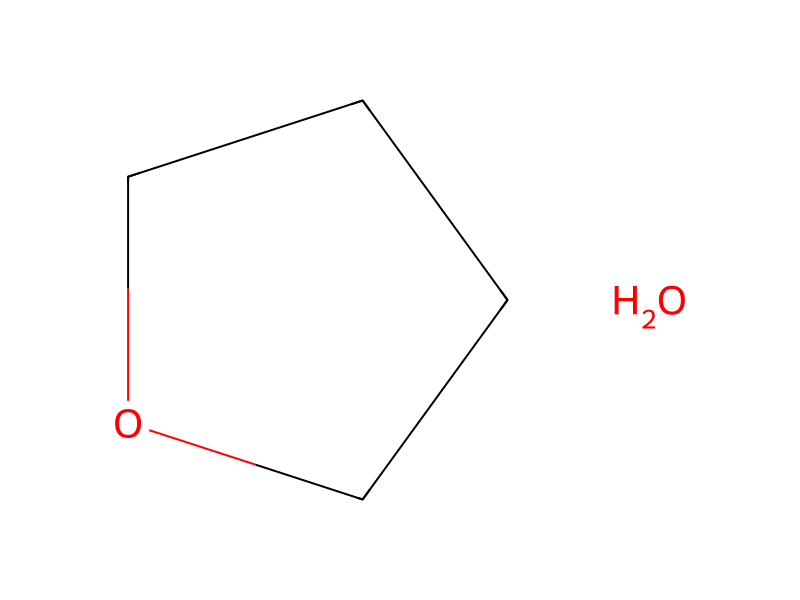
Potassium Carbonate → HCID 86685048, compound
HRID 1750778
Reaction equation

[Cl:1][C:2]1[CH:3]=[C:4](B2OC(C)(C)C(C)(C)O2)[CH:5]=[C:6]([Cl:9])[C:7]=1[CH3:8].C([O-])([O-])=O.[K+].[K+].Br[C:26]([C:28]([F:31])([F:30])[F:29])=[CH2:27]>C1COCC1.O.Cl[Pd](Cl)([P](C1C=CC=CC=1)(C1C=CC=CC=1)C1C=CC=CC=1)[P](C1C=CC=CC=1)(C1C=CC=CC=1)C1C=CC=CC=1>[Cl:9][C:6]1[CH:5]=[C:4]([C:26]([C:28]([F:31])([F:30])[F:29])=[CH2:27])[CH:3]=[C:2]([Cl:1])[C:7]=1[CH3:8]Participants
6