HomeMCPWorkbenchSkills
HomeWorkbenchNotificationsMe
llms.txt · MCP GuidePrivacy Policy · Terms of Service · Supportv1.8.3
  1. Home
  2. /Reaction

4-Methylbenzaldehyde → 6-Methylisoquinoline

HRID 1750863
Print

Reaction equation

HRID 1750863 reaction equation
[C:1]1([CH3:9])[CH:6]=[CH:5][C:4]([CH:7]=O)=[CH:3][CH:2]=1.CO[CH:12](OC)[CH2:13][NH2:14].ClC(OCC)=O.C(OP(OCC)OCC)C>[Ti](Cl)(Cl)(Cl)Cl.C(Cl)(Cl)Cl>[CH3:9][C:1]1[CH:6]=[C:5]2[C:4](=[CH:3][CH:2]=1)[CH:7]=[N:14][CH:13]=[CH:12]2
ParticipantsConditionsProcedureWorkupSources & evidenceReaction notes

Participants

7

Reactant 4

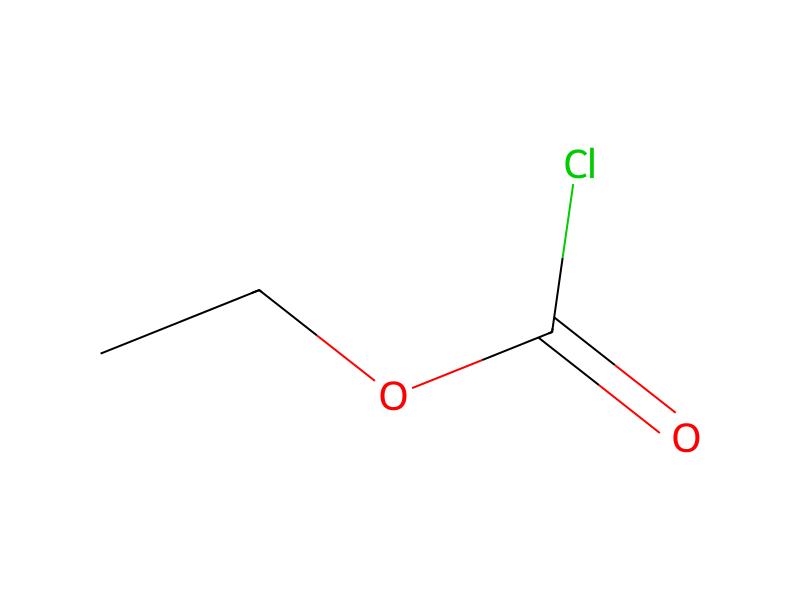
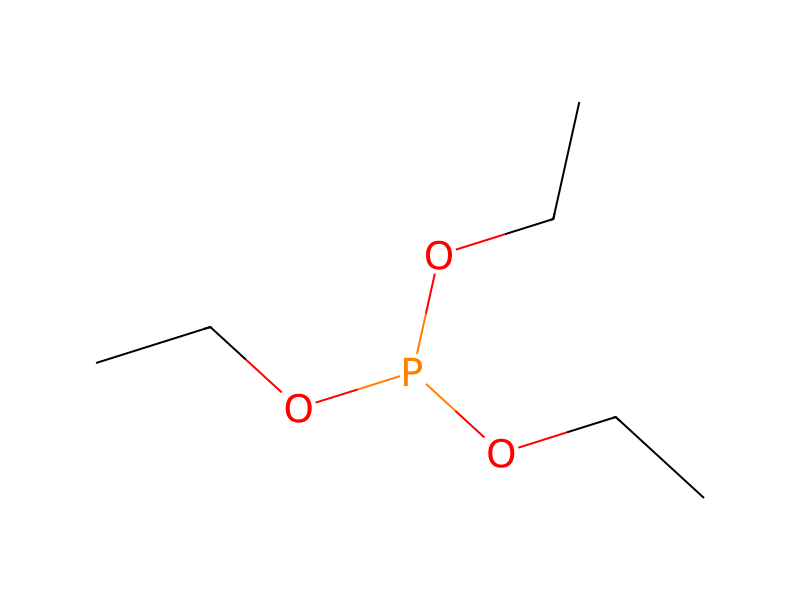
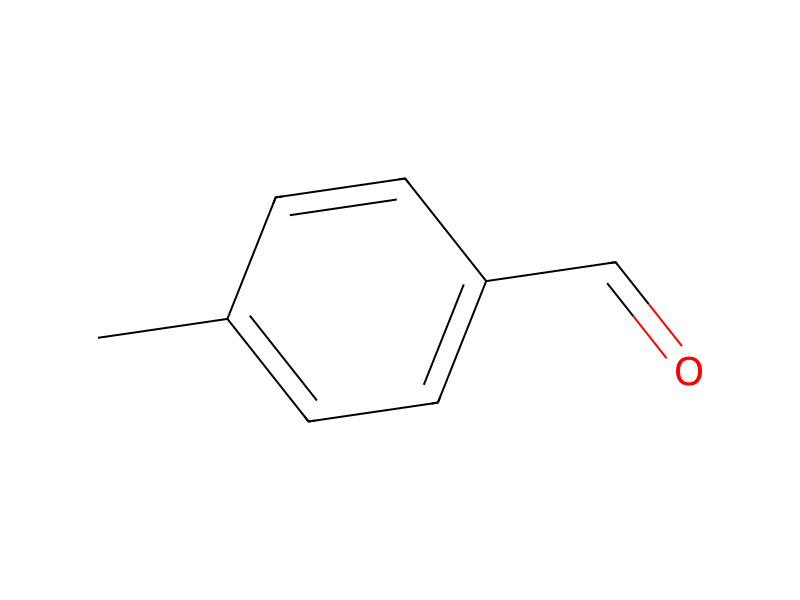
HCID 77254-MethylbenzaldehydeHCID 10928Ethyl chloroformateHCID 31215Triethyl phosphiteHCID 89728Aminoacetaldehyde dimethyl acetal

Product 1

HCID 6409596-MethylisoquinolineYield 66.5%

Reagents, catalysts & solvents 2

HCID 24193
Titanium Tetrachloride
Catalyst
HCID 6212ChloroformSolvent

Conditions

Temperature
90 °C

Procedure

Para-tolualdehyde (53 mL, 0.486 mol) was stirred in a solvent of chloroform (900 mL). Aminoacetaldehyde dimethyl acetal (59.3 mL, 0.486 mol) was slowly added thereto, followed by stirring at 90° C. until about one-half of the reaction solution was evaporated. The reaction solution was cooled to room temperature, and the resulting yellow reaction solution was dissolved in chloroform (400 mL), followed by cooling the solution to 0° C. or below. Ethyl chloroformate (48 mL, 0.486 mol) and triethylphosphite (104 mL, 0.583 mol) were slowly added to the reaction solution. The reaction solution was stirred for 24 hours at room temperature. The reaction solution was cooled to 0° C. or below, slowly added with titanium tetrachloride (213.6 mL, 1.94 mol), and refluxed for 12 hours or more. The reaction solution was cooled to room temperature, and stirred for 12 hours or more. The reaction mixture was poured to an ice water to separate the organic layer and the aqueous layer, and the aqueous layer was washed with dichloromethane. A saturated sodium tartrate solution was added to the aqueous layer, adjusted to pH 9 by adding ammonia water, and subjected to extraction with dichloromethane. The obtained organic layer was dried over anhydrous sodium sulfate, and concentrated under reduced pressure to obtain the title compound (46.3 g, 66%).

Workup

  1. customwas evaporated
  2. temperatureThe reaction solution was cooled to room temperature
  3. dissolutionthe resulting yellow reaction solution was dissolved in chloroform (400 mL)
  4. temperatureby cooling the solution to 0° C. or below
  5. stirringThe reaction solution was stirred for 24 hours at room temperature
  6. temperatureThe reaction solution was cooled to 0° C. or below
  7. temperaturerefluxed for 12 hours or more
  8. temperatureThe reaction solution was cooled to room temperature
  9. stirringstirred for 12 hours or more
  10. customto separate the organic layer
  11. washthe aqueous layer, and the aqueous layer was washed with dichloromethane
  12. additionA saturated sodium tartrate solution was added to the aqueous layer
  13. additionby adding ammonia water
  14. extractionsubjected to extraction with dichloromethane
  15. dry with materialThe obtained organic layer was dried over anhydrous sodium sulfate
  16. concentrationconcentrated under reduced pressure

Sources & evidence

ORD record
ord-a587ded8c4e244a19f990846c470ec47
Source dataset
uspto-grants-2015_10
DOI
10.6084/m9.figshare.5104873.v1
Patent number
US09156852B2

Reaction notes

On this pageParticipantsConditionsProcedureWorkupSources & evidenceReaction notes