HomeMCPWorkbenchSkills
HomeWorkbenchNotificationsMe
llms.txt · MCP GuidePrivacy Policy · Terms of Service · Supportv1.8.0
  1. Home
  2. /Reaction

Potassium Carbonate → HCID 13023013, compound

HRID 1759361
Notes
Print preview

Reaction equation

HRID 1759361 reaction equation
[Cl:1][C:2]1[N:3]=[N:4][C:5]([C:8]2[CH:13]=[CH:12][CH:11]=[CH:10][C:9]=2[OH:14])=[CH:6][CH:7]=1.[CH2:15]([CH:17]1[O:19][CH2:18]1)Br.C(=O)([O-])[O-].[K+].[K+]>CC(=O)CC>[Cl:1][C:2]1[N:3]=[N:4][C:5]([C:8]2[CH:13]=[CH:12][CH:11]=[CH:10][C:9]=2[O:14][CH2:15][CH:17]2[O:19][CH2:18]2)=[CH:6][CH:7]=1
ParticipantsProcedureWorkupSources & evidenceReaction notes

Participants

5

Reactant 3

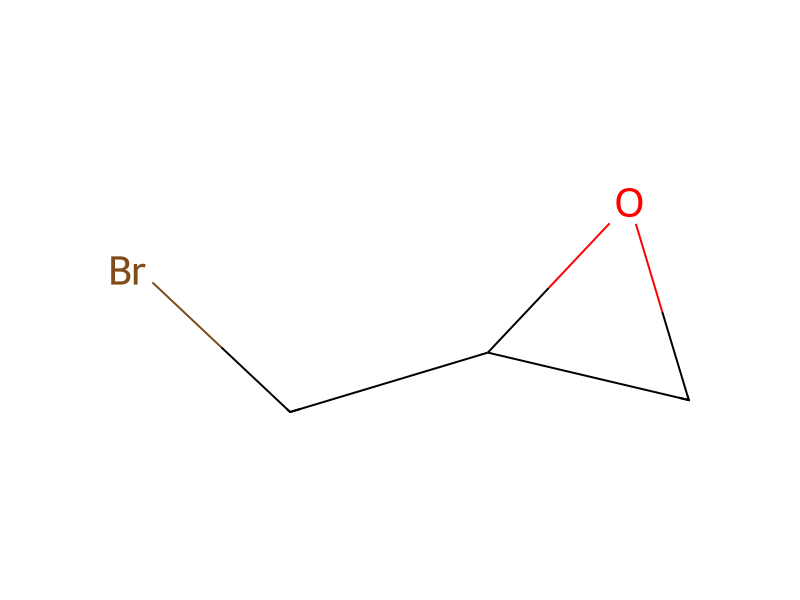
HCID 11430Potassium CarbonateHCID 18430EpibromohydrinHCID 30187332-(6-Chloro-3-pyridazinyl)phenol

Product 1

HCID 13023013HCID 13023013, compound

Reagents, catalysts & solvents 1

HCID 6569Methyl Ethyl KetoneSolvent

Procedure

A mixture of 3-chloro-6-(2-hydroxyphenyl)pyridazine (2.69 g.), epibromohydrin (4.5 ml.), anhydrous potassium carbonate (3.6 g.) and dry butane-2-one (100 ml.) was stirred and heated under reflux for 16 hours. The mixture was filtered and the filtrate was evaporated to dryness and the residue was twice recrystallized from ethanol to give 3-chloro-6-(2-epoxypropoxyphenyl)pyridazine, m.p. 118°-119°.

Workup

  1. temperatureheated
  2. temperatureunder reflux for 16 hours
  3. filtrationThe mixture was filtered
  4. customthe filtrate was evaporated to dryness
  5. customthe residue was twice recrystallized from ethanol

Sources & evidence

ORD record
ord-c7673871e70141e88e1fed2644ed4017
Source dataset
uspto-grants-1982_07
DOI
10.6084/m9.figshare.5104873.v1
Patent number
US04340733

Reaction notes

Loading…

On this pageParticipantsProcedureWorkupSources & evidenceReaction notes